

Hey there! As a supplier of injection molding barrels, I often get asked about various technical aspects of these components. One question that pops up quite frequently is, "What is the flight depth of an injection molding barrel screw?" Today, I'm gonna break it down for you in a way that's easy to understand.
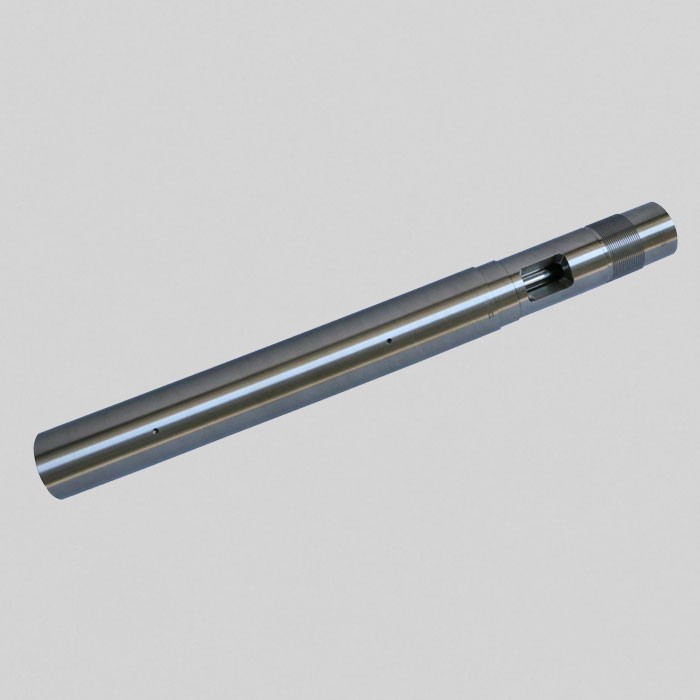
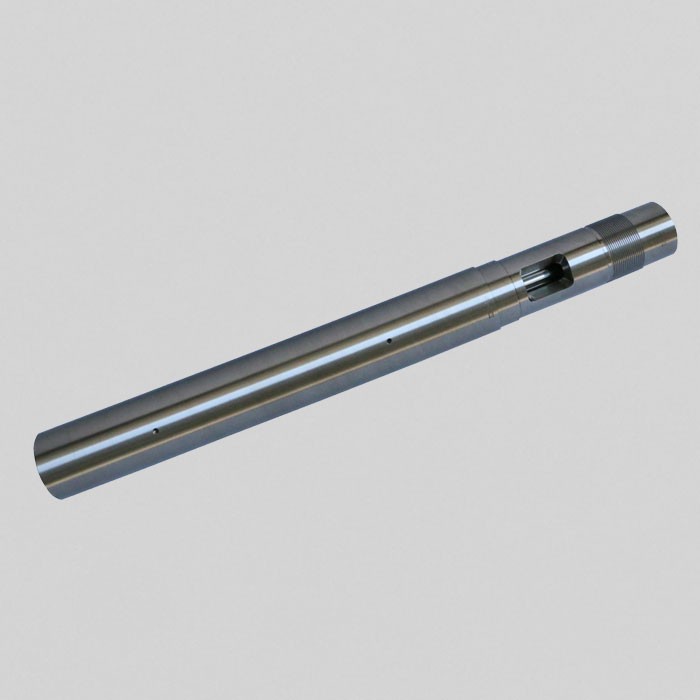
First off, let's talk about what an injection molding barrel screw is. It's a crucial part of the injection molding machine. The screw rotates inside the barrel, and its main job is to convey, melt, and mix the plastic material before injecting it into the mold. The flight of the screw refers to the helical ridge that runs around the screw shaft. And the flight depth is the distance from the top of the flight to the root of the screw.
The flight depth plays a super important role in the injection molding process. It affects how well the plastic is melted, mixed, and conveyed. If the flight depth is too deep, the plastic might not get enough shear force, which means it won't melt and mix properly. On the other hand, if the flight depth is too shallow, there might be too much shear force, which can cause the plastic to overheat and degrade.
There are different types of injection molding barrel screws, and each might have a different optimal flight depth. For example, a general - purpose screw might have a relatively uniform flight depth throughout its length. But for more specialized applications, like processing high - viscosity plastics or materials that require precise mixing, the flight depth might vary along the screw.
Let's take a closer look at how the flight depth impacts different stages of the injection molding process.
Conveying Stage
In the conveying stage, the screw is responsible for moving the solid plastic pellets from the hopper towards the front of the barrel. A deeper flight depth at this stage can help in smoothly transporting a large volume of plastic pellets. The plastic pellets are pushed forward by the rotation of the screw, and a deeper flight provides more space for the pellets to move. This is especially important when dealing with large - sized pellets or when high - volume feeding is required.
Melting Stage
As the plastic moves further down the barrel, it starts to melt due to the heat from the barrel heaters and the shear force generated by the screw rotation. During the melting stage, the flight depth gradually decreases. This reduction in flight depth increases the shear force acting on the plastic. The shear force helps in breaking down the solid plastic and converting it into a molten state. The decreasing flight depth also compresses the plastic, which further aids in the melting process.
Mixing Stage
Once the plastic is mostly melted, the screw needs to ensure that it is well - mixed. A carefully designed flight depth can enhance the mixing efficiency. Some screws have special mixing sections where the flight depth and geometry are optimized to create a turbulent flow of the molten plastic. This turbulent flow helps in evenly distributing additives, colorants, and any other components in the plastic.
Now, let's talk about how to choose the right flight depth for your injection molding application. It depends on several factors:
Plastic Material
Different plastics have different melting points, viscosities, and flow characteristics. For example, polypropylene has a relatively low viscosity compared to polycarbonate. A screw for polypropylene might have a different flight depth profile than one for polycarbonate. Generally, lower - viscosity plastics can tolerate a slightly deeper flight depth as they flow more easily, while high - viscosity plastics require a shallower flight depth to generate enough shear force for proper melting and mixing.
Part Geometry
The shape and size of the part you're molding also matter. If you're molding a thin - walled part, you might need a screw with a more precise melting and mixing ability, which could mean a more carefully tuned flight depth. For thick - walled parts, the requirements for melting and mixing might be a bit less strict, but the screw still needs to be able to convey and inject a large volume of plastic.
Production Volume
If you're running a high - volume production line, you need a screw that can handle a large amount of plastic quickly. A screw with a deeper flight depth in the conveying section might be more suitable in this case to ensure a high - speed feeding of the plastic.
As a supplier of injection molding barrels, we offer a wide range of products to meet different customer needs. You can check out our Injection Screw Barrel page to see some of our high - quality screw barrels. We also have Nitrided Steel Barrel for Injection Molding Machine, which are known for their durability and performance. And if you want to learn more about the general concept of Barrel in Injection Moulding, that link will give you some useful information.
If you're in the market for injection molding barrels and have questions about the flight depth or any other aspect of our products, don't hesitate to reach out. We're here to help you find the best solution for your injection molding needs. Whether you're a small - scale manufacturer or a large - scale production facility, we can provide the right injection molding barrel screw with the optimal flight depth for your specific application.
In conclusion, the flight depth of an injection molding barrel screw is a critical factor that can significantly impact the quality and efficiency of the injection molding process. By understanding how it works and choosing the right flight depth based on your plastic material, part geometry, and production volume, you can achieve better results in your injection molding operations.
So, if you're looking to improve your injection molding process or just need a reliable injection molding barrel supplier, give us a shout. We'll work with you to figure out the best flight depth and other specifications for your screw to ensure top - notch performance in your production.
References
- "Injection Molding Handbook" by Ossa Michaeli
- "Plastics Processing: Modeling and Simulation" by Chris Rauwendaal