

Hey there! As a supplier of plastic injection screw barrels, I've been in the industry for quite a while, and I've seen how crucial the relationship between injection volume and the plastic injection screw barrel is. Today, I'm gonna share some insights on this topic with you.
First off, let's talk about what injection volume is. In simple terms, injection volume refers to the amount of molten plastic that's injected into the mold during the plastic injection molding process. It's a key parameter because it directly affects the size and quality of the final product.
Now, how does this injection volume relate to the plastic injection screw barrel? Well, the screw barrel plays a vital role in determining and controlling the injection volume.
Screw Design and Injection Volume
The screw in the screw barrel is like the heart of the injection molding system. Its design has a huge impact on the injection volume. There are different types of screws, such as metering screws, general - purpose screws, and barrier screws. Each type is designed to handle different materials and injection volumes.
For example, a metering screw is great for precise control of the injection volume. It has a well - defined metering section that ensures a consistent amount of plastic is pushed into the mold each time. If you need to produce parts with a very specific injection volume, say for medical devices or high - precision electronic components, a metering screw in your screw barrel is the way to go.
On the other hand, general - purpose screws are more versatile. They can handle a wide range of injection volumes and materials. But if you want to achieve extremely accurate injection volumes, they might not be as precise as metering screws.
Barrel Capacity and Injection Volume
The barrel of the screw barrel assembly also matters a lot when it comes to injection volume. The barrel needs to be able to hold enough molten plastic to meet the required injection volume. If the barrel capacity is too small, you won't be able to inject enough plastic into the mold, resulting in incomplete parts.
Let's say you're making large plastic containers. You'll need a screw barrel with a relatively large - capacity barrel to hold enough molten plastic for each injection. Otherwise, you'll have to make multiple injections, which can lead to inconsistent part quality and longer production times.
Conversely, if the barrel capacity is too large for the required injection volume, it can cause problems too. Excess plastic may stay in the barrel for too long, leading to thermal degradation of the plastic material. This can affect the mechanical properties and appearance of the final product.
Screw Speed and Injection Volume
The speed at which the screw rotates in the barrel also affects the injection volume. A higher screw speed generally means more plastic can be melted and pushed into the mold in a given time, increasing the injection volume. However, there's a limit to how fast the screw can spin.
If the screw rotates too fast, it can cause excessive shear heating of the plastic. This can lead to over - melting of the plastic, which may result in poor part quality, such as flash or bubbles in the final product. So, finding the right balance between screw speed and injection volume is crucial.
Material Properties and Injection Volume
Different plastic materials have different flow characteristics, which also impact the relationship between injection volume and the screw barrel. For instance, some plastics are very viscous, like polycarbonate, while others are more fluid, like polyethylene.
Viscous plastics require more force to be pushed through the screw barrel and into the mold. This means that for a given injection volume, you might need a more powerful screw drive system and a screw barrel designed to handle high - viscosity materials. On the other hand, more fluid plastics can be injected more easily, and you may be able to achieve a higher injection volume with less effort.
Choosing the Right Screw Barrel for Your Injection Volume
As a plastic injection screw barrel supplier, I often get asked how to choose the right screw barrel for a specific injection volume. Here are some tips:
- Understand Your Production Requirements: Know exactly what injection volume you need for your parts. Consider factors like part size, wall thickness, and production volume.
- Consider the Material: Different materials have different requirements. If you're using a high - viscosity material, look for a screw barrel with a design that can handle it. For example, a screw with a larger flight depth can help move viscous plastics more easily.
- Quality and Durability: You want a screw barrel that can withstand the high pressures and temperatures involved in the injection molding process. At our company, we offer high - quality screw barrels made from different materials. For example, we have the Nitrided Steel Barrel for Injection Molding Machine, which is known for its excellent wear resistance and corrosion resistance. And our Sintered Hard Alloy Barrel for Injection Molding Machine is ideal for applications where extreme wear resistance is required.
Impact of Injection Volume on Screw Barrel Wear
The injection volume can also affect the wear and tear of the screw barrel. Higher injection volumes usually mean more plastic is flowing through the screw barrel, which can increase the friction and wear on the screw and barrel surfaces.
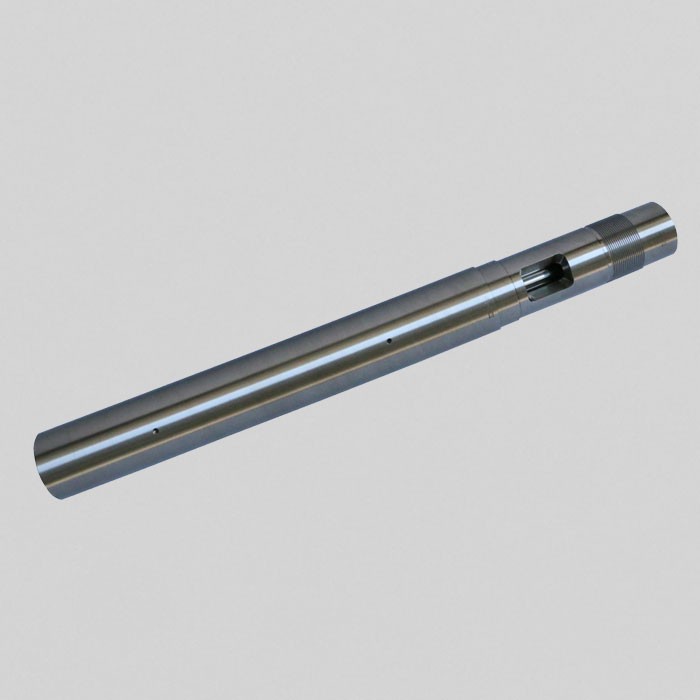
If you're constantly running high - volume injection jobs, you may need to replace your screw barrel more frequently. That's why it's important to choose a high - quality screw barrel, like our Injection Screw Barrel, which is designed to withstand heavy use.

Conclusion
In conclusion, the injection volume and the plastic injection screw barrel are closely intertwined. The design of the screw, the capacity of the barrel, the screw speed, and the material properties all play important roles in determining how well the injection volume can be controlled and achieved.
If you're in the plastic injection molding business and are looking for the right screw barrel for your specific injection volume requirements, don't hesitate to reach out. We're here to help you find the perfect solution for your production needs. Whether you need a screw barrel for small - volume, high - precision parts or large - volume, mass - production jobs, we've got you covered. Let's start a conversation and see how we can work together to improve your injection molding process.
References
- "Plastic Injection Molding Handbook" by Rosato, David V.
- "Injection Molding for Medical Applications" by Mallon, Patrick J.
- Industry whitepapers on plastic injection molding technology.