

What is the environmental impact of the PVD coating process for screws?
As a supplier of PVD coating screws, I've seen firsthand the growing demand for these high - performance products in various industries, from injection molding to automotive manufacturing. Physical Vapor Deposition (PVD) coating is a popular surface treatment method that enhances the properties of screws, such as hardness, wear resistance, and corrosion resistance. However, it's essential to understand the environmental impact of this process to make informed decisions about its use.
The PVD Coating Process for Screws
The PVD coating process for screws involves the deposition of a thin film of material onto the screw surface in a vacuum environment. There are several techniques within PVD, including sputtering and evaporation. In sputtering, high - energy ions are used to eject atoms from a target material, which then deposit onto the screw surface. Evaporation, on the other hand, heats the target material until it vaporizes and condenses on the screw.
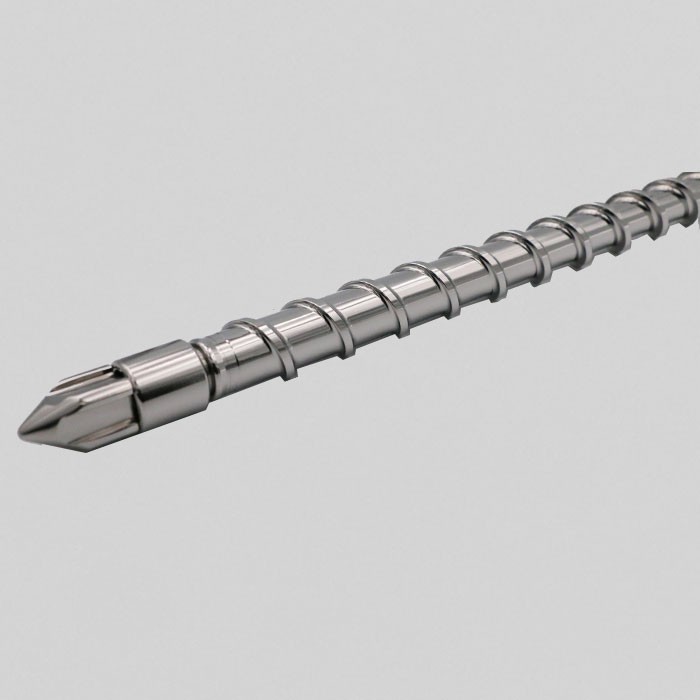
This process offers numerous benefits for screws. Coated screws have a longer lifespan, reducing the need for frequent replacements. They can also operate more efficiently in harsh environments, leading to energy savings in the long run. For example, Fully Hardened Alloy Screw for Injection Molding Machine with PVD coating can withstand high - pressure and high - temperature conditions in injection molding machines, ensuring consistent performance.

Positive Environmental Impacts
- Resource Conservation
One of the significant positive environmental impacts of PVD coating for screws is resource conservation. Since coated screws have enhanced durability, they don't need to be replaced as often. This means less raw material is used over time. For instance, a Pta Welding Screw with a PVD coating can last several times longer than an uncoated one. This reduction in the production of new screws conserves metals and other materials used in screw manufacturing, such as steel, aluminum, and titanium. - Energy Efficiency
PVD - coated screws can contribute to energy efficiency in industrial applications. In machinery where screws are used, the reduced friction and wear provided by the coating allow the equipment to operate more smoothly. This results in less energy consumption. For example, in an injection molding machine using Bimetallic Screw for Injection Molding Machine with PVD coating, the machine can run with less power input, leading to lower electricity usage and a smaller carbon footprint. - Reduced Waste
The longer lifespan of PVD - coated screws means less waste generation. Fewer discarded screws end up in landfills, reducing the environmental burden associated with waste disposal. Additionally, since the coating can improve the performance of screws, it can prevent premature failures that might lead to the disposal of entire components or even machines, further minimizing waste.
Negative Environmental Impacts
- Energy Consumption during Coating Process
The PVD coating process itself is energy - intensive. It requires a vacuum environment, which is created by powerful pumps that consume a significant amount of electricity. The heating or ionization processes involved in depositing the coating also use a large amount of energy. This high energy consumption contributes to greenhouse gas emissions, especially if the electricity is generated from fossil fuels. - Use of Hazardous Materials
Some PVD coating materials can be hazardous. For example, certain metals used in the coating, such as chromium and nickel, can be toxic if released into the environment. Although the PVD process is carried out in a controlled environment, there is still a risk of accidental releases during maintenance, cleaning, or equipment failures. These hazardous materials can contaminate soil, water, and air, posing risks to human health and the ecosystem. - Waste Generation from Coating Equipment
The PVD coating equipment requires regular maintenance and replacement of parts. This generates waste in the form of used components, such as targets, pumps, and filters. These waste materials may contain hazardous substances and need to be disposed of properly to prevent environmental pollution.
Mitigating the Negative Environmental Impacts
- Energy - Efficient Equipment
Investing in energy - efficient PVD coating equipment can significantly reduce energy consumption. Newer models of coating machines are designed to use less power while maintaining high - quality coating results. For example, some machines use advanced vacuum pump technologies that consume less electricity and have better energy - recovery systems. - Substitution of Hazardous Materials
Research is being conducted to find alternative, less - hazardous coating materials. For instance, some companies are exploring the use of environmentally friendly ceramics or polymers as coating materials. These materials can provide similar performance benefits as traditional metals without the associated toxicity risks. - Proper Waste Management
Implementing proper waste management practices is crucial. This includes recycling used coating materials and equipment components whenever possible. Additionally, waste should be disposed of in accordance with environmental regulations to prevent contamination.
Conclusion
The PVD coating process for screws has both positive and negative environmental impacts. On one hand, it offers benefits such as resource conservation, energy efficiency, and reduced waste. On the other hand, it has drawbacks, including high energy consumption, the use of hazardous materials, and waste generation from coating equipment.
As a PVD coating screw supplier, we are committed to minimizing the negative environmental impacts of our products. We are constantly looking for ways to improve the coating process, such as investing in energy - efficient equipment and researching alternative coating materials.
If you are interested in our PVD coating screws and want to learn more about how they can benefit your business while also considering environmental factors, we invite you to contact us for procurement and further discussions. Our team of experts can provide you with detailed information on our products and how they can meet your specific requirements.
References
- Brown, J. (2018). "Advances in PVD Coating Technology for Industrial Fasteners." Journal of Manufacturing Technology.
- Green, S. (2019). "Environmental Considerations in Surface Coating Processes." Environmental Science Review.
- Smith, R. (2020). "The Impact of PVD Coated Screws on Industrial Efficiency and Sustainability." Industrial Engineering Journal.