

In the realm of plastic processing and extrusion, the barrel of an extruder plays a pivotal role. It is not only the container where raw materials are melted and mixed but also a key component that significantly impacts energy efficiency. As a supplier of barrels for extruders, I understand the importance of energy efficiency in modern manufacturing. This blog will explore various ways to improve the energy efficiency of the barrel in an extruder, which can lead to cost savings, reduced environmental impact, and enhanced overall productivity.
1. Material Selection
The choice of barrel material is fundamental to energy efficiency. Different materials have distinct thermal properties, which can affect how much energy is required to heat and maintain the desired temperature inside the barrel.
- Bimetallic Barrels: Extruder Bimetallic Barrel combines the strength and wear - resistance of a hard outer layer with the excellent thermal conductivity of an inner layer. The high - thermal - conductivity inner layer allows for more efficient heat transfer from the heating elements to the plastic material. This means that less energy is wasted in the heating process, and the barrel can reach and maintain the required temperature more quickly and uniformly.
- Sintered Hard Alloy Barrels: Extruder Sintered Hard Alloy Barrel offers superior wear resistance and good thermal stability. These barrels can withstand high temperatures and pressures without deforming, which is crucial for maintaining a consistent heat transfer rate. Their ability to resist wear also ensures that the inner surface of the barrel remains smooth over time, reducing friction and further improving energy efficiency.
2. Insulation
Proper insulation of the extruder barrel is an effective way to reduce energy losses. Heat loss from the barrel to the surrounding environment can be significant, especially in long - running extrusion processes.
- Insulation Jackets: Installing high - quality insulation jackets around the barrel can minimize heat dissipation. These jackets are typically made of materials with low thermal conductivity, such as ceramic fiber or fiberglass. By reducing the amount of heat that escapes from the barrel, the heating elements do not need to work as hard to maintain the set temperature, resulting in energy savings.
- Sealing: Ensuring proper sealing at the joints and connections of the barrel is also important. Leaky seals can allow hot air to escape and cold air to enter, disrupting the temperature control system and increasing energy consumption. Regular inspection and replacement of seals can help maintain an air - tight environment around the barrel.
3. Heating System Optimization
The heating system of the extruder barrel is a major consumer of energy. Optimizing this system can lead to substantial energy savings.
- Zone Heating Control: Dividing the barrel into multiple heating zones and using independent temperature controllers for each zone allows for more precise temperature regulation. Different sections of the barrel may require different temperatures depending on the processing stage of the plastic material. By accurately controlling the temperature in each zone, energy can be used more efficiently. For example, the feeding zone may need a lower temperature than the melting and metering zones.
- Energy - Efficient Heating Elements: Upgrading to energy - efficient heating elements, such as induction heaters or ceramic heaters, can improve energy efficiency. Induction heaters use electromagnetic fields to directly heat the barrel, which is a more efficient method compared to traditional resistance heaters. Ceramic heaters have a high heating rate and good thermal stability, reducing energy consumption during the heating process.
4. Barrel Design
The design of the barrel itself can have a significant impact on energy efficiency.
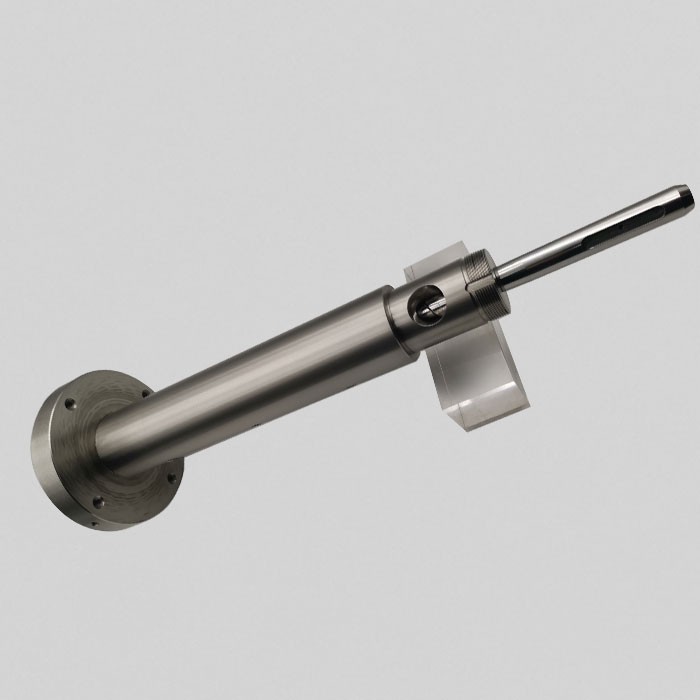

- L/D Ratio: The length - to - diameter (L/D) ratio of the barrel affects the residence time of the plastic material and the heat transfer efficiency. A higher L/D ratio allows for more thorough mixing and melting of the plastic, which can improve energy efficiency by reducing the need for excessive heating. However, an overly long barrel may also increase energy consumption due to increased friction and heat loss. Therefore, an optimal L/D ratio should be determined based on the specific application and plastic material.
- Screw and Barrel Clearance: The clearance between the screw and the barrel is crucial for efficient plastic processing. A proper clearance ensures that the plastic is conveyed smoothly and evenly, minimizing energy losses due to excessive friction. If the clearance is too large, the plastic may not be properly mixed and melted, requiring more energy to achieve the desired processing quality. If the clearance is too small, excessive friction can generate heat and increase energy consumption.
5. Process Optimization
In addition to hardware improvements, optimizing the extrusion process can also enhance the energy efficiency of the barrel.
- Plastic Material Selection: Choosing the right plastic material can affect energy consumption. Some plastics have lower melting points and require less energy to process. Additionally, using recycled plastics can be a more energy - efficient option as they often require less energy to melt compared to virgin plastics.
- Processing Speed: Adjusting the processing speed of the extruder can also impact energy efficiency. Running the extruder at an optimal speed can ensure that the plastic is processed efficiently without over - heating or under - melting. A too - high speed may cause uneven melting and require more energy to compensate, while a too - low speed may result in unnecessary energy consumption due to longer processing times.
6. Regular Maintenance
Regular maintenance of the extruder barrel is essential for maintaining its energy efficiency.
- Cleaning: Over time, the inner surface of the barrel can accumulate plastic residues, carbon deposits, and other contaminants. These deposits can act as insulators, reducing heat transfer efficiency and increasing energy consumption. Regular cleaning of the barrel can remove these deposits and restore its original heat transfer performance.
- Wear Inspection: Monitoring the wear of the barrel and screw is crucial. Excessive wear can lead to increased friction, poor plastic processing, and higher energy consumption. Replacing worn - out components in a timely manner can ensure the efficient operation of the extruder.
7. Monitoring and Control
Implementing a monitoring and control system can help track the energy consumption of the extruder barrel and make adjustments as needed.
- Energy Monitoring Devices: Installing energy monitoring devices can provide real - time data on the energy consumption of the barrel and the entire extruder system. This data can be used to identify energy - intensive processes or components and take corrective actions.
- Automated Control Systems: Using automated control systems to adjust the temperature, speed, and other process parameters based on the actual operating conditions can optimize energy usage. These systems can respond quickly to changes in the process and ensure that the extruder operates at its most energy - efficient level.
In conclusion, improving the energy efficiency of the barrel in an extruder is a multi - faceted task that involves material selection, insulation, heating system optimization, barrel design, process optimization, regular maintenance, and monitoring. As a supplier of extruder barrels, we are committed to providing high - quality products and solutions that can help our customers achieve better energy efficiency and cost savings. If you are interested in improving the energy efficiency of your extruder or looking for high - performance Extrusion Barrel, please feel free to contact us for further discussion and procurement negotiation.
References
- "Plastics Extrusion Technology Handbook" by Hanser Gardner Publications
- "Extrusion of Polymers: Theory and Practice" by Chris Rauwendaal