

Hey there! As a supplier of plastic extruder screw barrels, I've seen my fair share of issues pop up over the years. And let me tell you, troubleshooting these problems can be a real headache. But don't worry, I'm here to share some tips and tricks to help you get your extruder up and running smoothly again.
First off, let's talk about some common issues you might encounter with your plastic extruder screw barrel. One of the most frequent problems is wear and tear. Over time, the screw and barrel can start to wear down due to the constant friction and pressure of the extrusion process. This can lead to a decrease in performance, such as reduced output, poor melt quality, and even product defects.
Another issue is corrosion. If your extruder is exposed to certain chemicals or environments, the screw and barrel can start to corrode. This can weaken the material and cause it to break down, leading to more serious problems.
Clogging is also a common problem. If the plastic material isn't flowing smoothly through the extruder, it can build up and cause a blockage. This can stop the extrusion process altogether and require some serious cleaning to get things moving again.
So, how do you troubleshoot these issues? Well, the first step is to do a visual inspection of the screw and barrel. Look for any signs of wear, corrosion, or damage. Check the threads on the screw to make sure they're in good condition, and look for any cracks or chips in the barrel.
If you notice any signs of wear or damage, it might be time to replace the screw or barrel. This can be a costly repair, but it's often necessary to keep your extruder running at its best. As a supplier, I can offer you a range of high-quality screw barrels, including Extruder Sintered Hard Alloy Barrel and Extruder Bimetallic Barrel, which are designed to withstand the rigors of the extrusion process and last longer.
Next, check the temperature settings on your extruder. If the temperature is too high or too low, it can affect the flow of the plastic material and cause problems. Make sure the temperature is set correctly for the type of plastic you're using, and monitor it closely during the extrusion process.
You should also check the pressure settings. If the pressure is too high, it can cause the screw to wear down faster and increase the risk of clogging. If the pressure is too low, the plastic material might not flow smoothly through the extruder. Adjust the pressure settings as needed to ensure a consistent flow of material.
Another important factor to consider is the type of plastic material you're using. Different plastics have different properties, and some might be more prone to clogging or wear than others. Make sure you're using the right type of plastic for your extruder, and follow the manufacturer's recommendations for processing it.
If you're still having problems after checking the temperature, pressure, and plastic material, it might be a good idea to clean the screw and barrel. Over time, plastic residue can build up on the surfaces of the screw and barrel, which can affect the performance of the extruder. You can use a special cleaning solution or a mechanical cleaning tool to remove the residue and get the screw and barrel back in good condition.
When cleaning the screw and barrel, be careful not to damage the surfaces. Use a soft brush or cloth to avoid scratching the metal, and follow the manufacturer's instructions for cleaning. You might also want to consider using a preventative maintenance program to keep your extruder in good condition and avoid future problems.
In addition to these troubleshooting tips, I also recommend keeping a maintenance log for your extruder. This can help you track the performance of the machine over time and identify any trends or patterns in the problems you're experiencing. By keeping a detailed record of the maintenance and repairs you've done, you can make more informed decisions about when to replace parts and how to optimize the performance of your extruder.

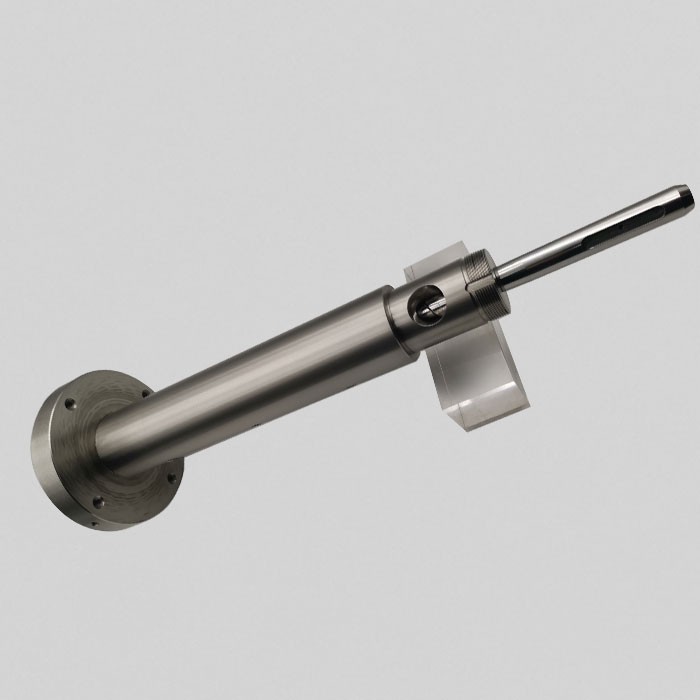
Finally, if you're still having trouble troubleshooting the issues with your plastic extruder screw barrel, don't hesitate to contact me. As a supplier, I have a team of experts who can provide you with technical support and advice. We can help you diagnose the problem and find the best solution for your needs.
Whether you need a new screw barrel, a replacement part, or just some advice on how to maintain your extruder, I'm here to help. I offer a wide range of Extrusion Screw Barrel products and services to meet the needs of different customers. So, if you're looking for a reliable supplier of plastic extruder screw barrels, look no further.
In conclusion, troubleshooting issues with your plastic extruder screw barrel can be a challenging task, but with the right knowledge and tools, you can keep your extruder running smoothly and efficiently. By following these tips and working with a trusted supplier, you can minimize downtime and maximize the performance of your extruder. If you have any questions or need further assistance, feel free to reach out. I'm always happy to help you find the best solution for your extrusion needs.
References
- "Plastic Extrusion Technology Handbook" by Allan Griff
- "Extrusion of Polymers: Theory and Practice" by Stephen Middleman