

How to Overcome the Limitations of a Plastic Injection Screw Barrel
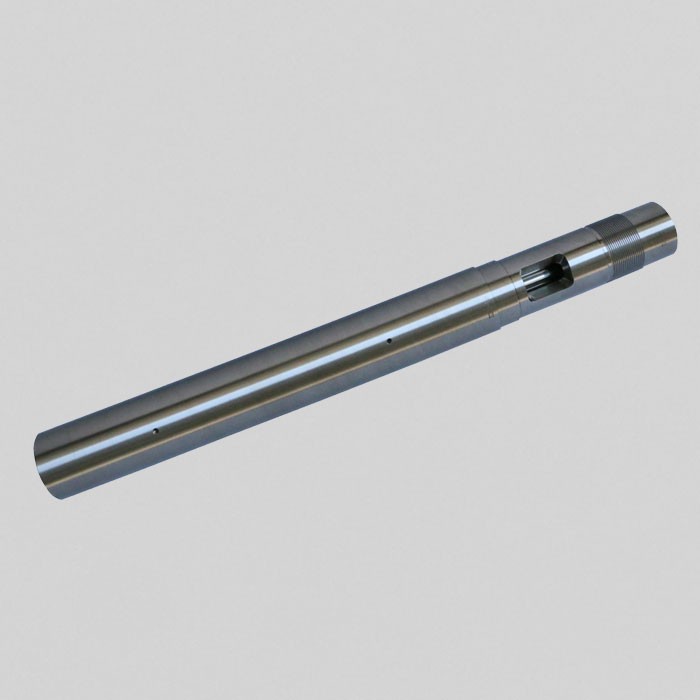
As a supplier of plastic injection screw barrels, I've witnessed firsthand the challenges that manufacturers face when dealing with the limitations of these crucial components. The plastic injection screw barrel is the heart of an injection molding machine, responsible for melting, mixing, and injecting plastic materials into molds. However, like any mechanical part, it has its limitations. In this blog post, I'll share some insights on how to overcome these limitations and optimize the performance of your plastic injection screw barrel.
Understanding the Limitations
Before we delve into solutions, it's essential to understand the common limitations of plastic injection screw barrels. These limitations can significantly impact the quality of the molded parts, production efficiency, and overall cost-effectiveness of the injection molding process.
- Wear and Tear: The continuous movement of the screw inside the barrel, combined with the high temperatures and pressures involved in the injection molding process, can cause significant wear and tear on the screw and barrel surfaces. This wear can lead to reduced plasticizing efficiency, inconsistent melt quality, and ultimately, lower-quality molded parts.
- Corrosion: Certain plastic materials, additives, and processing conditions can cause corrosion of the screw and barrel. Corrosion can weaken the structural integrity of the components, leading to premature failure and increased maintenance costs.
- Material Compatibility: Different plastic materials have different melting points, viscosities, and chemical properties. Using a screw barrel that is not compatible with the specific plastic material being processed can result in poor plasticizing performance, incomplete melting, and even degradation of the plastic material.
- Heating and Cooling Efficiency: The ability of the screw barrel to heat and cool the plastic material efficiently is crucial for achieving consistent melt quality and cycle times. Inadequate heating or cooling can lead to uneven melting, poor flow properties, and longer cycle times.
- Screw Design Limitations: The design of the screw, including its diameter, length, pitch, and flight geometry, can have a significant impact on the plasticizing performance of the screw barrel. A poorly designed screw may not be able to effectively convey, compress, and melt the plastic material, resulting in suboptimal performance.
Overcoming the Limitations
Now that we've identified the common limitations of plastic injection screw barrels, let's explore some strategies for overcoming them.
Material Selection
- High-Quality Materials: Choose screw barrels made from high-quality materials that are resistant to wear, corrosion, and high temperatures. For example, bimetallic barrels are a popular choice for applications that require high wear and corrosion resistance. These barrels consist of a steel outer shell and a hard, wear-resistant inner lining, providing excellent performance and durability.
- Material Compatibility: Ensure that the screw barrel is compatible with the specific plastic material being processed. Consult with the screw barrel manufacturer or a materials expert to select the appropriate materials and surface treatments for your application.
Surface Treatments
- Hard Coatings: Apply hard coatings to the screw and barrel surfaces to improve wear and corrosion resistance. Common hard coatings include nitriding, chrome plating, and tungsten carbide spraying. These coatings can significantly extend the lifespan of the screw barrel and improve its performance.
- Anti-Stick Coatings: For applications that involve processing sticky or abrasive plastic materials, consider using anti-stick coatings on the screw and barrel surfaces. These coatings can reduce friction, prevent material buildup, and improve the flow of the plastic material.
Screw Design Optimization
- Customized Screw Design: Work with a screw barrel manufacturer to design a screw that is optimized for your specific application. Consider factors such as the type of plastic material, processing conditions, and desired output. A customized screw design can improve plasticizing efficiency, reduce cycle times, and enhance the quality of the molded parts.
- Variable Pitch and Flight Geometry: Screw designs with variable pitch and flight geometry can provide better mixing and plasticizing performance compared to traditional screw designs. These designs can help to improve the dispersion of additives, reduce shear heating, and ensure more consistent melt quality.
Heating and Cooling System Upgrades
- Efficient Heating Elements: Upgrade the heating elements in the screw barrel to improve heating efficiency and reduce energy consumption. Consider using advanced heating technologies, such as ceramic heaters or induction heating, which can provide more precise and uniform heating.
- Optimized Cooling Channels: Ensure that the cooling channels in the screw barrel are properly designed and maintained to provide efficient cooling. Proper cooling is essential for controlling the temperature of the plastic material and preventing overheating, which can lead to degradation of the plastic material and poor-quality molded parts.
Regular Maintenance and Inspection
- Scheduled Maintenance: Implement a regular maintenance schedule for your plastic injection screw barrel. This should include cleaning, lubrication, and inspection of the screw and barrel components. Regular maintenance can help to identify and address potential issues before they become major problems, reducing downtime and maintenance costs.
- Inspection and Monitoring: Use non-destructive testing methods, such as ultrasonic testing or X-ray inspection, to monitor the condition of the screw and barrel components. Regular inspection can help to detect signs of wear, corrosion, or other damage early on, allowing for timely repairs or replacements.
Conclusion
Overcoming the limitations of a plastic injection screw barrel requires a comprehensive approach that includes material selection, surface treatments, screw design optimization, heating and cooling system upgrades, and regular maintenance and inspection. By implementing these strategies, manufacturers can improve the performance, reliability, and lifespan of their plastic injection screw barrels, resulting in higher-quality molded parts, increased production efficiency, and lower costs.
If you're facing challenges with your plastic injection screw barrel or are looking to optimize your injection molding process, we're here to help. As a leading supplier of injection screw barrels and injection machine barrels, we have the expertise and experience to provide you with customized solutions that meet your specific needs. Contact us today to learn more about our products and services and to discuss how we can help you overcome the limitations of your plastic injection screw barrel.

References
- Beaumont, J. P. (2007). Injection Molding Handbook. Hanser Publishers.
- Rosato, D. V., & Rosato, D. V. (2004). Injection Molding Handbook. Kluwer Academic Publishers.
- Throne, J. L. (1996). Plastics Process Engineering. Hanser Publishers.