

Back pressure in a plastic extruder screw barrel is a critical factor that significantly impacts the plastic extrusion process. As a trusted supplier of Extruder Screw Barrel, we understand the nuances of how back pressure affects various aspects of plastic extrusion. In this blog, we will delve into the concept of back pressure, its effects on the extrusion process, and how our high - quality screw barrels can help manage it effectively.
Understanding Back Pressure in Plastic Extrusion
Back pressure in a plastic extruder screw barrel is the resistance force that the molten plastic encounters as it moves through the barrel towards the die. It is created by the restriction at the die end of the extruder. When the plastic is forced through the small openings or complex geometries of the die, it builds up pressure within the barrel. This pressure is essential for several reasons.
Firstly, back pressure ensures proper mixing and homogenization of the plastic melt. As the plastic is pushed against the resistance, it undergoes more shear and mixing actions. The screw in the barrel rotates, and the back pressure forces the plastic to flow in different directions, breaking up any agglomerates and ensuring a uniform distribution of additives, colorants, and fillers. For example, in the production of plastic pipes, a certain level of back pressure is required to make sure that the color is evenly distributed throughout the pipe wall, resulting in a high - quality and aesthetically pleasing product.
Secondly, back pressure helps in achieving consistent melt temperature. The shear forces generated due to the resistance convert mechanical energy into heat. This additional heat can be beneficial, especially when dealing with plastics that have a high melting point or require a specific temperature range for proper extrusion. By controlling the back pressure, we can regulate the amount of shear heat generated, thus maintaining a stable melt temperature.
Impact of Back Pressure on the Extrusion Process
Product Quality
One of the most significant impacts of back pressure on the extrusion process is on product quality. If the back pressure is too low, the plastic may not be properly mixed or homogenized. This can lead to visible streaks, uneven color distribution, and inconsistent physical properties in the final product. For instance, in the production of plastic films, low back pressure may result in films with varying thicknesses and poor mechanical strength. The lack of proper mixing can also cause weak spots in the film, making it more prone to tearing.
On the other hand, if the back pressure is too high, it can cause over - shearing of the plastic. Over - shearing can lead to thermal degradation of the plastic. The excessive heat generated due to high shear forces can break down the polymer chains, resulting in a loss of mechanical properties such as tensile strength and elongation. In extreme cases, the plastic may start to decompose, releasing harmful gases and leaving charred particles in the extruded product. This can significantly reduce the product's quality and render it unsuitable for its intended application.
Output Rate
Back pressure also has a direct impact on the output rate of the extruder. As the back pressure increases, the resistance to the flow of plastic also increases. This means that the screw has to work harder to push the plastic through the barrel and the die. At a certain point, if the back pressure is too high, the output rate will start to decrease. The screw may not be able to overcome the resistance, and the plastic may start to accumulate in the barrel.
Conversely, if the back pressure is too low, the plastic may flow too freely through the barrel and the die. While this may initially seem to increase the output rate, it can lead to poor product quality as mentioned earlier. Therefore, finding the optimal back pressure is crucial to balance between product quality and output rate.
Equipment Wear
The level of back pressure in the extruder screw barrel also affects equipment wear. High back pressure means that the screw and the barrel are subjected to higher forces. The screw has to rotate against a greater resistance, which can cause more wear on the screw flights and the barrel surface. Over time, this can lead to a decrease in the efficiency of the extruder and may require more frequent maintenance and replacement of parts.
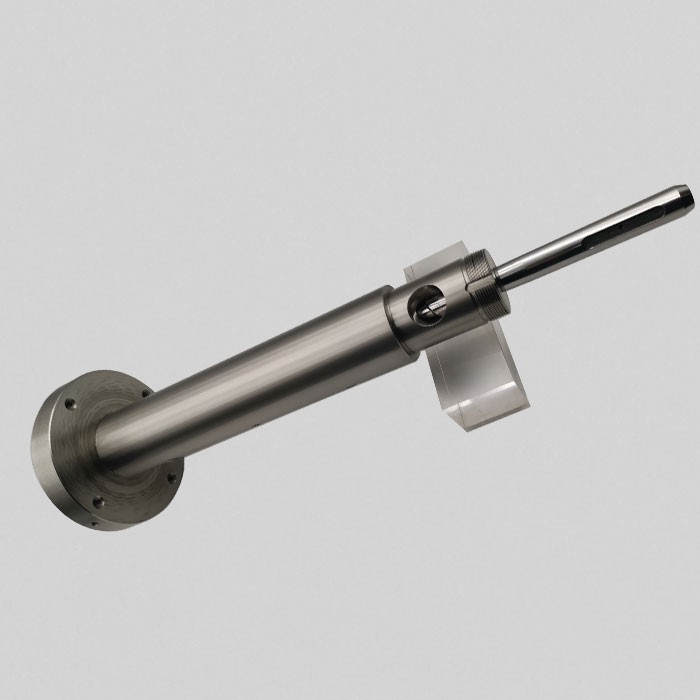
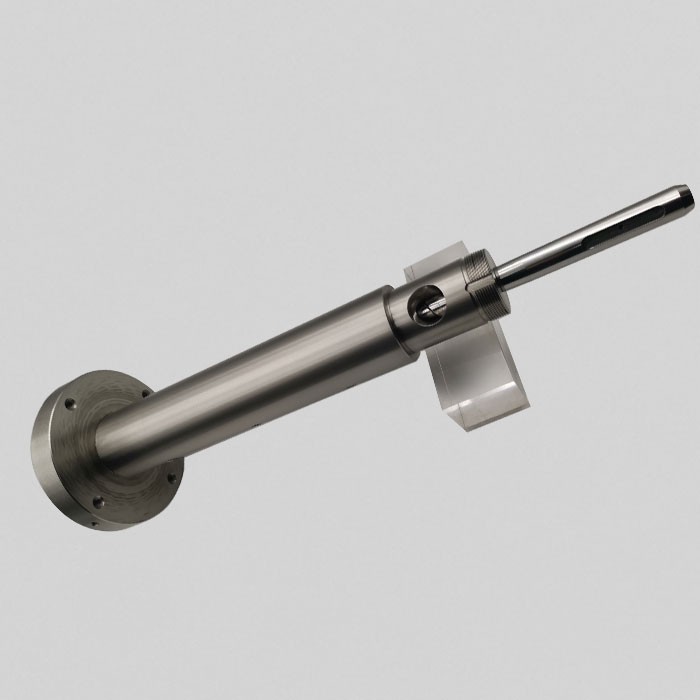
Our Extruder Nitrided Steel Barrel is designed to withstand high back pressures. The nitriding process hardens the surface of the barrel, increasing its wear resistance. This allows our barrels to operate under high - pressure conditions for longer periods without significant wear, reducing the overall maintenance costs for our customers.
Controlling Back Pressure
Controlling back pressure is essential for a successful extrusion process. There are several ways to control back pressure, and one of the most common methods is by adjusting the die geometry. A die with smaller openings or more complex shapes will create more resistance and increase the back pressure. Conversely, a die with larger openings will result in lower back pressure.
Another way to control back pressure is by adjusting the screw speed. Increasing the screw speed can increase the pressure in the barrel, but it also needs to be carefully balanced. If the screw speed is increased too much, it can lead to over - shearing and other issues. Additionally, the temperature of the barrel and the die can also affect back pressure. Higher temperatures generally reduce the viscosity of the plastic, resulting in lower back pressure.
As a supplier of Single Screw Extruder Screw Barrel, we offer screw barrels with different designs and specifications to help our customers control back pressure effectively. Our screws are designed with optimized flight geometries and pitch ratios to generate the right amount of pressure and shear forces. The barrels are also precision - machined to ensure a smooth and efficient flow of plastic, minimizing any unnecessary resistance.
How Our Screw Barrels Help Manage Back Pressure
Our screw barrels are engineered to provide the right balance of back pressure for different extrusion applications. We use high - quality materials and advanced manufacturing techniques to ensure that our products can withstand high pressures and offer long - term performance.
The design of our screws takes into account the need for efficient mixing and pressure generation. The screw flights are carefully shaped to create the optimal amount of shear and mixing actions. The pitch of the screw can be adjusted according to the specific requirements of the plastic and the extrusion process. For example, in applications where a high level of back pressure is required, we can provide screws with a finer pitch, which will generate more pressure as the plastic is pushed through the barrel.
The barrels we supply are also designed to minimize friction and wear. The smooth inner surface of the barrel allows the plastic to flow freely, reducing the chances of blockages and uneven pressure distribution. Our Extruder Screw Barrel is available in different sizes and configurations to suit various extruder models and production requirements.
Conclusion
Back pressure in a plastic extruder screw barrel is a complex but crucial factor in the plastic extrusion process. It has a profound impact on product quality, output rate, and equipment wear. By understanding the concept of back pressure and its effects, and by using high - quality screw barrels like the ones we supply, manufacturers can optimize their extrusion processes and produce high - quality plastic products.
If you are looking for reliable and high - performance Extruder Screw Barrel solutions to manage back pressure in your plastic extrusion process, we are here to help. Our team of experts can provide you with professional advice and customized products to meet your specific needs. Contact us today to start a discussion about your extrusion requirements and take your production to the next level.
References
- Tadmor, Z., & Gogos, C. G. (2006). Principles of Polymer Processing. Wiley - Interscience.
- Rosato, D. V., & Rosato, D. P. (2004). Extrusion Dies for Plastics and Rubber: Design and Engineering Computations. Hanser Publishers.
- Michaeli, W. (2006). Extrusion Dies: Fundamentals, Design, Calculation. Carl Hanser Verlag.