

As a supplier of extruder bimetallic barrels, ensuring uniform temperature distribution within the barrel is crucial for the quality and efficiency of the extrusion process. In this blog, I will delve into the various factors that affect temperature distribution in an extruder bimetallic barrel and share some practical strategies to achieve a more uniform temperature profile.
Understanding the Importance of Uniform Temperature Distribution
In the extrusion process, the raw materials are melted and plasticized within the extruder barrel before being pushed through a die to form the desired shape. A uniform temperature distribution is essential for several reasons. Firstly, it ensures consistent melting and plasticization of the raw materials, which is vital for the quality of the final product. Uneven temperatures can lead to variations in the melt viscosity, resulting in defects such as poor surface finish, inconsistent dimensions, and mechanical property variations.
Secondly, a uniform temperature distribution helps to reduce thermal stress within the barrel and other components of the extruder. Thermal stress can cause premature wear and tear, leading to increased maintenance costs and reduced equipment lifespan. By maintaining a consistent temperature, we can minimize these issues and improve the overall reliability and durability of the extruder.

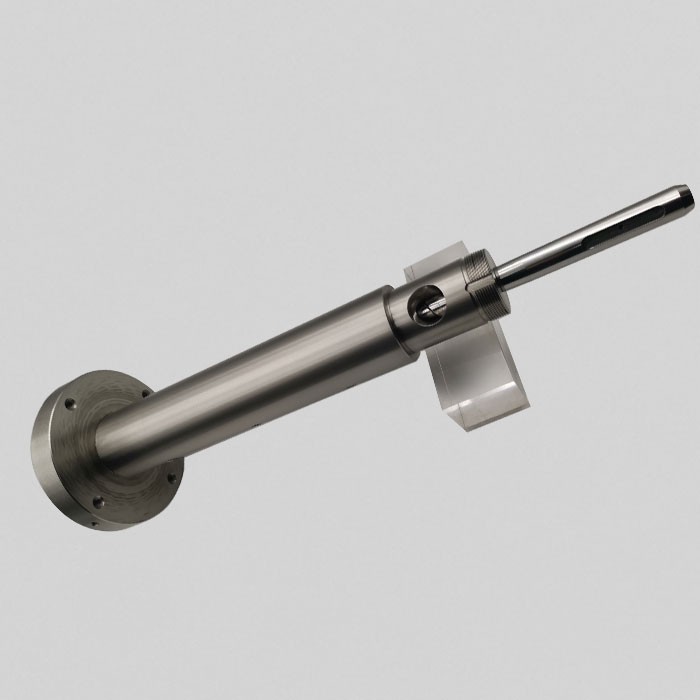
Factors Affecting Temperature Distribution in an Extruder Bimetallic Barrel
Several factors can influence the temperature distribution within an extruder bimetallic barrel. Understanding these factors is the first step in developing effective strategies to ensure uniform temperature distribution.
1. Heating and Cooling Systems
The heating and cooling systems of the extruder play a significant role in controlling the temperature within the barrel. Most extruders are equipped with electric heaters or oil heating systems to provide the necessary heat for melting the raw materials. Cooling systems, such as water jackets or air blowers, are used to remove excess heat and maintain the desired temperature.
The design and performance of these heating and cooling systems can have a significant impact on temperature distribution. For example, unevenly spaced heaters or inefficient cooling channels can lead to hot spots or cold spots within the barrel. It is essential to ensure that the heating and cooling systems are properly designed and installed to provide uniform heat transfer across the entire length of the barrel.
2. Barrel Material and Design
The material and design of the extruder bimetallic barrel also affect temperature distribution. Bimetallic barrels are typically made of a combination of a hard outer layer and a more thermally conductive inner layer. The choice of materials and the thickness of each layer can influence the heat transfer characteristics of the barrel.
A well-designed bimetallic barrel should have a high thermal conductivity to ensure efficient heat transfer from the heaters to the raw materials. Additionally, the barrel should be designed to minimize heat loss to the surroundings. This can be achieved through the use of insulation materials or by optimizing the barrel geometry.
3. Screw Design and Operation
The screw is another critical component of the extruder that can affect temperature distribution. The screw rotates within the barrel, conveying and mixing the raw materials while applying pressure to push them through the die. The design of the screw, including its pitch, flight depth, and compression ratio, can influence the heat generation and distribution within the barrel.
During operation, the screw can generate heat through friction with the raw materials and the barrel wall. This heat generation can vary depending on the screw speed, the type of raw materials, and the extrusion rate. It is important to optimize the screw design and operation parameters to ensure that the heat generated is evenly distributed and does not cause excessive temperature variations within the barrel.
4. Raw Material Properties
The properties of the raw materials being extruded can also have an impact on temperature distribution. Different materials have different melting points, thermal conductivities, and heat capacities. These properties can affect how the materials absorb and transfer heat within the barrel.
For example, materials with a high melting point may require more heat to melt, which can lead to higher temperatures in certain areas of the barrel. Materials with low thermal conductivity may also cause uneven temperature distribution, as they are less efficient at transferring heat. It is important to consider the properties of the raw materials when designing the extrusion process and selecting the appropriate barrel and screw configurations.
Strategies to Ensure Uniform Temperature Distribution
Based on the factors discussed above, here are some strategies that can be implemented to ensure uniform temperature distribution in an extruder bimetallic barrel:
1. Optimize the Heating and Cooling Systems
Regularly inspect and maintain the heating and cooling systems to ensure they are functioning properly. Clean the heaters and cooling channels to remove any debris or scale that may impede heat transfer. Check the temperature sensors and controllers to ensure accurate temperature measurement and control.
Consider upgrading the heating and cooling systems if necessary. For example, installing more evenly spaced heaters or improving the design of the cooling channels can help to improve temperature distribution. Additionally, using advanced temperature control algorithms can provide more precise control over the heating and cooling processes.
2. Select the Right Barrel Material and Design
Choose a bimetallic barrel with the appropriate material combination and thickness to ensure efficient heat transfer. Consider the thermal conductivity, hardness, and corrosion resistance of the materials when making your selection.
Optimize the barrel design to minimize heat loss and improve heat transfer. This can include using insulation materials, improving the barrel geometry, or adding heat transfer fins. Additionally, ensure that the barrel is properly aligned and installed to prevent any gaps or leaks that may affect temperature distribution.
3. Design and Operate the Screw Properly
Select a screw design that is suitable for the type of raw materials being extruded and the desired extrusion rate. Consider the pitch, flight depth, and compression ratio of the screw to ensure efficient conveying, mixing, and melting of the materials.
Operate the screw at the appropriate speed and torque to minimize heat generation and ensure uniform temperature distribution. Monitor the screw speed, temperature, and pressure during operation and make adjustments as needed to maintain optimal process conditions.
4. Consider the Raw Material Properties
Understand the properties of the raw materials being extruded and adjust the extrusion process accordingly. This may include adjusting the barrel temperature, screw speed, or feed rate to ensure proper melting and plasticization of the materials.
If necessary, preheat the raw materials before they enter the extruder to reduce the amount of heat required within the barrel. This can help to improve temperature distribution and reduce the risk of overheating in certain areas of the barrel.
Conclusion
Ensuring uniform temperature distribution in an extruder bimetallic barrel is essential for the quality and efficiency of the extrusion process. By understanding the factors that affect temperature distribution and implementing the strategies outlined in this blog, you can improve the performance of your extruder and produce high-quality products.
As a supplier of extruder bimetallic barrels, we are committed to providing our customers with high-quality products and technical support to help them achieve optimal temperature distribution in their extrusion processes. If you have any questions or need further information about our Extrusion Barrel, Plastic Extruder Screw Barrel, or Extruder Nitrided Steel Barrel, please feel free to contact us. We look forward to working with you to meet your extrusion needs.
References
- "Extrusion Technology for Polymers" by Allan A. Griff
- "Handbook of Plastic Extrusion Technology" by James L. White and Joseph F. Carley
- "Plastics Extrusion: Principles and Practice" by George E. Mallouk