

Ensuring the alignment of the screw in an extrusion barrel is a critical aspect of the extrusion process, which directly impacts the quality of the final product, the efficiency of the operation, and the lifespan of the equipment. As a leading extrusion barrel supplier, we understand the significance of this issue and have accumulated rich experience in providing solutions to ensure proper screw alignment. In this blog, we will delve into the key factors and methods to ensure the alignment of the screw in an extrusion barrel.
Understanding the Importance of Screw Alignment
Before we discuss how to ensure screw alignment, it's essential to understand why it matters. In an extrusion process, the screw rotates within the barrel to convey, melt, and pressurize the plastic material. Misalignment of the screw can lead to several problems. Firstly, it can cause uneven wear on the screw and the barrel. When the screw is not properly aligned, certain parts of the screw will experience more friction and pressure than others, resulting in premature wear. This not only shortens the lifespan of the screw and the barrel but also affects the consistency of the extrusion process. Secondly, misalignment can lead to poor product quality. Uneven pressure distribution within the barrel can cause variations in the melt flow, resulting in products with inconsistent dimensions, surface defects, or poor mechanical properties. Finally, misaligned screws can increase energy consumption. The additional friction and resistance caused by misalignment require more power to drive the screw, leading to higher energy costs.
Factors Affecting Screw Alignment
Several factors can affect the alignment of the screw in an extrusion barrel. Understanding these factors is the first step in ensuring proper alignment.
Installation Accuracy
The installation process is crucial for screw alignment. If the screw is not installed correctly, it can be misaligned from the start. During installation, it's important to ensure that the screw is centered within the barrel and that the shaft is parallel to the axis of the barrel. Any deviation during installation can lead to misalignment.
Barrel and Screw Manufacturing Tolerances
The manufacturing tolerances of the barrel and the screw also play a significant role in screw alignment. Even small deviations in the dimensions or straightness of the barrel or the screw can cause misalignment. High - quality manufacturing processes with tight tolerances are essential to ensure proper fit and alignment.
Thermal Expansion
During the extrusion process, the barrel and the screw are heated to high temperatures. Different materials have different coefficients of thermal expansion. If the thermal expansion of the barrel and the screw is not properly considered, it can cause misalignment as the temperature changes.
Wear and Tear
Over time, the screw and the barrel will experience wear and tear due to the continuous contact and friction between them. This wear can change the dimensions and shape of the screw and the barrel, leading to misalignment.
Methods to Ensure Screw Alignment
Precise Installation
Proper installation is the foundation of screw alignment. Here are some key steps during the installation process:
- Inspect the Components: Before installation, carefully inspect the screw and the barrel for any visible defects, such as scratches, dents, or dimensional deviations. Make sure that the keyways and other mating surfaces are clean and free of debris.
- Use Alignment Tools: Utilize alignment tools such as laser alignment systems or dial indicators to ensure that the screw is centered within the barrel and that the shaft is parallel to the barrel axis. These tools can provide accurate measurements and help adjust the position of the screw during installation.
- Follow Manufacturer's Instructions: Always follow the manufacturer's installation instructions. These instructions are based on the design and specifications of the equipment and provide the best guidance for proper installation.
Quality Manufacturing
As an extrusion barrel supplier, we focus on high - quality manufacturing processes to ensure that our barrels and screws have tight tolerances. We use advanced machining techniques and precision measuring equipment to ensure that the dimensions and straightness of the barrels and screws meet the required standards. By providing high - quality components, we can minimize the potential for misalignment caused by manufacturing errors.
Thermal Management
To address the issue of thermal expansion, proper thermal management is necessary.
- Pre - heating: Pre - heat the barrel and the screw to the operating temperature before starting the extrusion process. This allows the components to expand uniformly and reduces the risk of misalignment due to thermal expansion during operation.
- Temperature Control: Maintain a stable temperature within the barrel during the extrusion process. Fluctuations in temperature can cause uneven thermal expansion, leading to misalignment. Use temperature sensors and controllers to ensure accurate temperature control.
Regular Maintenance and Inspection
Regular maintenance and inspection are essential to detect and correct any alignment issues in a timely manner.
- Visual Inspection: Periodically inspect the screw and the barrel for signs of wear, such as uneven wear patterns, scratches, or damage. Visual inspection can help identify potential alignment problems early.
- Measurement and Adjustment: Use measuring tools to check the alignment of the screw at regular intervals. If misalignment is detected, make the necessary adjustments. This may involve realigning the screw, replacing worn components, or making minor modifications to the installation.
Advanced Alignment Technologies
In addition to the traditional methods mentioned above, there are also some advanced alignment technologies that can be used to ensure screw alignment.
Real - Time Monitoring Systems
Real - time monitoring systems can continuously monitor the alignment of the screw during the extrusion process. These systems use sensors to detect any changes in the position or movement of the screw and provide feedback to the operator. If misalignment is detected, the system can alert the operator and, in some cases, automatically adjust the screw position.
Computer - Aided Design and Manufacturing (CAD/CAM)
CAD/CAM technologies can be used to optimize the design and manufacturing of the barrel and the screw. By using computer simulations, engineers can predict the behavior of the screw and the barrel under different operating conditions and make design adjustments to ensure proper alignment.

Conclusion
Ensuring the alignment of the screw in an extrusion barrel is a complex but essential task. By understanding the factors affecting screw alignment, implementing proper installation procedures, focusing on high - quality manufacturing, managing thermal expansion, and conducting regular maintenance and inspections, we can minimize the risk of misalignment and ensure the efficient and reliable operation of the extrusion process.
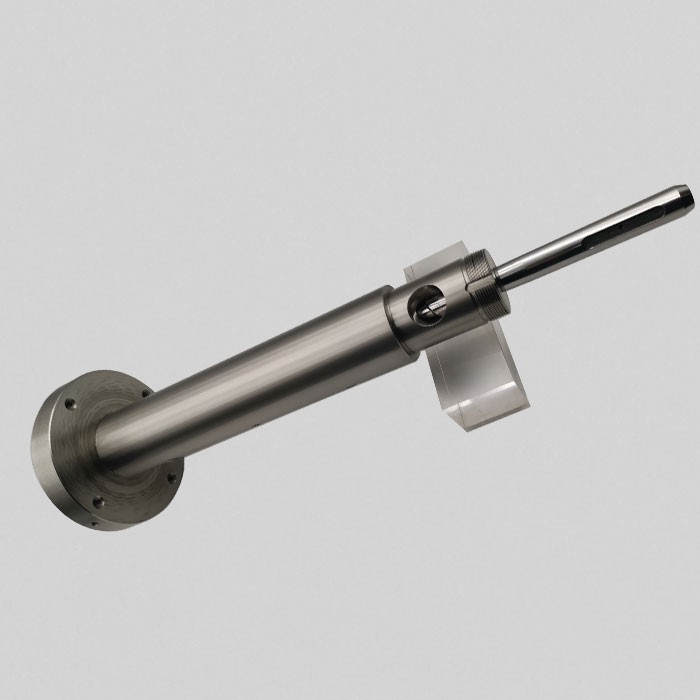
As an extrusion barrel supplier, we are committed to providing our customers with high - quality barrels and screws that are designed and manufactured to ensure proper alignment. Our products, such as Plastic Extruder Screw Barrel, Single Screw Extruder Screw Barrel, and Barrel in Extruder, are engineered to meet the highest standards of quality and performance.
If you are looking for reliable extrusion barrel solutions or have any questions about screw alignment, please feel free to contact us for further discussions and potential procurement opportunities. We are here to help you optimize your extrusion process and achieve the best results.
References
- Rauwendaal, C. (2018). Polymer Extrusion. Hanser Publishers.
- Tadmor, Z., & Gogos, C. G. (2006). Principles of Polymer Processing. John Wiley & Sons.