

Hey there! As a supplier of extruder screw barrels, I've seen firsthand how the wear resistance of these crucial components can make or break an extruder's performance. In this blog, I'm gonna dive deep into how wear resistance relates to the overall performance of an extruder screw barrel.
Let's start with the basics. An extruder screw barrel is like the heart of an extrusion system. It's responsible for melting, mixing, and conveying the raw materials through the extruder to create the final product. The screw rotates inside the barrel, pushing the material forward while applying heat and pressure. Over time, this continuous movement and interaction with the material can cause wear and tear on the screw and barrel surfaces.
So, why does wear resistance matter? Well, it's all about maintaining the efficiency and quality of the extrusion process. When the screw and barrel start to wear out, several things can happen. First, the clearance between the screw and the barrel increases. This means that the material may not be compressed and conveyed as effectively as it should be. As a result, you might see a decrease in the output rate of the extruder. For example, if you're running a production line that's supposed to churn out a certain amount of plastic products per hour, a worn - out screw barrel could lead to a significant drop in that output.
Another issue is the quality of the final product. When the wear is uneven or excessive, it can affect the mixing and melting of the raw materials. You might end up with products that have inconsistent properties, like variations in density, color, or mechanical strength. In industries where product quality is non - negotiable, such as the medical or automotive sectors, this can be a huge problem.
Now, let's talk about the different types of wear that an extruder screw barrel can experience. Abrasive wear is one of the most common types. This occurs when hard particles in the raw material, like glass fibers or mineral fillers, rub against the screw and barrel surfaces. Think of it like sandpaper slowly grinding away at the metal. Corrosive wear, on the other hand, happens when the raw material or the additives in it react chemically with the metal of the screw and barrel. For instance, some plastics may release acidic by - products during the extrusion process, which can eat away at the metal over time.
To combat these types of wear, different materials and manufacturing processes are used to enhance the wear resistance of extruder screw barrels. One popular option is the Extruder Bimetallic Barrel. This type of barrel is made by bonding a layer of wear - resistant alloy to a base metal. The alloy layer provides excellent resistance to both abrasive and corrosive wear, while the base metal gives the barrel the necessary strength and structural integrity.

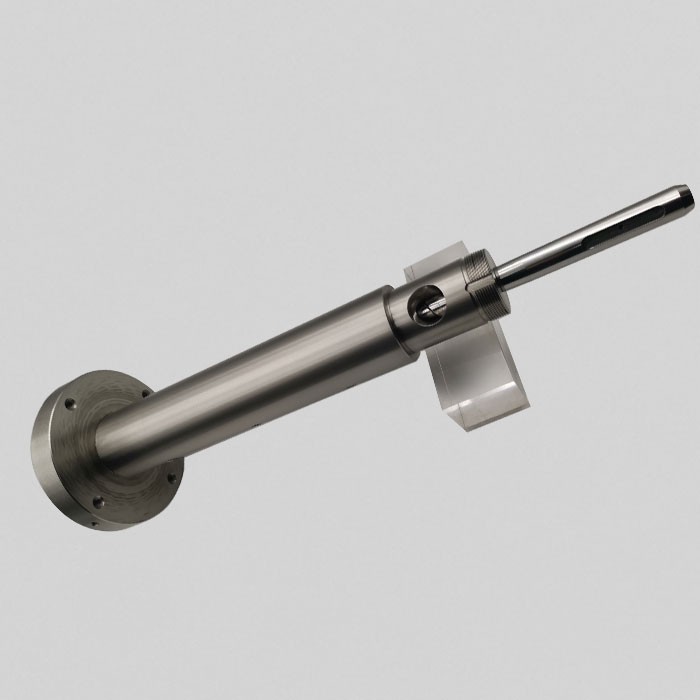
Another option is the Extruder Nitrided Steel Barrel. Nitriding is a heat - treating process where nitrogen is diffused into the surface of the steel. This creates a hard, wear - resistant layer on the surface of the barrel. It's a great choice for applications where the wear is relatively mild and the cost needs to be kept in check.
For the most demanding applications, the Extruder Sintered Hard Alloy Barrel is often the go - to solution. These barrels are made from a sintered hard alloy, which is extremely hard and wear - resistant. They can withstand high levels of abrasive and corrosive wear, making them ideal for processing materials with high filler content or for applications that require a long service life.
But how do you know which type of wear - resistant screw barrel is right for your application? It depends on several factors. The type of raw material you're processing is a major consideration. If you're working with materials that are highly abrasive or corrosive, you'll need a more wear - resistant barrel. The operating conditions, such as the temperature, pressure, and screw speed, also play a role. Higher temperatures and pressures can accelerate wear, so you might need a barrel that can handle those conditions.
Let's take a look at some real - world examples. Suppose you're a manufacturer of plastic pipes. You use a lot of recycled plastic in your production, which often contains a fair amount of contaminants and hard particles. In this case, an extruder screw barrel with high wear resistance, like the sintered hard alloy barrel, would be a great choice. It can withstand the abrasive nature of the recycled plastic and keep your production line running smoothly for a long time.
On the other hand, if you're producing thin - walled plastic containers using a relatively pure and non - abrasive plastic resin, a nitrided steel barrel might be sufficient. It offers a good balance between cost and performance for this type of application.
As a supplier, I always recommend that customers consider the long - term costs when choosing an extruder screw barrel. Sure, a more wear - resistant barrel might cost more upfront, but it can save you a lot of money in the long run. You'll have fewer downtime for maintenance and replacement, and you'll get better - quality products, which can lead to higher customer satisfaction and more business.
In conclusion, the wear resistance of an extruder screw barrel is directly related to its performance. A wear - resistant screw barrel can improve the output rate, enhance the product quality, and reduce maintenance costs. Whether you're dealing with abrasive materials, corrosive substances, or high - speed operations, there's a wear - resistant solution out there for you.
If you're in the market for an extruder screw barrel and want to learn more about how we can help you find the perfect fit for your application, don't hesitate to reach out. We're here to answer your questions and guide you through the selection process. Let's work together to boost your extrusion process and take your business to the next level.
References
- "Extrusion Technology Handbook" - This comprehensive guide provides in - depth information on extruder design, operation, and the impact of wear on performance.
- Industry research reports on the materials used in extruder screw barrels and their wear - resistant properties.