

Temperature is a critical factor in the injection moulding process, significantly influencing the performance of the barrel. As a supplier of barrels for injection moulding, I have witnessed firsthand how temperature variations can impact the efficiency, quality, and longevity of these essential components. In this blog post, I will explore the intricate relationship between temperature and barrel performance, drawing on industry knowledge and real - world experience.
The Basics of Injection Moulding Barrels
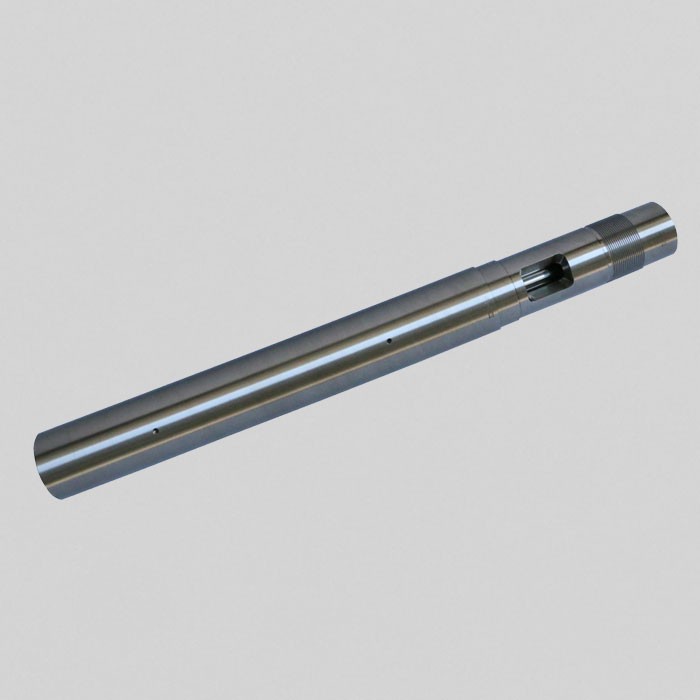
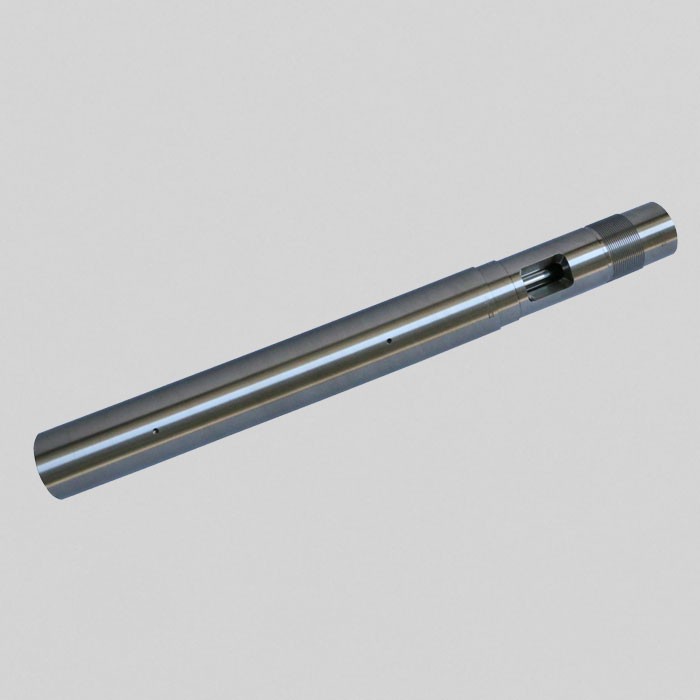
Before delving into the effects of temperature, it's important to understand the role of the barrel in injection moulding. The barrel is a crucial part of the injection moulding machine, serving as a container for the plastic resin. It houses the screw, which rotates to convey, melt, and pressurize the plastic. The barrel is equipped with heating bands and cooling channels to precisely control the temperature of the plastic material as it moves through the system.
There are different types of barrels available for injection moulding, such as Injection Machine Barrel, Injection Screw Barrel, and Screw Barrel Injection Molding Machine. Each type is designed to meet specific requirements in terms of material compatibility, processing capacity, and performance.
Effects of Temperature on Barrel Performance
Material Melting and Viscosity
One of the primary functions of the barrel is to melt the plastic resin into a homogeneous, flowable state. Temperature plays a pivotal role in this process. Different plastics have different melting points, and the barrel temperature must be carefully adjusted to ensure proper melting. If the temperature is too low, the plastic may not melt completely, leading to uneven flow and potential defects in the final product, such as cold slugs or short shots.
On the other hand, if the temperature is too high, the plastic can degrade, resulting in a loss of mechanical properties, discoloration, and the formation of charred particles. The viscosity of the molten plastic is also highly temperature - dependent. As the temperature increases, the viscosity of the plastic decreases, making it easier to flow through the barrel and into the mould cavity. However, excessive temperature can cause the plastic to become too thin, leading to flash (excess plastic that escapes from the mould) and other quality issues.
Wear and Tear on the Barrel
Temperature can also affect the wear and tear of the barrel. High temperatures can accelerate the chemical reactions between the plastic and the barrel surface, leading to corrosion and erosion. The expansion and contraction of the barrel due to temperature changes can cause mechanical stress, which may result in cracks or deformation over time. Additionally, the friction between the rotating screw and the barrel is influenced by temperature. Higher temperatures can reduce the friction coefficient to some extent, but extreme temperatures can also cause the plastic to stick to the barrel surface, increasing the wear on both the screw and the barrel.
Energy Consumption
The temperature control of the barrel has a direct impact on energy consumption. Maintaining a stable and appropriate temperature requires a continuous supply of energy, either for heating or cooling. If the temperature is not well - regulated, the machine may consume more energy than necessary. For example, if the barrel is over - heated and then needs to be cooled rapidly, it will waste energy in the heating and cooling cycles. Efficient temperature management is essential for reducing energy costs and improving the overall sustainability of the injection moulding process.
Product Quality and Consistency
Temperature fluctuations in the barrel can lead to inconsistent product quality. Variations in temperature can cause differences in the density, shrinkage, and mechanical properties of the final product. In industries where tight tolerances and high - quality standards are required, such as the medical and automotive sectors, even small temperature variations can have a significant impact on the functionality and performance of the parts. Therefore, precise temperature control is crucial for ensuring product quality and consistency.
Strategies for Optimal Temperature Management
Precise Temperature Control Systems
Investing in high - quality temperature control systems is essential for maintaining the optimal temperature in the barrel. These systems typically include thermocouples, heating bands, and cooling channels, which work together to monitor and adjust the temperature in real - time. Advanced temperature control algorithms can be used to compensate for external factors such as ambient temperature and material variations, ensuring a stable and accurate temperature throughout the injection moulding process.
Material Selection and Compatibility
Choosing the right plastic material for the injection moulding process is also important for temperature management. Different plastics have different temperature requirements, and it's crucial to select a material that is compatible with the barrel and the moulding machine. Some plastics may require special additives or processing conditions to improve their thermal stability and reduce the risk of degradation at high temperatures.
Regular Maintenance and Inspection
Regular maintenance and inspection of the barrel are necessary to ensure its proper functioning and temperature control. This includes cleaning the barrel to remove any residual plastic or contaminants, checking the heating and cooling systems for proper operation, and inspecting the barrel surface for signs of wear and damage. By detecting and addressing potential issues early, the lifespan of the barrel can be extended, and the performance of the injection moulding process can be optimized.
Operator Training
Well - trained operators are key to effective temperature management in injection moulding. Operators should be familiar with the temperature requirements of different plastics, the operation of the temperature control systems, and the signs of temperature - related problems. They should also be able to make adjustments to the temperature settings based on the specific requirements of each production run.
Conclusion
In conclusion, temperature has a profound impact on the performance of the barrel in injection moulding. From material melting and viscosity to wear and tear, energy consumption, and product quality, every aspect of the injection moulding process is affected by temperature. As a supplier of barrels for injection moulding, we understand the importance of providing high - quality barrels that can withstand the challenges posed by temperature variations. We also offer comprehensive solutions for temperature management, including advanced temperature control systems and technical support.
If you are looking for reliable barrels for your injection moulding operations and want to discuss how to optimize temperature management in your process, we invite you to reach out to us for a detailed consultation. Our team of experts is ready to assist you in finding the best solutions for your specific needs.
References
- "Injection Molding Handbook" by O. Olajide
- "Plastics Processing Technology" by J. A. Brydson
- Industry reports on injection moulding technology and temperature control