

Hey there! As a supplier of extrusion screw barrels, I've seen firsthand how crucial the shape of screw flights is when it comes to material conveying in the screw barrel. In this blog, I'll break down how different screw flight shapes can affect the way materials move through the barrel, and why it matters for your extrusion process.
First off, let's talk about what screw flights are. Screw flights are the helical ridges on the surface of the screw that run inside the barrel. They're like the conveyor belts of the extrusion system, pushing the material forward as the screw rotates. The shape of these flights can vary widely, and each shape has its own unique impact on material conveying.
One of the most common screw flight shapes is the square - pitch flight. Square - pitch flights have a consistent distance between each turn of the helix. This shape is great for uniform material feeding. When the screw rotates, the square - pitch flights create a steady, predictable movement of the material. It's like a well - oiled machine, moving the material forward at a constant rate. This is especially useful when you're dealing with materials that require a consistent feed rate, like some types of plastics. If you're interested in the extrusion equipment that uses this kind of screw flights, you can check out our Extrusion Screw Barrel.
On the other hand, there are variable - pitch flights. These flights have a changing distance between each turn of the helix. Variable - pitch flights are often used to compress the material as it moves through the barrel. As the pitch gets smaller towards the end of the screw, the material gets squeezed together. This compression can be really important for processes like degassing or melting the material more effectively. For instance, in the extrusion of polymers, the compression helps to break down the polymer chains and mix in additives more thoroughly. Our Barrel Screw Extruder can be customized with variable - pitch screw flights to meet your specific needs.
Then we have the double - flight or multi - flight screws. Instead of having a single helix, these screws have two or more helices running side by side. Double - flight screws can increase the conveying capacity of the screw barrel. They can move more material at once compared to a single - flight screw. This is because there are more channels for the material to flow through. However, they also require more power to rotate. Multi - flight screws are often used in high - throughput extrusion processes where you need to move a large volume of material quickly. If you're looking for an Extrusion Barrel that can handle high - volume production, a multi - flight screw might be the way to go.
The depth of the screw flights also plays a big role in material conveying. Deep flights can hold more material at once. This is useful when you're dealing with materials that are difficult to feed or when you need to increase the throughput. But deeper flights can also cause problems. The material might not be mixed as well because it has more space to move around without being thoroughly sheared. Shallow flights, on the other hand, provide more shear to the material. This is great for mixing and melting the material, but they can hold less material at a time. So, you need to find the right balance between flight depth and the requirements of your material.

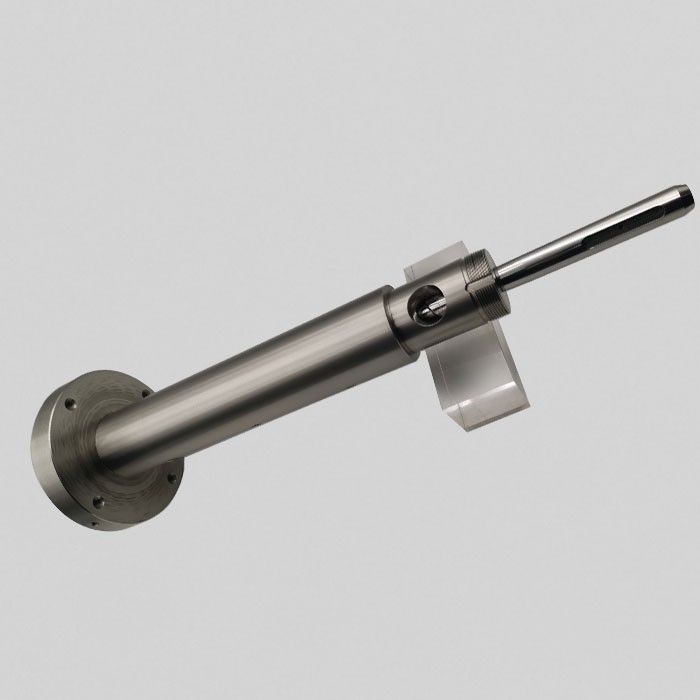
Another factor is the angle of the screw flights. The angle determines how easily the material can be pushed forward. A steeper angle can increase the conveying speed, but it might also cause the material to slip or create more wear on the screw and barrel. A shallower angle provides more gentle conveying, which can be better for delicate materials.
Now, let's talk about how these different screw flight shapes affect the quality of the extruded product. The way the material is conveyed through the barrel directly impacts the mixing, melting, and degassing processes. If the material isn't conveyed properly, you might end up with a product that has uneven properties. For example, if the material isn't mixed well, you could have areas of different color or density in the final product. If the melting isn't complete, you might have solid chunks in the extruded material.
When choosing the right screw flight shape for your extrusion process, you need to consider a few things. First, think about the type of material you're using. Different materials have different flow properties, and you need a screw flight shape that can handle those properties. For example, a highly viscous material might require a screw with more shear, like a screw with shallow flights. Second, consider your production requirements. If you need high throughput, a multi - flight or variable - pitch screw might be the best choice.
As a supplier of extrusion screw barrels, we understand that every extrusion process is unique. That's why we offer a wide range of screw flight shapes and configurations to meet your specific needs. Whether you're looking for a standard square - pitch screw or a custom - designed variable - pitch screw, we can help.
If you're in the market for an extrusion screw barrel and want to learn more about how the right screw flight shape can improve your material conveying and product quality, we'd love to hear from you. We can work with you to understand your requirements and recommend the best solution for your extrusion process. Just reach out to us, and let's start a conversation about how we can take your extrusion process to the next level.
In conclusion, the shape of the screw flights is a critical factor in material conveying in the screw barrel. It affects everything from the feed rate and compression of the material to the quality of the final product. By choosing the right screw flight shape, you can optimize your extrusion process and get the best results.
References
- "Extrusion of Polymers: Theory and Practice" by Christopher Rauwendaal
- "Handbook of Plastic Extrusion Technology" by James F. Carley