

Hey there! As a supplier of plastic injection screw barrels, I've seen firsthand how crucial every little detail can be when it comes to the plasticizing process. One factor that often gets overlooked but has a significant impact is the flight depth of a screw in a plastic injection screw barrel. In this blog, I'll break down how this flight depth influences plasticizing and why it matters to you.
Let's start by understanding what flight depth is. The flight of a screw is the helical ridge that runs along the length of the screw. The flight depth is the distance from the root of the flight to the outer diameter of the screw. It plays a key role in how the plastic material is conveyed, melted, and mixed within the barrel.
Conveyance of Plastic Material
The flight depth affects how the plastic pellets are initially conveyed from the hopper into the barrel. A deeper flight depth at the feed section of the screw allows for a larger volume of plastic pellets to be picked up and transported into the barrel. This is important because if the flight depth is too shallow, the screw may not be able to pick up enough material, leading to inconsistent feeding and potentially causing issues further down the line.
Imagine you're trying to scoop up a bunch of marbles with a small spoon. You'll only be able to get a few at a time. But if you use a larger spoon, you can pick up more marbles in one go. It's the same concept with the flight depth of a screw. A deeper flight can grab more plastic pellets, ensuring a steady and consistent flow of material into the barrel.
Melting Process
Once the plastic pellets are in the barrel, they need to be melted. The flight depth plays a role in this process as well. As the screw rotates, the plastic is compressed and sheared between the screw flights and the barrel wall. A deeper flight depth in the compression section of the screw allows for more space for the plastic to expand as it melts. This expansion is important because it helps to ensure that the plastic is fully melted and homogenized.
If the flight depth is too shallow in the compression section, the plastic may not have enough room to expand, leading to incomplete melting and uneven plasticizing. This can result in products with poor quality, such as voids, streaks, or inconsistent mechanical properties.
Mixing of Plastic Material
In addition to conveyance and melting, the flight depth also affects the mixing of the plastic material. A well-designed screw with the right flight depth can help to ensure that the plastic is thoroughly mixed, which is crucial for achieving consistent product quality.
As the plastic moves along the screw, the changing flight depth creates different levels of shear and pressure. This shear and pressure help to break up any agglomerates or unmelted particles in the plastic, ensuring that the final product has a uniform composition.
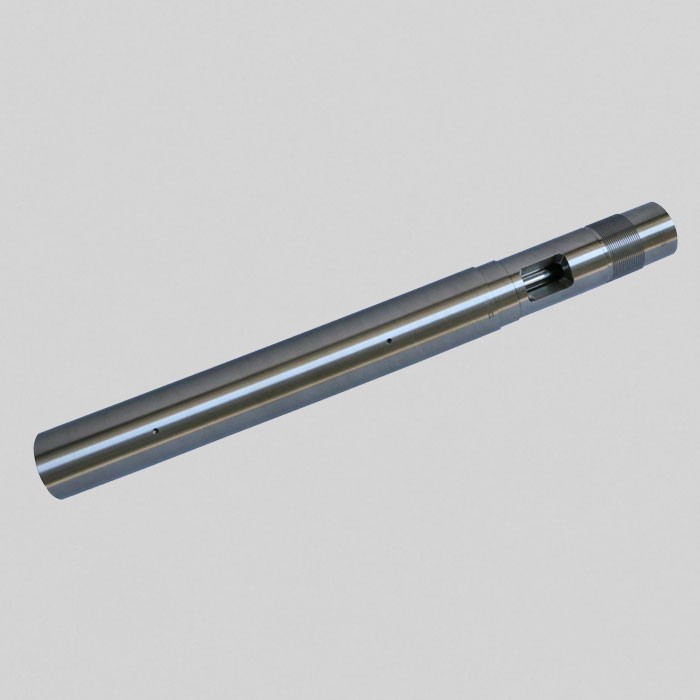
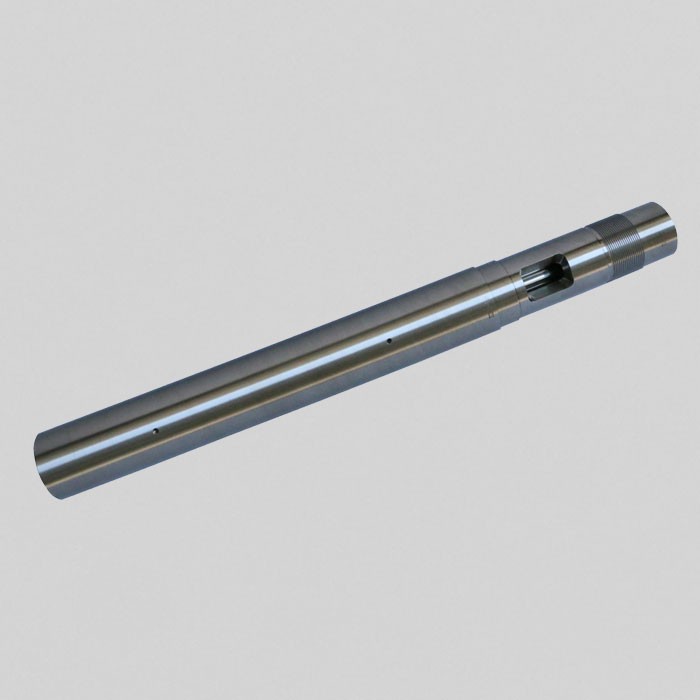
For example, a screw with a gradual decrease in flight depth from the feed section to the metering section can create a more efficient mixing process. The deeper flight at the feed section allows for easy pickup of the plastic pellets, while the shallower flight at the metering section provides more shear and pressure to mix the melted plastic.
Impact on Plasticizing Efficiency
The flight depth of a screw can have a significant impact on the overall plasticizing efficiency. A screw with the right flight depth can reduce the energy consumption and cycle time of the injection molding process.
When the flight depth is optimized, the plastic can be conveyed, melted, and mixed more efficiently. This means that the screw doesn't have to work as hard, reducing the energy required to operate the machine. Additionally, a more efficient plasticizing process can lead to shorter cycle times, which can increase the productivity of your injection molding operation.
Choosing the Right Flight Depth
So, how do you choose the right flight depth for your plastic injection screw barrel? Well, it depends on several factors, including the type of plastic material you're using, the size and shape of your product, and the requirements of your injection molding process.
For example, if you're working with a high-viscosity plastic material, you may need a screw with a deeper flight depth to ensure that the material can be conveyed and melted effectively. On the other hand, if you're working with a low-viscosity plastic material, a shallower flight depth may be sufficient.
It's also important to consider the size and shape of your product. If you're producing a large or complex product, you may need a screw with a deeper flight depth to ensure that the plastic can be evenly distributed throughout the mold.
At our company, we offer a wide range of Injection Screw Barrel with different flight depths to meet the needs of various applications. Our team of experts can help you choose the right screw for your specific requirements, ensuring that you get the best performance and quality from your injection molding process.
Bimetallic Barrels and Flight Depth
Another option to consider is using a Bimetallic Barrel for Injection Molding Machine. Bimetallic barrels are made from two different metals, typically a hard outer layer and a more ductile inner layer. This design provides excellent wear resistance and corrosion resistance, making it ideal for use in high-pressure and high-temperature injection molding applications.
The flight depth of a screw in a bimetallic barrel can also have a significant impact on plasticizing. The hard outer layer of the bimetallic barrel can help to maintain the shape and integrity of the screw flights, ensuring that the plastic is conveyed, melted, and mixed effectively.
Barrel in Injection Moulding and Flight Depth
The Barrel in Injection Moulding is another important component that works in conjunction with the screw. The inner surface of the barrel should be smooth and free of any defects to ensure that the plastic can flow easily.
The flight depth of the screw should be designed to work in harmony with the barrel. If the flight depth is too large, it may cause excessive wear on the barrel wall. On the other hand, if the flight depth is too small, it may not provide enough shear and pressure to plasticize the material effectively.
Conclusion
In conclusion, the flight depth of a screw in a plastic injection screw barrel plays a crucial role in the plasticizing process. It affects the conveyance, melting, and mixing of the plastic material, as well as the overall efficiency of the injection molding process.
Choosing the right flight depth for your specific application is essential for achieving high-quality products and maximizing the productivity of your injection molding operation. At our company, we have the expertise and experience to help you select the right screw and barrel combination for your needs.
If you're interested in learning more about our plastic injection screw barrels or have any questions about the flight depth and its influence on plasticizing, don't hesitate to reach out. We're here to help you take your injection molding process to the next level. Let's start a conversation and see how we can work together to meet your requirements.
References
- Tadmor, Z., & Gogos, C. G. (2006). Principles of Polymer Processing. Wiley-Interscience.
- Rosato, D. V., & Rosato, D. P. (2004). Injection Molding Handbook. Kluwer Academic Publishers.