

As a reliable supplier of extrusion barrels, I often encounter inquiries about how our extrusion barrels handle abrasive materials. In this blog, I will delve into the mechanisms, materials, and technologies that enable our extrusion barrels to effectively manage abrasive substances, ensuring long - term performance and reliability.
Understanding Abrasive Materials in Extrusion Processes
In the context of extrusion, abrasive materials are substances that can cause wear and tear on the equipment components due to their hard or rough nature. These materials commonly include glass - filled polymers, mineral - filled compounds, and some types of recycled plastics with embedded hard particles. When such materials are processed through an extruder, the friction between these abrasives and the inner surface of the extrusion barrel can lead to significant damage over time, such as surface roughening, corrosion, and reduced barrel diameter, all of which can affect the quality of the extruded products and the overall efficiency of the extrusion process.
Key Factors in Handling Abrasive Materials
1. Barrel Construction Materials
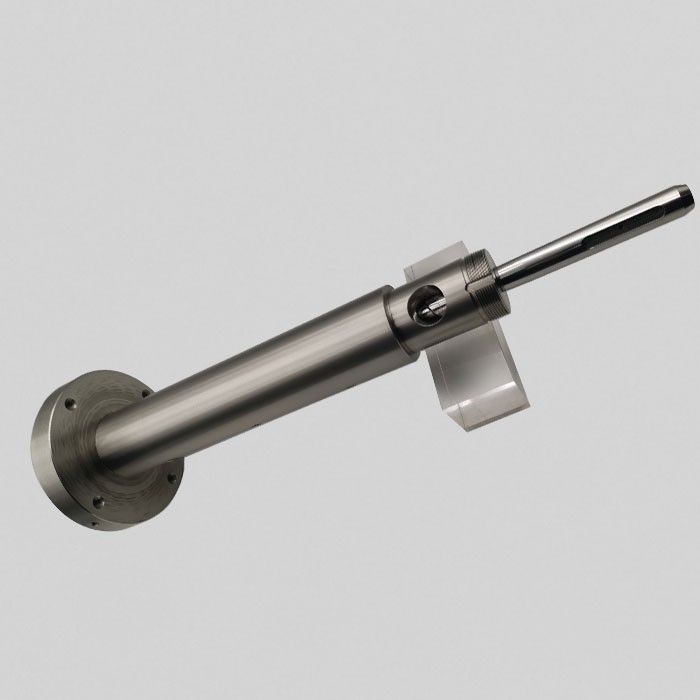
The choice of material for the extrusion barrel is crucial in handling abrasive materials. Our company offers extrusion barrels made from a variety of high - performance materials. One of the most commonly used materials is alloy steel. Alloy steels are known for their high strength and toughness, which provide a certain level of resistance to abrasion. For more demanding applications with extremely abrasive materials, we use special carbide - lined barrels. Carbide is a very hard material that can withstand high - pressure and high - friction environments. The carbide liner is bonded to the inner surface of the barrel, creating a highly wear - resistant layer. This not only prolongs the life of the barrel but also maintains the precision of the extrusion process. You can find more information about our barrel construction materials on our Barrel in Extruder page.
2. Surface Treatment Technologies
In addition to using high - quality materials, surface treatment is another effective way to enhance the abrasion resistance of the extrusion barrel. We employ advanced surface treatment processes such as nitriding and chrome plating. Nitriding is a heat - treatment process that diffuses nitrogen into the surface of the barrel material, forming a hard nitride layer. This layer significantly improves the surface hardness and wear resistance of the barrel. Chrome plating works by depositing a thin layer of chromium onto the inner surface of the barrel. The chrome layer is smooth, corrosion - resistant, and helps reduce friction between the barrel and the abrasive materials. These surface treatment technologies not only extend the service life of the barrel but also improve the extrusion efficiency by reducing the energy consumption caused by friction.
3. Geometric Design Optimization
The geometric design of the extrusion barrel also plays an important role in handling abrasive materials. The internal shape of the barrel, including the diameter, length, and screw channel geometry, can affect the flow pattern of the abrasive materials. A well - designed barrel can ensure a more uniform flow of the materials, reducing the local stress and wear on the barrel surface. For example, in some cases, we use a tapered barrel design at the feeding section to help the abrasive materials enter the barrel smoothly and evenly. This reduces the initial impact and wear on the barrel inlet. Our Barrel Screw Extruder page provides more detailed information about our geometric design concepts.
Performance and Benefits of Our Extrusion Barrels
1. Extended Service Life
One of the most significant benefits of our extrusion barrels when handling abrasive materials is their extended service life. Thanks to the use of high - quality materials, advanced surface treatment, and optimized geometric design, our barrels can withstand the long - term wear and tear caused by abrasive substances. This reduces the frequency of barrel replacement, saving both time and cost for our customers. Companies that have switched to our extrusion barrels for abrasive material processing have reported a significant reduction in maintenance costs and production downtime.
2. Consistent Product Quality
The ability of our extrusion barrels to handle abrasive materials without significant wear ensures the consistency of the extrusion process. As the barrel maintains its shape and surface integrity, the pressure and temperature distribution inside the barrel remain stable during the extrusion process. This leads to more uniform melting and mixing of the materials, resulting in higher - quality extruded products. Whether it is the dimensional accuracy or the surface finish of the products, our extrusion barrels can ensure that the final products meet the customer's high - quality standards.
3. Energy Efficiency
By reducing friction between the abrasive materials and the barrel surface through advanced surface treatment and optimized design, our extrusion barrels can achieve better energy efficiency. Less energy is wasted on overcoming the frictional resistance, which translates into lower energy consumption during the extrusion process. In today's environment where energy conservation is of great importance, this energy - saving feature of our extrusion barrels not only benefits our customers' bottom line but also contributes to a more sustainable manufacturing process.
Case Studies
Let's take a look at some real - world examples of how our extrusion barrels have successfully handled abrasive materials. A plastic manufacturing company was struggling with high costs and quality issues when processing glass - filled polymers in their old extrusion barrels. The excessive wear on the barrels led to frequent breakdowns and inconsistent product quality. After switching to our carbide - lined extrusion barrels with nitrided surfaces, they experienced a dramatic improvement. The service life of the barrels increased by more than three times, and the quality of the extruded glass - filled plastic products became more consistent. The company also reported a reduction in energy consumption of approximately 15% due to the lower friction in the new barrels.
Another case involves a recycled plastic processing plant that dealt with recycled plastics containing various hard particles. Our single - screw extruder screw barrels, designed with optimized geometry and advanced surface treatment, were able to handle these abrasive recycled materials effectively. The plant was able to increase its production efficiency by reducing the downtime caused by barrel maintenance and replacement. You can learn more about our single - screw extrusion solutions on our Single Screw Extruder Screw Barrel page.
Conclusion and Call to Action
In conclusion, our extrusion barrels are specifically designed to handle abrasive materials through a combination of high - performance materials, advanced surface treatment technologies, and optimized geometric design. The benefits of using our barrels include extended service life, consistent product quality, and energy efficiency. If you are facing challenges in processing abrasive materials with your current extrusion equipment, we invite you to contact us for a consultation. Our team of experts can provide you with customized solutions based on your specific needs. Whether you are looking to upgrade your existing extrusion line or starting a new project, we are confident that our extrusion barrels will meet and exceed your expectations.

References
- Smith, J. (2018). Abrasion Resistance in Extrusion Equipment. Journal of Plastics Manufacturing, 25(3), 123 - 135.
- Brown, A. (2019). Surface Treatment Technologies for Extrusion Barrels. Industrial Materials Research, 30(2), 89 - 98.
- Johnson, R. (2020). Geometric Design Optimization for Abrasive Material Extrusion. Extrusion Engineering Journal, 18(1), 45 - 57.