

In the highly competitive manufacturing landscape, understanding the factors that influence production costs is crucial for businesses aiming to optimize their operations and maintain a competitive edge. As a supplier of injection machine barrels, I've witnessed firsthand how cycle time can significantly impact the overall production cost. In this blog post, I'll delve into the relationship between cycle time and production cost, exploring the various ways in which cycle time affects different aspects of the manufacturing process.
Understanding Cycle Time
Before we dive into the impact of cycle time on production cost, let's first clarify what cycle time means in the context of injection molding. Cycle time refers to the total time required to complete one full cycle of the injection molding process, from the moment the mold closes to the point when the finished part is ejected. It encompasses several key stages, including mold closing, injection, cooling, and ejection. Each of these stages contributes to the overall cycle time, and any inefficiencies or delays at any point can have a significant impact on the production rate and cost.
The Direct Impact of Cycle Time on Production Cost
One of the most obvious ways in which cycle time affects production cost is through its impact on labor and machine utilization. In a manufacturing setting, labor and machine costs are often the two largest expenses. A longer cycle time means that each machine and operator is tied up for a longer period for each part produced. This reduces the number of parts that can be produced within a given time frame, effectively increasing the labor and machine cost per part.
For example, let's say you have an injection molding machine with an hourly operating cost of $50, including labor and machine depreciation. If the cycle time for a particular part is 60 seconds, you can produce 60 parts per hour. This means that the machine and labor cost per part is approximately $0.83. However, if the cycle time increases to 90 seconds, you can only produce 40 parts per hour, and the cost per part jumps to $1.25. As you can see, even a relatively small increase in cycle time can have a significant impact on the cost per part.
Energy Consumption and Cycle Time
Another important factor to consider is energy consumption. Injection molding machines require a significant amount of energy to operate, especially during the heating and cooling stages. A longer cycle time often means that the machine is running for a longer period, which in turn leads to higher energy consumption. This not only increases the direct energy cost but also has a broader environmental impact.
For instance, during the cooling stage, the machine needs to maintain a certain temperature to ensure proper solidification of the plastic. If the cycle time is extended, the cooling system has to work longer, consuming more electricity. By reducing the cycle time, you can minimize the amount of time the machine is in operation, thereby reducing energy consumption and costs.
Material Costs and Cycle Time
Cycle time can also influence material costs. In injection molding, the plastic material is heated and injected into the mold under high pressure. If the cycle time is too long, the plastic may degrade or lose its properties, leading to a higher rate of defective parts. Defective parts not only waste material but also require additional time and resources to rework or discard.
Moreover, a longer cycle time may also result in more material being left in the barrel between cycles. This residual material can harden and cause blockages or affect the quality of subsequent parts. By optimizing the cycle time, you can minimize material waste and ensure that the plastic is used efficiently, reducing overall material costs.
Quality and Cycle Time
Quality is another critical aspect affected by cycle time. A longer cycle time can lead to inconsistent cooling, which may result in warping, shrinkage, or other defects in the finished parts. These quality issues can lead to higher rejection rates, increasing the cost of production. On the other hand, a shorter cycle time allows for more consistent cooling and better control over the molding process, resulting in higher-quality parts with fewer defects.
For example, in the production of Sintered Hard Alloy Barrel for Injection Molding Machine, precise control of the cycle time is essential to ensure the proper formation of the alloy structure and the dimensional accuracy of the barrel. Any deviation in the cycle time can lead to quality issues, which may require additional processing or even render the part unusable.
Strategies to Reduce Cycle Time
Given the significant impact of cycle time on production cost, it's essential for manufacturers to implement strategies to reduce cycle time without compromising quality. Here are some effective strategies:
- Optimizing Mold Design: A well-designed mold can significantly reduce cycle time. For example, using a hot runner system can eliminate the need for cold runners, reducing the cooling time and allowing for faster injection. Additionally, proper venting and gate design can improve the flow of plastic, reducing the injection time.
- Upgrading Equipment: Investing in newer, more advanced injection molding machines can also help reduce cycle time. Modern machines often feature faster injection speeds, more efficient cooling systems, and better control over the molding process. For instance, Screw Barrel Injection Molding Machine with improved screw designs can provide better plasticization and faster injection, leading to shorter cycle times.
- Process Optimization: Analyzing and optimizing the injection molding process can also lead to significant cycle time reductions. This may involve adjusting the injection pressure, temperature, and cooling time based on the specific requirements of the part and the plastic material being used. For example, using a higher injection pressure can reduce the injection time, while optimizing the cooling time can prevent overcooling and reduce the overall cycle time.
Conclusion
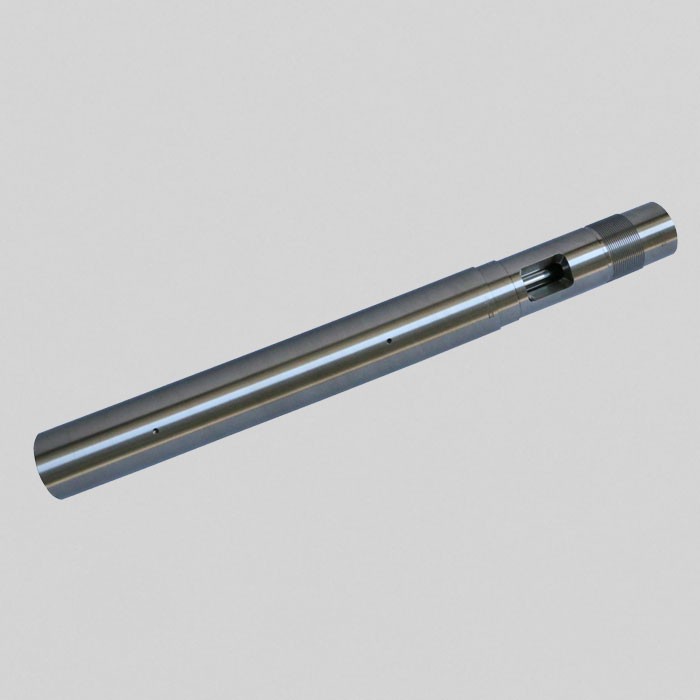
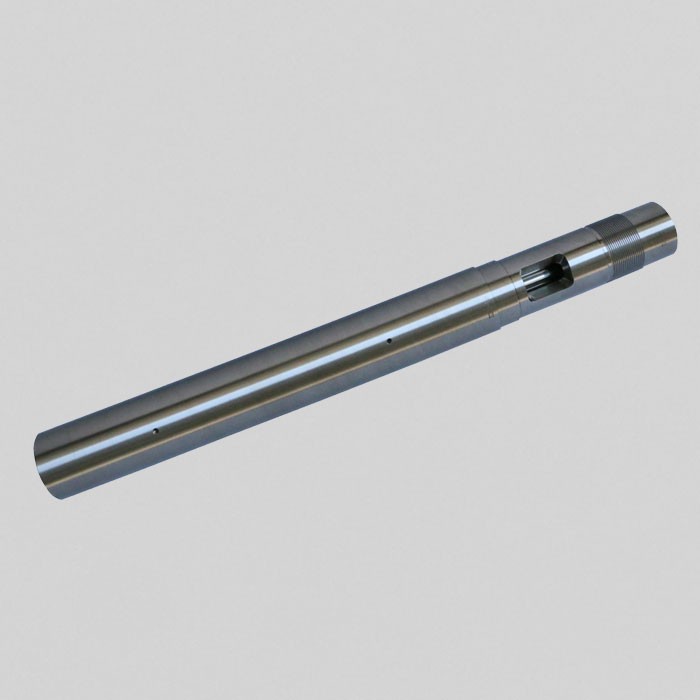
In conclusion, cycle time plays a crucial role in determining the overall production cost in injection molding. By understanding the various ways in which cycle time affects labor, machine utilization, energy consumption, material costs, and quality, manufacturers can take proactive steps to optimize their operations and reduce costs. As a supplier of Bimetallic Barrel for Injection Molding Machine and other injection machine barrels, I'm committed to providing high-quality products that can help improve the efficiency and performance of your injection molding process.
If you're interested in learning more about how our injection machine barrels can help you reduce cycle time and lower your production costs, or if you have any questions about our products, please don't hesitate to contact us. We'd be happy to discuss your specific needs and provide you with a customized solution.
References
- Campbell, F. C. (2012). Manufacturing Engineering & Technology. Pearson.
- Rosato, D. V., & Rosato, D. V. (2004). Injection Molding Handbook. Hanser Publishers.
- Throne, J. L. (1996). Plastics Rheology and Processing. Marcel Dekker.