

As a trusted supplier of injection machine barrels, I've had the privilege of witnessing the diverse range of materials used in crafting these essential components. Injection machine barrels play a pivotal role in the injection molding process, where they are responsible for heating, melting, and injecting plastic materials into molds to create a wide variety of products. The choice of material for these barrels is crucial as it directly impacts the performance, durability, and efficiency of the injection molding machine. In this blog, I'll delve into the different materials commonly used to make injection machine barrels, exploring their properties, advantages, and applications.
Carbon Steel
Carbon steel is one of the most basic materials used in the manufacturing of injection machine barrels. It is an alloy of iron and carbon, with carbon content typically ranging from 0.05% to 2.1%. Carbon steel barrels are known for their relatively low cost and good machinability, making them a popular choice for general-purpose injection molding applications.
One of the key advantages of carbon steel barrels is their high strength and toughness. They can withstand high pressures and temperatures during the injection molding process, ensuring reliable performance over an extended period. However, carbon steel is prone to corrosion and wear, especially when exposed to harsh chemicals or abrasive plastic materials. To mitigate these issues, carbon steel barrels are often coated with a protective layer, such as chrome or nickel, to enhance their corrosion resistance and wear properties.
Carbon steel barrels are commonly used in the production of low-cost plastic products, such as toys, household items, and packaging materials. They are also suitable for applications where the requirements for precision and surface finish are not extremely high.
Alloy Steel
Alloy steel is a type of steel that contains additional alloying elements, such as chromium, nickel, molybdenum, and vanadium, in addition to carbon. These alloying elements enhance the mechanical properties of the steel, making it stronger, harder, and more resistant to corrosion and wear than carbon steel.
Alloy steel barrels offer several advantages over carbon steel barrels. They have better heat resistance, which allows them to operate at higher temperatures without deforming or losing their strength. This makes them suitable for processing high-temperature plastics, such as polycarbonate, polysulfone, and polyphenylene sulfide. Alloy steel barrels also have improved wear resistance, which reduces the need for frequent replacement and maintenance, resulting in lower operating costs.
In addition to their excellent mechanical properties, alloy steel barrels can be heat-treated to achieve specific hardness and toughness levels, depending on the requirements of the application. This flexibility makes them a versatile choice for a wide range of injection molding applications, from automotive parts to medical devices.
Stainless Steel
Stainless steel is a corrosion-resistant alloy of iron, chromium, and other elements. It is known for its excellent resistance to rust, staining, and corrosion, making it an ideal material for injection machine barrels used in applications where hygiene and cleanliness are critical, such as the food and beverage industry, medical device manufacturing, and pharmaceutical production.
Stainless steel barrels offer several benefits in these applications. They are easy to clean and sterilize, which helps to prevent the growth of bacteria and other contaminants. They also have a smooth surface finish, which reduces the adhesion of plastic materials and makes it easier to remove any residue after the injection molding process.
In addition to its corrosion resistance, stainless steel has good mechanical properties, including high strength and toughness. It can withstand high pressures and temperatures without deforming or cracking, ensuring reliable performance in demanding injection molding applications. However, stainless steel is more expensive than carbon steel and alloy steel, which may limit its use in some cost-sensitive applications.
Bimetallic Barrels
Bimetallic barrels are composite barrels that consist of two different materials: a base material and a lining material. The base material provides the structural strength and support, while the lining material is responsible for the wear and corrosion resistance.
The most common combination of materials used in bimetallic barrels is a carbon steel or alloy steel base with a hard-facing alloy lining. The hard-facing alloy is typically a high-chromium or nickel-based alloy that is applied to the inner surface of the barrel using a welding or thermal spraying process. This creates a hard, wear-resistant layer that can withstand the abrasive action of plastic materials and the high pressures and temperatures of the injection molding process.
Bimetallic barrels offer several advantages over single-material barrels. They provide a cost-effective solution for applications where high wear resistance is required, as the hard-facing alloy lining can be replaced when it wears out, without having to replace the entire barrel. They also offer better performance and durability than single-material barrels, as the combination of the base material and the lining material allows for the optimization of the mechanical properties of the barrel.
Bimetallic barrels are widely used in the injection molding of engineering plastics, such as nylon, polypropylene, and polyethylene, as well as in the production of high-precision parts, such as automotive components and electronic devices.
Sintered Hard Alloy Barrel for Injection Molding Machine
Sintered hard alloy, also known as cemented carbide, is a composite material made of tungsten carbide particles bonded together with a metallic binder, such as cobalt. It is one of the hardest and most wear-resistant materials available, making it an ideal choice for injection machine barrels used in high-wear applications.
Sintered hard alloy barrels offer exceptional wear resistance, even when processing highly abrasive plastic materials, such as filled plastics and recycled plastics. They also have excellent heat resistance, which allows them to operate at high temperatures without losing their hardness or strength. This makes them suitable for processing high-temperature plastics and for use in high-speed injection molding machines.
In addition to their outstanding wear and heat resistance, sintered hard alloy barrels have a high level of dimensional stability, which ensures precise and consistent performance over an extended period. They are also resistant to corrosion and chemical attack, making them suitable for use in harsh environments.
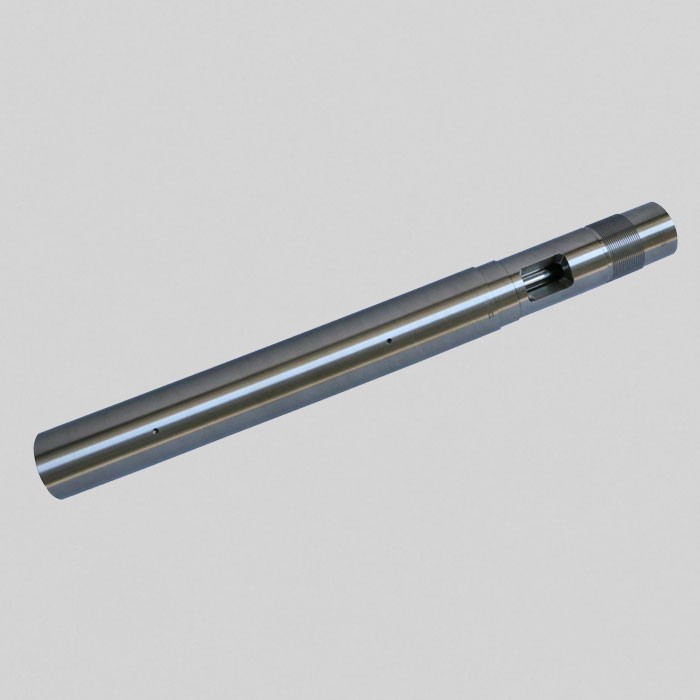

However, sintered hard alloy barrels are more expensive than other types of barrels, and they are also more difficult to machine and repair. As a result, they are typically used in applications where the requirements for wear resistance and performance are extremely high, such as the production of high-quality automotive parts, aerospace components, and precision medical devices.
Conclusion
The choice of material for injection machine barrels depends on a variety of factors, including the type of plastic material being processed, the operating conditions of the injection molding machine, the required level of performance and durability, and the budget. Each material has its own unique properties and advantages, and the selection of the appropriate material is crucial to ensure the efficient and reliable operation of the injection molding process.
As a supplier of injection machine barrels, we offer a wide range of materials and configurations to meet the diverse needs of our customers. Whether you are looking for a cost-effective carbon steel barrel for general-purpose applications or a high-performance sintered hard alloy barrel for demanding high-wear applications, we have the expertise and experience to provide you with the right solution.
If you are interested in learning more about our injection machine barrels or would like to discuss your specific requirements, please feel free to contact us. Our team of experts is ready to assist you in selecting the most suitable barrel for your injection molding needs and to provide you with professional advice and support throughout the purchasing process.
References
- "Injection Molding Handbook" by O. Olabisi
- "Plastics Materials and Processing" by James F. Carley
- "Handbook of Plastic Materials and Technology" edited by Irving I. Rubin