

Hey there! As a supplier of PVD coated screws, I often get asked about the standard quality control for these little but crucial components. So, I thought I'd share some insights on what goes into ensuring top - notch PVD coated screws.
What's PVD Coating Anyway?
First off, let's quickly cover what PVD coating is. PVD stands for Physical Vapor Deposition. It's a process where a thin film is deposited onto the surface of the screw. This film can offer a bunch of benefits like increased hardness, better corrosion resistance, and improved wear resistance. It's like giving your screw a super - powered armor!
Raw Material Inspection
The quality control process starts way before the PVD coating step. It all begins with the raw materials. We carefully select the steel for our screws. The steel has to meet certain chemical composition standards. For example, the carbon content, which affects the hardness of the screw, needs to be within a specific range. We also check for impurities. Any foreign particles in the steel can weaken the screw and cause problems down the line.
We use advanced testing methods like spectroscopy to analyze the chemical composition of the steel. This helps us make sure we're starting with the best possible material for our screws. It's like building a house - you want a solid foundation, right?
Machining Quality
Once we have the right raw material, it's time to machine the screws. The machining process is crucial as it determines the dimensions and shape of the screw. The thread pitch, diameter, and length of the screw all need to be precise. Even a tiny deviation can lead to problems when the screw is used in an application.

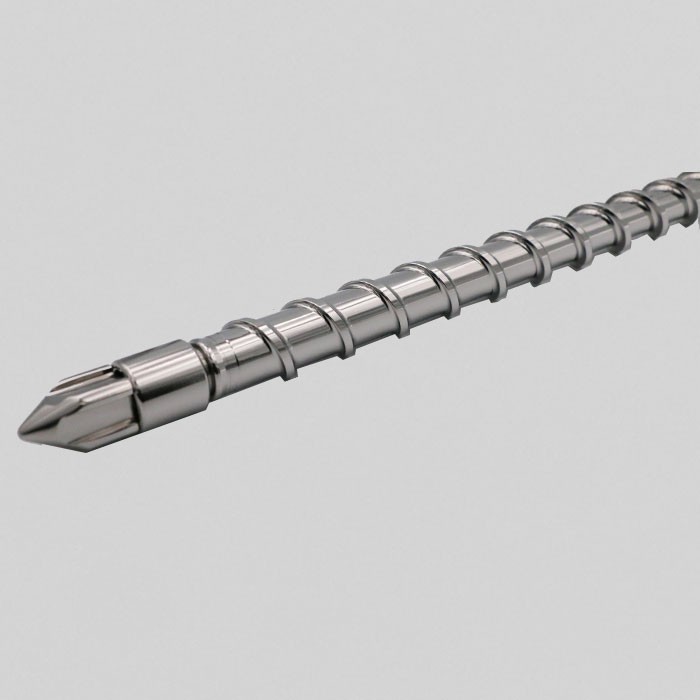
We use high - precision CNC machines to ensure accurate machining. These machines are programmed to cut and shape the screws to the exact specifications. After machining, we measure the screws using tools like calipers and micrometers. Any screw that doesn't meet the specified dimensions is rejected. It's all about getting those measurements just right.
Surface Preparation
Before the PVD coating can be applied, the screw surface needs to be properly prepared. This involves cleaning the screw to remove any dirt, oil, or debris. We use ultrasonic cleaning methods, which are really effective at getting rid of contaminants. The surface also needs to be roughened slightly to improve the adhesion of the PVD coating.
We use techniques like sandblasting to create a micro - rough surface on the screw. This gives the PVD coating something to grip onto, ensuring a strong bond. If the surface isn't prepared correctly, the coating might peel off or not perform as expected.
PVD Coating Process Control
The PVD coating process itself is highly controlled. We have to maintain specific parameters like temperature, pressure, and gas flow rates. These parameters affect the quality and properties of the coating. For example, the temperature during the coating process can influence the hardness and density of the coating.
We use sensors and monitoring systems to keep a close eye on these parameters. If any parameter goes out of the specified range, the process is adjusted immediately. This helps us ensure that each screw gets a consistent and high - quality coating.
Coating Thickness and Adhesion Testing
After the PVD coating is applied, we test the coating thickness. The thickness of the coating is important as it affects the performance of the screw. Too thin, and the coating might not provide enough protection. Too thick, and it could cause problems with the fit of the screw.
We use methods like X - ray fluorescence to measure the coating thickness. This non - destructive testing method allows us to accurately determine the thickness without damaging the screw.
We also test the adhesion of the coating. A coating that doesn't adhere well to the screw is useless. We use a scratch test, where a diamond tip is used to scratch the coating surface. By measuring the force required to remove the coating, we can assess its adhesion strength.
Corrosion and Wear Resistance Testing
One of the main reasons for applying a PVD coating to a screw is to improve its corrosion and wear resistance. We conduct various tests to evaluate these properties.
For corrosion testing, we use salt spray tests. The screws are placed in a chamber where they are exposed to a salt - water mist for a certain period. After the test, we examine the screws for signs of corrosion. This helps us ensure that the PVD coating can protect the screw in harsh environments.
Wear resistance is tested using a pin - on - disk test. A pin is rubbed against the coated screw surface under a specific load and speed. By measuring the amount of wear on the coating, we can determine its wear resistance.
Final Inspection
After all the testing and quality control steps, we do a final inspection of the screws. We visually inspect the screws for any surface defects like cracks or chips. We also check the coating appearance. The coating should have a uniform color and finish.
Any screw that fails the final inspection is removed from the batch. This ensures that only the highest - quality PVD coated screws reach our customers.
Our Product Range
We offer a wide range of PVD coated screws, including Halogen-free Screw, Fully Hardened Alloy Screw for Injection Molding Machine, and Bimetallic Screw for Injection Molding Machine. Each of these products goes through the same rigorous quality control process to ensure they meet the highest standards.
Why Quality Control Matters
Quality control is not just about meeting standards; it's about providing our customers with reliable products. A high - quality PVD coated screw can improve the performance and lifespan of the equipment it's used in. It can also reduce maintenance costs and downtime. When our customers use our screws, they can be confident that they're getting a product that will work well and last.
Get in Touch
If you're in the market for high - quality PVD coated screws, we'd love to hear from you. Whether you need a small batch for a prototype or a large order for mass production, we can help. Our team of experts is always ready to answer your questions and provide you with the best solutions. Contact us to start a discussion about your screw requirements.
References
- ASM Handbook Volume 5: Surface Engineering.
- ISO standards related to screw manufacturing and quality control.
- Technical papers on PVD coating technology.