

The venting system in an extruder barrel plays a crucial role in the overall performance and quality of the extrusion process. As a trusted extruder barrel supplier, we understand the significance of this component and its impact on the efficiency and output of extrusion operations. In this blog, we will delve into the various functions and importance of the venting system in an extruder barrel.
1. Removal of Volatile Components
One of the primary functions of the venting system in an extruder barrel is to remove volatile components from the polymer melt. During the extrusion process, polymers are subjected to high temperatures and pressures, which can cause the release of volatile substances such as moisture, monomers, solvents, and other low - molecular - weight compounds. These volatile components can have a detrimental effect on the quality of the final product.
For example, if moisture is present in the polymer melt, it can lead to bubble formation in the extruded product. These bubbles can weaken the mechanical properties of the material, reduce its aesthetic appeal, and cause surface defects. By using a venting system, these volatile components can be effectively removed from the melt. The vent port in the extruder barrel is typically located at a point where the pressure in the barrel is low enough to allow the volatiles to escape. The volatiles are then removed through a vacuum system connected to the vent port.
2. Prevention of Degradation
The presence of volatile components in the polymer melt can also lead to polymer degradation. When polymers are exposed to high temperatures in the presence of moisture or other reactive volatiles, chemical reactions can occur that break down the polymer chains. This degradation can result in a decrease in the molecular weight of the polymer, which in turn affects its physical and mechanical properties.
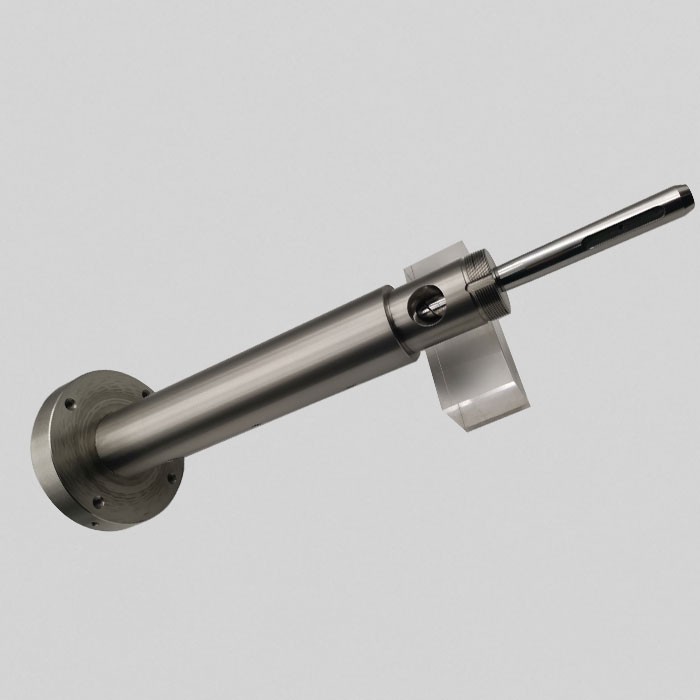

The venting system helps to prevent such degradation by removing the volatile components before they can cause damage to the polymer. By maintaining a low concentration of volatiles in the melt, the extruder can operate under more stable conditions, and the quality of the extruded product can be improved. For instance, in the production of high - performance plastics, the prevention of degradation is crucial to ensure that the final product meets the required specifications.
3. Improvement of Extrusion Efficiency
A well - designed venting system can also improve the efficiency of the extrusion process. When volatiles are removed from the melt, the viscosity of the polymer can be more consistent. This consistency in viscosity allows for better control of the extrusion process, as the flow of the melt through the die is more predictable.
Moreover, the removal of volatiles can reduce the pressure fluctuations in the extruder barrel. Pressure fluctuations can cause problems such as uneven extrudate dimensions, surface roughness, and even die drool. By eliminating these issues, the venting system helps to increase the production speed and reduce the amount of scrap material. This leads to a more cost - effective extrusion operation.
4. Enhancing Product Quality
The venting system has a direct impact on the quality of the extruded product. As mentioned earlier, the removal of volatile components prevents bubble formation and polymer degradation, which are major factors affecting product quality. In addition, the venting system can also help to improve the surface finish of the extruded product.
For example, in the production of plastic films or sheets, a smooth surface finish is often required. Volatile components can cause surface defects such as pits, streaks, or unevenness. By removing these volatiles, the venting system ensures that the extruded product has a high - quality surface finish. This is especially important in applications where the appearance of the product is critical, such as in packaging or consumer goods.
5. Compatibility with Different Polymers
Different polymers have different requirements when it comes to the removal of volatile components. Some polymers, such as polycarbonate, are more sensitive to moisture and require more efficient venting systems. Other polymers, like polypropylene, may have lower levels of volatiles but still benefit from the removal of any remaining impurities.
As an extruder barrel supplier, we offer venting systems that are designed to be compatible with a wide range of polymers. Our Plastic Extruder Screw Barrel and Extrusion Screw Barrel are equipped with venting ports and vacuum systems that can be customized to meet the specific needs of different polymers. This ensures that our customers can achieve optimal results when extruding various types of polymers.
6. Maintenance and Design Considerations
Proper maintenance of the venting system is essential to ensure its effective operation. The vent ports can become clogged with polymer or other debris over time, which can reduce the efficiency of the venting process. Regular cleaning of the vent ports and the associated vacuum lines is necessary to prevent such blockages.
In terms of design, the location and size of the vent ports are critical factors. The vent ports should be located at a point in the extruder barrel where the pressure is low enough for the volatiles to escape, but not so low that the polymer melt can be drawn into the vacuum system. The size of the vent ports should be large enough to allow for the efficient removal of volatiles, but not so large that it compromises the structural integrity of the barrel. Our Extruder Screw Barrel is designed with these considerations in mind, ensuring reliable and efficient venting performance.
Conclusion
In conclusion, the venting system in an extruder barrel is a vital component that significantly impacts the quality, efficiency, and performance of the extrusion process. It helps to remove volatile components, prevent polymer degradation, improve extrusion efficiency, enhance product quality, and is compatible with different polymers.
As a leading extruder barrel supplier, we are committed to providing high - quality extruder barrels with advanced venting systems. Our products are designed to meet the diverse needs of our customers and to ensure optimal performance in various extrusion applications. If you are looking for a reliable extruder barrel with an efficient venting system, we invite you to contact us for further discussion and procurement. We look forward to working with you to achieve your extrusion goals.
References
- Rauwendaal, C. (1986). Polymer Extrusion. Hanser Publishers.
- Tadmor, Z., & Gogos, C. G. (2006). Principles of Polymer Processing. Wiley - Interscience.