

As a supplier of barrel screw extruders, ensuring the high - quality of extrudates is of utmost importance. In this blog, we'll delve into the key aspects of extrudate quality control in a barrel screw extruder.
Understanding the Basics of Barrel Screw Extruders
Barrel screw extruders are widely used in various industries, including plastics, food, and pharmaceuticals. The basic principle involves a screw rotating within a barrel. As the screw turns, it conveys the raw material along the barrel, where it is melted, mixed, and finally extruded through a die to form the desired product.
Factors Affecting Extrudate Quality
1. Screw Design
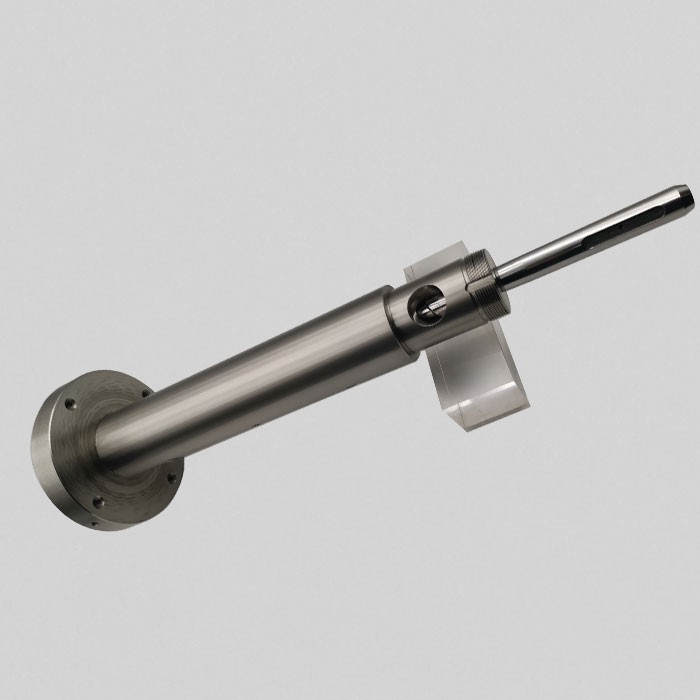
The screw design plays a crucial role in determining the extrudate quality. Different screw geometries are available, each suitable for specific materials and processing requirements. For instance, a screw with a long compression section can provide better melting and mixing for highly viscous materials. A well - designed screw should ensure uniform conveyance, melting, and pressure build - up. Our Single Screw Extruder Screw Barrel is engineered with precision to meet diverse processing needs, providing excellent performance in terms of extrudate quality.
2. Material Characteristics
The properties of the raw material have a direct impact on the extrudate quality. Factors such as particle size, moisture content, and viscosity need to be carefully considered. For example, if the moisture content of a plastic material is too high, it can lead to bubbles or voids in the extrudate. Therefore, proper pre - processing of the raw material, such as drying, is often necessary. In the case of our Plastic Extruder Screw Barrel, we take into account the wide range of plastic material characteristics to optimize the extrusion process.
3. Barrel Temperature
Temperature control within the barrel is critical for achieving high - quality extrudates. Different zones of the barrel may require different temperatures to ensure proper melting, mixing, and flow of the material. If the temperature is too low, the material may not melt completely, resulting in a non - uniform extrudate. On the other hand, if the temperature is too high, the material may degrade, leading to poor mechanical properties and appearance. Our Extruder Barrel Temperature Control system is designed to provide accurate and stable temperature regulation throughout the extrusion process.
4. Screw Speed
The speed of the screw affects the residence time of the material in the barrel and the shear rate applied to the material. A higher screw speed generally leads to a shorter residence time and higher shear, which can improve mixing but may also cause over - heating and degradation of the material. Conversely, a lower screw speed may result in insufficient mixing and a non - uniform extrudate. Finding the optimal screw speed is essential for achieving the desired extrudate quality.
5. Die Design
The die is the final component through which the extrudate passes. Its design determines the shape and dimensions of the extruded product. A well - designed die should ensure uniform flow of the material, minimizing pressure variations and preventing the formation of defects such as weld lines or surface roughness. The die must also be properly maintained to avoid clogging and wear, which can negatively impact the extrudate quality.

Quality Control Measures
1. In - process Monitoring
Continuous monitoring of key process parameters during extrusion is essential for quality control. This includes monitoring temperature, pressure, screw speed, and torque. By collecting and analyzing this data in real - time, operators can detect any deviations from the optimal process conditions and take corrective actions promptly. For example, if the pressure in the barrel suddenly increases, it may indicate a blockage in the die or a problem with the screw.
2. Sampling and Testing
Regular sampling of the extrudate is necessary to assess its quality. Various tests can be conducted, such as dimensional measurements, mechanical property testing, and visual inspection. Dimensional accuracy is crucial, especially for products with tight tolerances. Mechanical property testing, such as tensile strength and hardness testing, can ensure that the extrudate meets the required performance standards. Visual inspection can detect surface defects, such as scratches, bubbles, or color variations.
3. Process Optimization
Based on the results of in - process monitoring and sampling, the extrusion process can be optimized. This may involve adjusting the screw speed, barrel temperature, or other process parameters to achieve the best possible extrudate quality. Additionally, continuous improvement of the screw and die design can also enhance the overall quality of the extruded products.
Importance of Extrudate Quality Control
Extrudate quality control is not only important for meeting customer requirements but also for ensuring the efficiency and profitability of the extrusion process. High - quality extrudates reduce waste, minimize rework, and enhance the reputation of the manufacturer. In industries such as medical devices and food packaging, where product safety and quality are of utmost importance, strict quality control measures are mandatory.
Conclusion
In conclusion, extrudate quality control in a barrel screw extruder is a complex but essential process. It involves considering multiple factors, including screw design, material characteristics, barrel temperature, screw speed, and die design. By implementing effective quality control measures such as in - process monitoring, sampling and testing, and process optimization, manufacturers can produce high - quality extruded products consistently.
If you are interested in our barrel screw extruders and want to discuss your specific requirements for extrudate quality control, please feel free to contact us for a detailed procurement discussion. We are committed to providing you with the best solutions for your extrusion needs.
References
- Tadmor, Z., & Gogos, C. G. (2006). Principles of Polymer Processing. Wiley - Interscience.
- Rauwendaal, C. (2014). Polymer Extrusion. Hanser Publishers.