

Hey there! As a supplier of injection molding barrels, I've been getting a lot of questions lately about how the internal surface finish of the barrel affects plastic flow. So, I thought I'd take a deep dive into this topic and share some insights with you all.
Let's start by understanding what plastic flow is in the context of injection molding. When we're using an injection molding machine, plastic pellets are fed into the barrel. The barrel heats up these pellets, turning them into a molten state. Then, a screw inside the barrel pushes this molten plastic through a nozzle and into a mold cavity. The way this molten plastic moves, or flows, within the barrel and into the mold is crucial for the quality of the final product.
Now, let's talk about the internal surface finish of the barrel. The surface finish refers to how smooth or rough the inside of the barrel is. It can range from a very smooth mirror - like finish to a relatively rough texture.
The Impact of a Smooth Surface Finish on Plastic Flow
A smooth internal surface finish in the injection molding barrel offers several advantages when it comes to plastic flow. First off, it reduces friction. When the plastic is flowing through the barrel, less friction means it can move more freely. This is especially important for high - viscosity plastics. These plastics are thick and don't flow easily. With a smooth surface, the resistance they encounter is minimized, allowing them to travel through the barrel and into the mold at a more consistent rate.
For example, if you're working with engineering plastics like polycarbonate or nylon, which have high viscosities, a smooth barrel surface can prevent the plastic from getting stuck or shearing unevenly. Shearing occurs when different layers of the plastic move at different speeds, and it can lead to issues like burn marks or inconsistent part quality.
Another benefit of a smooth surface is that it promotes better heat transfer. In the injection molding process, heat is used to melt the plastic. A smooth barrel surface allows for more efficient heat transfer from the barrel walls to the plastic. This ensures that the plastic melts evenly and maintains a consistent temperature throughout the flow process. As a result, the plastic can fill the mold cavity more uniformly, reducing the chances of defects like voids or warping in the final product.
We offer Injection Screw Barrel with a very smooth internal surface finish. Our manufacturing process uses advanced polishing techniques to achieve a surface that is almost frictionless for the plastic to flow on.
The Effects of a Rough Surface Finish on Plastic Flow
On the other hand, a rough internal surface finish can have both positive and negative impacts on plastic flow. One of the positive aspects is that it can increase the mixing of the plastic. When the plastic moves over a rough surface, it gets turbulent. This turbulence causes the different components of the plastic, such as additives or colorants, to mix more thoroughly. For some applications, like when you need a well - blended plastic with consistent color or properties, a slightly rough surface can be beneficial.
However, the negative effects often outweigh the positives. A rough surface increases friction significantly. This can lead to higher energy consumption because the screw has to work harder to push the plastic through the barrel. Moreover, the increased friction can cause excessive heat generation. This extra heat can degrade the plastic, changing its chemical properties and reducing its strength.
In addition, a rough surface can cause the plastic to adhere to the barrel walls. This build - up of plastic over time can clog the barrel and disrupt the flow. It also requires more frequent cleaning and maintenance of the barrel, which can increase production downtime and costs.
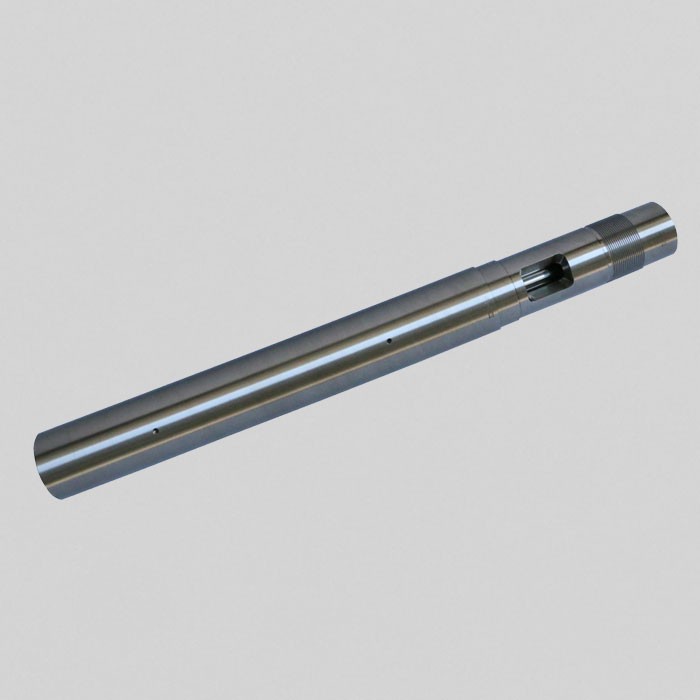
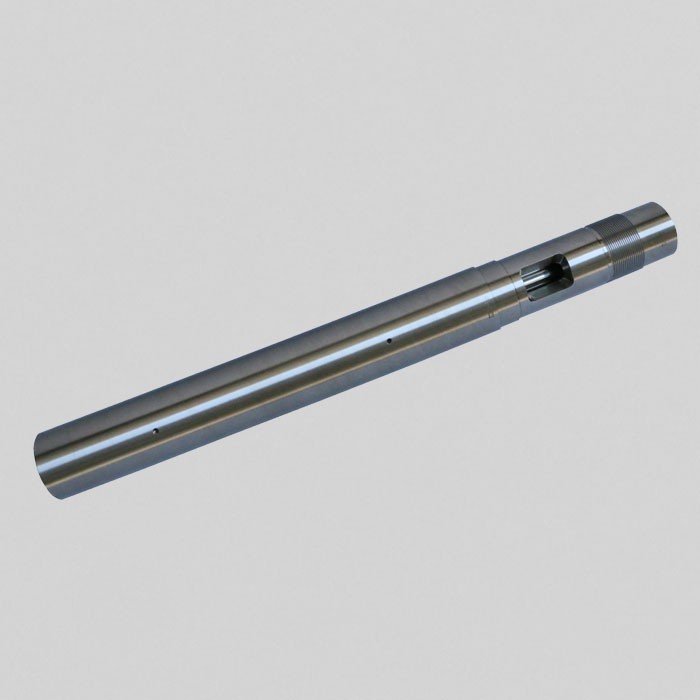
Our Sintered Hard Alloy Barrel for Injection Molding Machine is designed to have a controlled surface finish. We can adjust the roughness to meet specific customer requirements, whether it's for better mixing or to balance other factors in the plastic flow process.
Surface Finish and Plastic Degradation
The internal surface finish of the barrel also plays a role in plastic degradation. As mentioned earlier, a rough surface can generate excessive heat due to friction. This heat can break down the polymer chains in the plastic, leading to degradation. Degraded plastic has poor mechanical properties, such as reduced strength and toughness. It can also cause issues like discoloration and a decrease in the overall quality of the final product.
A smooth surface, on the other hand, minimizes the heat generated by friction. This helps to keep the plastic in its optimal state during the flow process, reducing the risk of degradation. By choosing the right surface finish for your injection molding barrel, you can ensure that the plastic retains its properties and the final product meets the required quality standards.
Choosing the Right Surface Finish for Your Application
Selecting the appropriate internal surface finish for your injection molding barrel depends on several factors. The type of plastic you're using is a major consideration. As we've discussed, high - viscosity plastics generally benefit from a smooth surface, while some plastics that require better mixing might tolerate or even benefit from a slightly rough surface.
The design of the part you're molding also matters. If you're creating a complex part with thin walls or intricate details, a smooth surface finish is usually preferred. This ensures that the plastic can flow into all the nooks and crannies of the mold cavity without any issues.
Our Injection Machine Barrel comes in different surface finish options. We work closely with our customers to understand their specific needs and recommend the best surface finish for their application. Whether you're a small - scale manufacturer or a large - scale production facility, we can provide the right barrel to optimize your plastic flow and improve your part quality.
Conclusion
In conclusion, the internal surface finish of the injection molding barrel has a significant impact on plastic flow. A smooth surface reduces friction, promotes better heat transfer, and minimizes the risk of plastic degradation. A rough surface can increase mixing but also comes with drawbacks like increased friction and the potential for plastic build - up.
If you're in the market for an injection molding barrel and want to optimize your plastic flow, we're here to help. We have a wide range of barrels with different surface finishes to suit your specific requirements. Whether you're dealing with high - viscosity plastics or need better mixing for your parts, we can provide the perfect solution.
Don't hesitate to reach out to us for more information or to start a discussion about your injection molding needs. We're eager to work with you and help you achieve the best results in your production process.
References
- Throne, J. L. (1996). Polymer Rheology in Injection Molding. Marcel Dekker.
- Osswald, T. A., & Turng, L. - S. (2006). Injection Molding Handbook. Hanser Publishers.