

When it comes to the performance of extruder bimetallic barrels, different brands can exhibit significant disparities. As a seasoned supplier of extruder bimetallic barrels, I've witnessed firsthand how these variations can impact the overall efficiency and quality of extrusion processes. In this blog, we'll delve into the key factors that contribute to the performance differences among various brands of extruder bimetallic barrels.
Material Quality and Composition
One of the primary determinants of an extruder bimetallic barrel's performance is the quality and composition of the materials used in its construction. High - quality bimetallic barrels are typically made from a combination of a tough outer shell and a wear - resistant inner lining. The outer shell provides structural integrity, while the inner lining comes into direct contact with the extruded material and must withstand abrasion, corrosion, and high temperatures.
Some brands use premium alloys for the inner lining, which offer superior hardness and wear resistance. For example, tungsten carbide - based alloys are known for their excellent abrasion resistance, making them ideal for applications involving abrasive materials such as glass - filled polymers. On the other hand, lower - quality brands may use less expensive alloys or have a thinner inner lining, which can lead to premature wear and reduced barrel lifespan.
The bonding process between the outer shell and the inner lining also plays a crucial role. A strong bond ensures that the two layers work together effectively, preventing delamination and maintaining the barrel's structural integrity. Brands that invest in advanced bonding technologies are more likely to produce barrels with better performance and reliability.
Manufacturing Precision
Precision in manufacturing is another critical factor that affects the performance of extruder bimetallic barrels. The inner diameter of the barrel must be machined to very tight tolerances to ensure consistent material flow and proper screw - barrel clearance. Any deviation in the inner diameter can lead to uneven pressure distribution, which may result in poor extrusion quality, such as inconsistent melt temperature and product dimensions.
High - end brands typically use state - of the - art machining equipment and strict quality control measures to ensure the accuracy of their barrels. They may also conduct extensive testing during the manufacturing process to detect and correct any potential issues. In contrast, some lower - cost brands may cut corners on manufacturing precision, leading to barrels with sub - optimal performance.
Heat Transfer Efficiency
Efficient heat transfer is essential for maintaining a consistent melt temperature during the extrusion process. Different brands of extruder bimetallic barrels can vary significantly in their heat transfer capabilities. The material properties of the barrel, as well as its design, influence how effectively heat is transferred from the heating elements to the extruded material.
Barrels with good heat transfer efficiency can heat up and cool down quickly, allowing for faster start - up times and better control of the extrusion process. This is particularly important in applications where precise temperature control is required, such as in the production of high - performance polymers. Some brands may incorporate special features, such as internal cooling channels or improved surface finishes, to enhance heat transfer.
You can learn more about Extruder Barrel Temperature Control on our website, which provides in - depth information on how to optimize the temperature management of extruder barrels.
Wear Resistance and Corrosion Resistance
Extrusion processes often involve materials that are abrasive or corrosive, so the wear and corrosion resistance of the extruder bimetallic barrel are of utmost importance. Brands that use high - quality alloys and advanced surface treatments can offer barrels with superior wear and corrosion resistance.
For instance, some barrels are treated with nitriding or hard chrome plating to increase their surface hardness and resistance to corrosion. These treatments can significantly extend the barrel's lifespan, especially in harsh operating environments. In contrast, barrels from brands that do not prioritize wear and corrosion resistance may need to be replaced more frequently, leading to higher operating costs.
Compatibility with Extruder Screws
The compatibility between the extruder bimetallic barrel and the screw is crucial for optimal performance. The screw - barrel clearance must be carefully matched to ensure proper material conveyance, melting, and mixing. Different brands of barrels may have slightly different geometries and clearances, which can affect how well they work with specific screws.

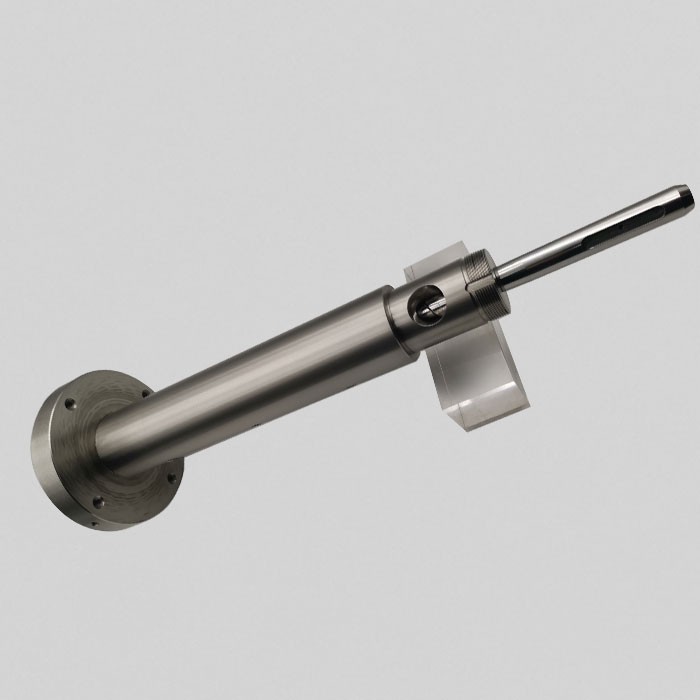
A well - matched screw - barrel combination can improve extrusion efficiency, reduce energy consumption, and enhance product quality. Brands that offer a wide range of barrel sizes and configurations are more likely to provide a better fit for different types of extruder screws. You can explore our Single Screw Extruder Screw Barrel options, which are designed to work seamlessly with various screw designs.
Performance in Specific Applications
The performance of extruder bimetallic barrels can also vary depending on the specific application. For example, in the food processing industry, barrels need to meet strict hygiene standards and be resistant to food - related corrosion. Brands that have experience in manufacturing barrels for food applications will typically use food - grade materials and special surface finishes to ensure compliance.
In the plastics industry, different types of polymers require different barrel performance characteristics. For example, processing high - viscosity polymers may require barrels with better heat transfer and pressure - handling capabilities. Brands that understand the unique requirements of different applications can develop barrels that are optimized for specific industries and materials.
Cost - Performance Ratio
While high - quality extruder bimetallic barrels from premium brands may have a higher upfront cost, they often offer a better cost - performance ratio in the long run. These barrels tend to have a longer lifespan, require less maintenance, and can produce higher - quality products, which can lead to cost savings over time.
On the other hand, lower - cost barrels may seem like a more attractive option initially, but they may result in higher operating costs due to frequent replacements and reduced productivity. When choosing a brand of extruder bimetallic barrels, it's important to consider the overall cost - performance ratio rather than just the upfront price.
Conclusion
In conclusion, the performance differences between different brands of extruder bimetallic barrels are influenced by a variety of factors, including material quality, manufacturing precision, heat transfer efficiency, wear and corrosion resistance, compatibility with screws, and suitability for specific applications. As a supplier of extruder bimetallic barrels, we understand the importance of these factors and strive to provide our customers with high - quality barrels that offer excellent performance and reliability.
If you're in the market for extruder bimetallic barrels and want to learn more about how our products can meet your specific needs, we invite you to contact us for a detailed discussion. Our team of experts is ready to assist you in selecting the right barrels for your extrusion processes. You can also explore our Extruder Sintered Hard Alloy Barrel options, which offer enhanced performance in demanding applications.
References
- "Extrusion Technology for Polymers" by Allan A. Griff.
- "Handbook of Plastics Processing" edited by Oscar F. Gonzalez and James L. White.
- Industry reports on extruder components and performance analysis.