

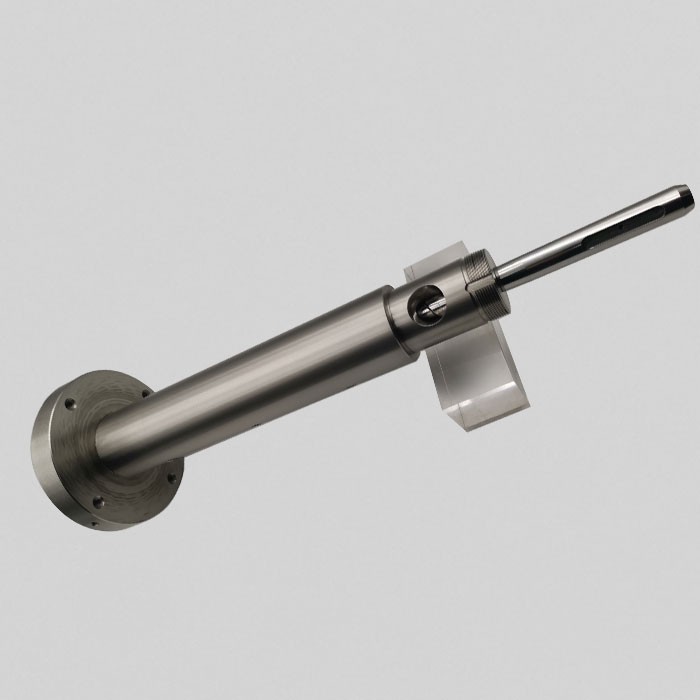
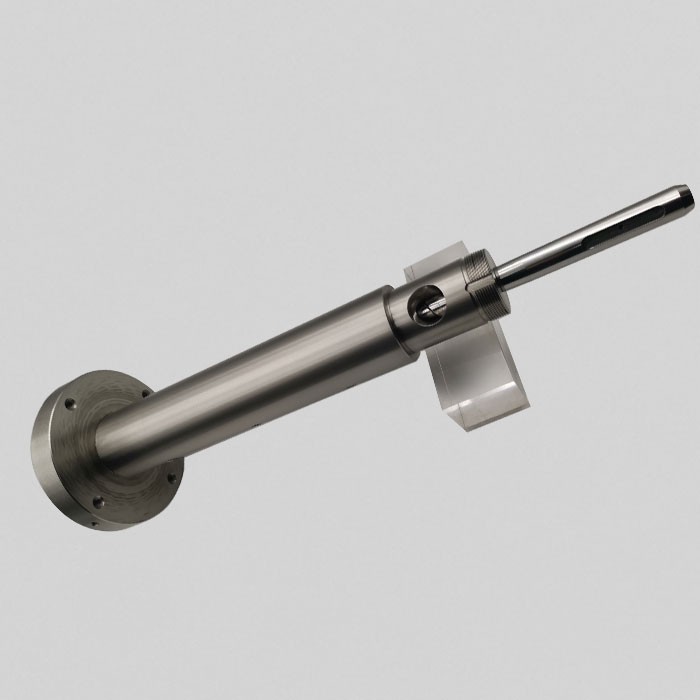
An extruder barrel is a crucial component in the extrusion process, which is widely used in industries such as plastics, rubber, and food processing. As a supplier of extruder barrels, I understand the importance of adhering to specific design principles to ensure the optimal performance, efficiency, and durability of these barrels. In this blog post, I will delve into the key design principles that guide the creation of high - quality extruder barrels.
Material Selection
The choice of material for an extruder barrel is of utmost importance. It must be able to withstand the harsh conditions of the extrusion process, including high temperatures, pressures, and abrasive materials. One of the commonly used materials is nitrided steel. Nitriding is a surface - hardening process that creates a hard, wear - resistant layer on the steel surface. Extruder Nitrided Steel Barrel offers excellent resistance to wear, corrosion, and galling, making it suitable for a wide range of extrusion applications.
Another option is sintered hard alloy. This material is composed of tungsten carbide particles bonded together with a metallic binder. Extruder Sintered Hard Alloy Barrel provides extremely high hardness and wear resistance, making it ideal for processing highly abrasive materials such as filled plastics or recycled polymers.
When selecting the material, factors such as the type of polymer being processed, the extrusion temperature, and the expected production volume should be considered. For example, if the extrusion process involves high - temperature polymers, a material with good thermal stability is required.
Geometric Design
The geometric design of the extruder barrel significantly affects the extrusion process. The inner diameter of the barrel is a critical parameter. It determines the volume of the polymer that can be processed at a given time. A larger inner diameter allows for higher throughput but may also require more power to drive the screw. On the other hand, a smaller inner diameter is suitable for applications where precise control of the extrusion process is needed.
The length - to - diameter (L/D) ratio of the barrel is also important. A higher L/D ratio provides more residence time for the polymer in the barrel, allowing for better mixing, melting, and homogenization. However, a very high L/D ratio may increase the pressure drop along the barrel, which can lead to higher energy consumption. Therefore, the L/D ratio should be optimized based on the specific requirements of the extrusion process.
The shape of the barrel's inner surface can also influence the extrusion performance. Some barrels have a smooth inner surface, which reduces friction and allows for easy flow of the polymer. Others may have a grooved or textured inner surface to enhance the mixing and conveying of the polymer.
Temperature Control
Temperature control is essential in the extrusion process to ensure proper melting, mixing, and shaping of the polymer. Extruder Barrel Temperature Control is typically achieved through a combination of heating and cooling systems.
Heating elements, such as electric heaters or oil - heated jackets, are used to raise the temperature of the barrel to the required melting point of the polymer. The heating system should be able to provide uniform heating along the length of the barrel to ensure consistent melting.
Cooling systems, such as water - cooled jackets or air - cooling fins, are used to remove excess heat from the barrel. This is necessary to prevent overheating of the polymer, which can lead to degradation and poor product quality. The cooling system should be able to respond quickly to changes in the extrusion process to maintain the desired temperature.
Temperature sensors are installed at various points along the barrel to monitor the temperature. These sensors provide feedback to the control system, which adjusts the heating and cooling systems accordingly to maintain a stable temperature profile.
Pressure Resistance
The extruder barrel must be able to withstand the high pressures generated during the extrusion process. The pressure in the barrel can reach several hundred bars, depending on the type of polymer, the screw design, and the extrusion speed.
The wall thickness of the barrel is designed to provide sufficient strength to resist the internal pressure. The thickness is calculated based on the maximum expected pressure, the material properties of the barrel, and the safety factor. In addition, the barrel's end caps and connections must be properly designed and sealed to prevent leakage under high pressure.
Wear Resistance
Wear is a major concern in extruder barrels, especially when processing abrasive materials. The inner surface of the barrel is constantly in contact with the polymer and any additives or fillers, which can cause abrasion over time.
As mentioned earlier, the choice of wear - resistant materials such as nitrided steel or sintered hard alloy can significantly improve the wear resistance of the barrel. In addition, surface treatments such as hard chrome plating or ceramic coating can be applied to the inner surface of the barrel to further enhance its wear resistance.
Regular maintenance and inspection of the barrel are also important to detect and address any signs of wear early. This may involve measuring the inner diameter of the barrel at regular intervals and replacing the barrel when the wear reaches a certain limit.
Compatibility with Screw Design
The extruder barrel and the screw are a complementary pair. The design of the barrel must be compatible with the screw design to ensure efficient and effective extrusion.
The screw's flight depth, pitch, and diameter should be coordinated with the inner diameter of the barrel. A proper fit between the screw and the barrel ensures good conveying, melting, and mixing of the polymer. If the clearance between the screw and the barrel is too large, there will be excessive leakage of the polymer, resulting in poor extrusion performance. If the clearance is too small, it can cause excessive friction and wear.
Ease of Maintenance
Ease of maintenance is an important consideration in the design of extruder barrels. The barrel should be designed in such a way that it can be easily disassembled, cleaned, and inspected.
Some barrels are designed with a split - barrel construction, which allows for easy access to the inner surface for cleaning and maintenance. In addition, the barrel's connections and fasteners should be easy to remove and reinstall.
Conclusion
In conclusion, the design of an extruder barrel involves a careful consideration of multiple factors, including material selection, geometric design, temperature control, pressure resistance, wear resistance, compatibility with screw design, and ease of maintenance. By adhering to these design principles, we can produce extruder barrels that offer high performance, efficiency, and durability.
If you are in the market for high - quality extruder barrels, we invite you to contact us for a detailed discussion of your specific requirements. Our team of experts is ready to provide you with customized solutions and support to ensure the success of your extrusion process.
References
- Tadmor, Z., & Gogos, C. G. (2006). Principles of Polymer Processing. Wiley - Interscience.
- Rauwendaal, C. (2014). Polymer Extrusion. Hanser Publishers.
- White, J. L., & Potente, H. (2003). Handbook of Polymer Extrusion Technology. Wiley - Interscience.