

Hey there! As a supplier of injection screw barrels, I've seen firsthand how corrosion can be a real headache for anyone in the injection molding game. Corrosion not only shortens the lifespan of your equipment but also affects the quality of your products. So, in this blog, I'm gonna share some tips on how to prevent corrosion in an injection screw barrel.
Understanding Corrosion in Injection Screw Barrels
Before we dive into the prevention methods, let's quickly understand what causes corrosion in injection screw barrels. Corrosion is basically the deterioration of a material due to chemical reactions with its environment. In the case of injection screw barrels, the main culprits are often the high - temperature polymers, additives, and cleaning agents used in the injection molding process.
For example, some polymers release corrosive gases when they're heated to high temperatures. These gases can react with the metal surface of the screw barrel, leading to rust and pitting. Also, certain additives in the polymers, like flame retardants and colorants, can be corrosive. And if you're not using the right cleaning agents, they can also cause damage to the barrel's surface. You can learn more about the role of barrels in injection molding here: Barrel in Injection Moulding.
Material Selection
One of the first steps in preventing corrosion is choosing the right material for your injection screw barrel. Different materials have different levels of corrosion resistance.
- Alloy Steel: This is a common choice for injection screw barrels. Alloy steels can be formulated with elements like chromium, nickel, and molybdenum, which enhance their corrosion resistance. For instance, a steel with a high chromium content forms a passive oxide layer on its surface, which acts as a barrier against corrosive agents.
- Bimetallic Barrels: These barrels have a lining made of a highly corrosion - resistant material, such as a special alloy, on the inner surface of a steel outer shell. The lining provides excellent protection against corrosion, while the outer shell gives the barrel the necessary strength. Check out more about injection screw barrels here: Injection Screw Barrel.
Surface Treatments
Surface treatments can significantly improve the corrosion resistance of an injection screw barrel.
- Hard Chrome Plating: This is a popular surface treatment. A thin layer of chrome is applied to the inner surface of the barrel. Chrome is highly resistant to corrosion and also provides a smooth surface, which reduces friction and wear. However, it's important to make sure the plating is done correctly, as any defects in the plating can lead to localized corrosion.
- Nitriding: Nitriding is a heat - treating process that diffuses nitrogen into the surface of the metal. This creates a hard, wear - resistant, and corrosion - resistant layer. Nitrided barrels are less likely to corrode, even when exposed to aggressive polymers and additives.
Proper Operating Conditions
Maintaining proper operating conditions is crucial for preventing corrosion in injection screw barrels.
- Temperature Control: High temperatures can accelerate the corrosion process. Make sure you're operating the injection molding machine within the recommended temperature range for the polymer you're using. Overheating can cause the polymer to break down and release corrosive by - products.
- Pressure Management: Excessive pressure can also damage the barrel's surface, making it more susceptible to corrosion. Monitor the pressure during the injection molding process and ensure it stays within the safe limits. You can find more details about injection machine barrels here: Injection Machine Barrel.
Regular Maintenance and Cleaning
Regular maintenance and cleaning are essential for keeping your injection screw barrel corrosion - free.
- Cleaning Procedures: After each production run, clean the barrel thoroughly. Use the right cleaning agents that are compatible with the barrel material and the polymer you're using. Avoid using abrasive cleaners that can scratch the barrel's surface.
- Inspection: Regularly inspect the barrel for signs of corrosion, such as rust, pitting, or discoloration. If you notice any issues, address them immediately. You can use non - destructive testing methods, like ultrasonic testing, to detect internal corrosion.
Polymer Selection
The choice of polymer can also have a big impact on the corrosion of your injection screw barrel.
- Know Your Polymers: Some polymers are more corrosive than others. For example, PVC (polyvinyl chloride) can release hydrochloric acid when heated, which is highly corrosive. If you need to use a corrosive polymer, make sure your barrel is made of a material that can withstand it.
- Avoid Contamination: Make sure the polymers you're using are clean and free from contaminants. Contaminants can react with the barrel's surface and cause corrosion.
Storage
Proper storage of your injection screw barrel when it's not in use is also important for preventing corrosion.
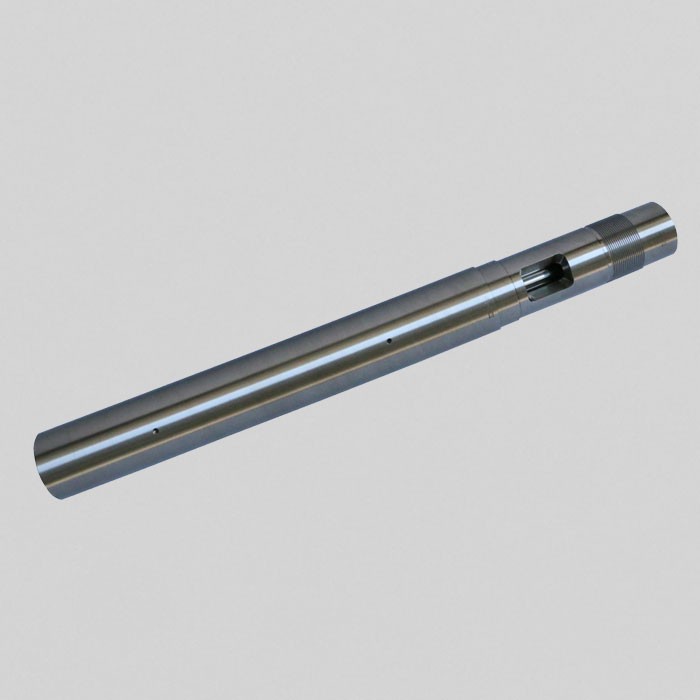

- Dry Environment: Store the barrel in a dry place. Moisture can cause rusting, especially if the barrel's surface is already damaged. You can use desiccants to absorb any moisture in the storage area.
- Coating: Apply a protective coating to the barrel before storage. This can be a thin layer of oil or a special anti - corrosion coating.
Conclusion
Preventing corrosion in an injection screw barrel requires a combination of the right material selection, surface treatments, proper operating conditions, regular maintenance, and careful polymer selection. By following these tips, you can extend the lifespan of your barrel, improve the quality of your products, and save money in the long run.
If you're in the market for a high - quality, corrosion - resistant injection screw barrel, or if you have any questions about preventing corrosion, don't hesitate to reach out. We're here to help you make the best choice for your injection molding needs.
References
- ASM Handbook, Volume 13A: Corrosion: Fundamentals, Testing, and Protection.
- Injection Molding Handbook by O. Osswald and T. Turng.
- Polymer Processing: Principles and Design by R. T. Bonner.