

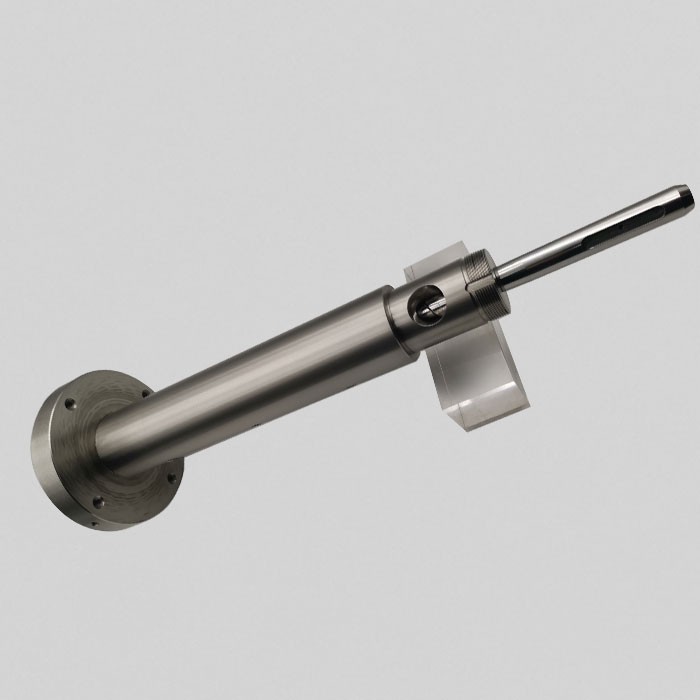
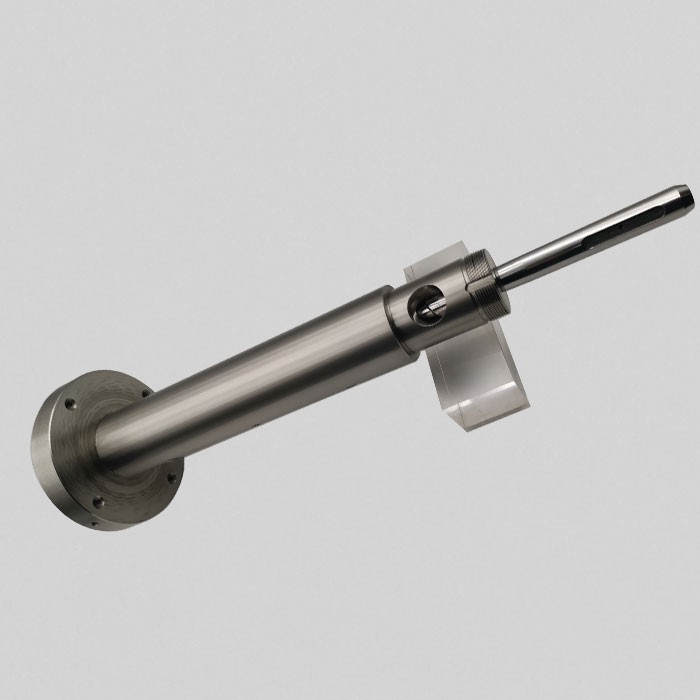
Installing an extrusion screw barrel is a critical process that requires careful planning, precision, and adherence to safety protocols. As a leading supplier of extrusion screw barrels, we understand the importance of a proper installation to ensure optimal performance and longevity of your equipment. In this blog post, we will guide you through the step-by-step process of installing an extrusion screw barrel, highlighting key considerations and best practices along the way.
Step 1: Preparation
Before you begin the installation process, it is essential to gather all the necessary tools and materials. This includes a torque wrench, Allen keys, a dial indicator, a cleaning solvent, and a lint-free cloth. Additionally, ensure that the installation area is clean, well-lit, and free of any obstructions.
Inspect the extrusion screw barrel and all its components for any signs of damage or wear. Check the dimensions of the screw and barrel to ensure they are compatible with your extruder. If any issues are detected, contact our technical support team for assistance.
Step 2: Remove the Old Screw Barrel
If you are replacing an existing screw barrel, start by shutting down the extruder and allowing it to cool completely. Disconnect all power sources and remove any safety guards or covers. Use the appropriate tools to loosen and remove the bolts securing the barrel to the extruder frame.
Carefully lift the old screw barrel out of the extruder and place it on a clean work surface. Inspect the barrel for any signs of damage or wear, and clean it thoroughly using a cleaning solvent and a lint-free cloth.
Step 3: Prepare the New Screw Barrel
Before installing the new screw barrel, it is important to prepare it properly. Start by cleaning the barrel and screw thoroughly using a cleaning solvent and a lint-free cloth. This will remove any dirt, debris, or contaminants that could affect the performance of the extruder.
Next, apply a thin layer of high-temperature lubricant to the screw and barrel surfaces. This will help to reduce friction and wear during operation, and ensure smooth and efficient extrusion.
Step 4: Install the New Screw Barrel
Carefully lower the new screw barrel into the extruder, aligning it with the mounting holes on the extruder frame. Use the appropriate tools to insert and tighten the bolts securing the barrel to the frame. Be sure to use a torque wrench to ensure that the bolts are tightened to the manufacturer's specifications.
Once the barrel is securely installed, insert the screw into the barrel. Make sure that the screw is properly aligned with the barrel, and that the keyways on the screw and barrel are properly engaged. Use a dial indicator to check the alignment of the screw and barrel, and make any necessary adjustments.
Step 5: Connect the Feed Hopper and Heating Elements
After the screw barrel is installed, connect the feed hopper to the extruder. Make sure that the hopper is properly aligned with the barrel, and that the feeder mechanism is functioning correctly.
Next, connect the heating elements to the barrel. Follow the manufacturer's instructions carefully to ensure that the heating elements are properly installed and connected. Be sure to use the appropriate wiring and connectors, and to follow all safety protocols when working with electrical components.
Step 6: Test the Extruder
Once the installation is complete, it is important to test the extruder to ensure that it is functioning properly. Start by turning on the power to the extruder and allowing it to heat up to the recommended operating temperature.
Once the extruder has reached the operating temperature, start the feeder mechanism and slowly introduce the raw material into the hopper. Monitor the extruder closely for any signs of abnormal operation, such as excessive vibration, noise, or temperature fluctuations.
If any issues are detected during the test run, stop the extruder immediately and consult the manufacturer's troubleshooting guide or contact our technical support team for assistance.
Key Considerations and Best Practices
- Safety First: Always follow all safety protocols when working with extrusion equipment. Wear appropriate personal protective equipment, such as gloves, safety glasses, and hearing protection, and ensure that the installation area is well-ventilated.
- Proper Alignment: Proper alignment of the screw and barrel is critical for optimal performance and longevity of the extruder. Use a dial indicator to check the alignment of the screw and barrel, and make any necessary adjustments.
- Lubrication: Applying a thin layer of high-temperature lubricant to the screw and barrel surfaces will help to reduce friction and wear during operation, and ensure smooth and efficient extrusion.
- Torque Specifications: Use a torque wrench to ensure that the bolts securing the barrel to the extruder frame are tightened to the manufacturer's specifications. Over-tightening or under-tightening the bolts can cause damage to the barrel or the extruder frame.
- Regular Maintenance: Regular maintenance of the extrusion equipment is essential for optimal performance and longevity. Follow the manufacturer's recommended maintenance schedule, and perform regular inspections and cleaning of the screw barrel and other components.
Conclusion
Installing an extrusion screw barrel is a complex process that requires careful planning, precision, and adherence to safety protocols. By following the step-by-step guide outlined in this blog post, and by adhering to the key considerations and best practices, you can ensure a successful installation and optimal performance of your extrusion equipment.
At [Your Company Name], we are a leading supplier of high-quality extrusion screw barrels and other extrusion equipment. Our products are designed to meet the highest standards of quality and performance, and are backed by our commitment to customer satisfaction.
If you have any questions or need further assistance with the installation of an extrusion screw barrel, or if you are interested in purchasing a new screw barrel or other extrusion equipment, please contact us today. Our experienced sales team will be happy to assist you with your needs, and to provide you with a free quote.
References
- [Manufacturer's Installation Manual]
- [Extrusion Technology Handbook]
- [Plastics Extrusion: Principles and Operations]
We hope this blog post has been helpful in guiding you through the process of installing an extrusion screw barrel. If you have any further questions or need more information, please do not hesitate to contact us. We are here to help you make the most of your extrusion equipment and to ensure your success in the industry. Whether you are in the market for a Single Screw Extruder Screw Barrel, an Extruder Nitrided Steel Barrel, or an Extruder Sintered Hard Alloy Barrel, we have the products and expertise to meet your needs. Reach out to us today to start a conversation about your extrusion requirements and explore how our solutions can enhance your production processes.