

In the realm of injection moulding, the barrel plays a pivotal role. As a trusted supplier of Barrel in Injection Moulding, I understand the significance of a barrel's wear resistance. A high - wear - resistant barrel ensures consistent performance, reduces downtime, and ultimately saves costs for manufacturers. In this blog, I will share some effective strategies to enhance the wear resistance of barrels in injection moulding.
Understanding the Wear Mechanisms in Injection Moulding Barrels
Before delving into the solutions, it is crucial to understand how wear occurs in injection moulding barrels. There are primarily three types of wear: abrasive wear, adhesive wear, and corrosive wear.
Abrasive Wear
Abrasive wear is the most common type in injection moulding barrels. It happens when hard particles in the plastic resin, such as glass fibers or mineral fillers, rub against the inner surface of the barrel. These particles act like tiny cutting tools, gradually removing material from the barrel wall. Over time, this leads to a decrease in the barrel's inner diameter, which can affect the plasticizing and injection processes.
Adhesive Wear
Adhesive wear occurs when two surfaces in contact stick together and then separate, causing material transfer. In injection moulding, the molten plastic can adhere to the barrel surface, and as the screw rotates, it can tear off small pieces of the barrel material. This type of wear is more likely to occur at high temperatures and pressures.
Corrosive Wear
Corrosive wear is caused by the chemical reaction between the plastic resin and the barrel material. Some plastics, especially those containing chlorine or other reactive elements, can corrode the barrel surface. This not only weakens the barrel but also contaminates the plastic, affecting the quality of the final product.
Material Selection
One of the most fundamental ways to improve the wear resistance of an injection moulding barrel is through proper material selection.
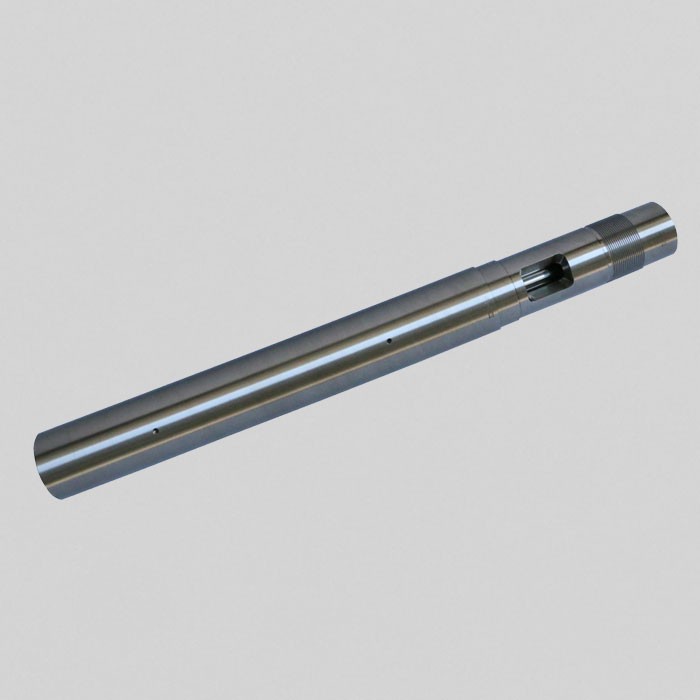
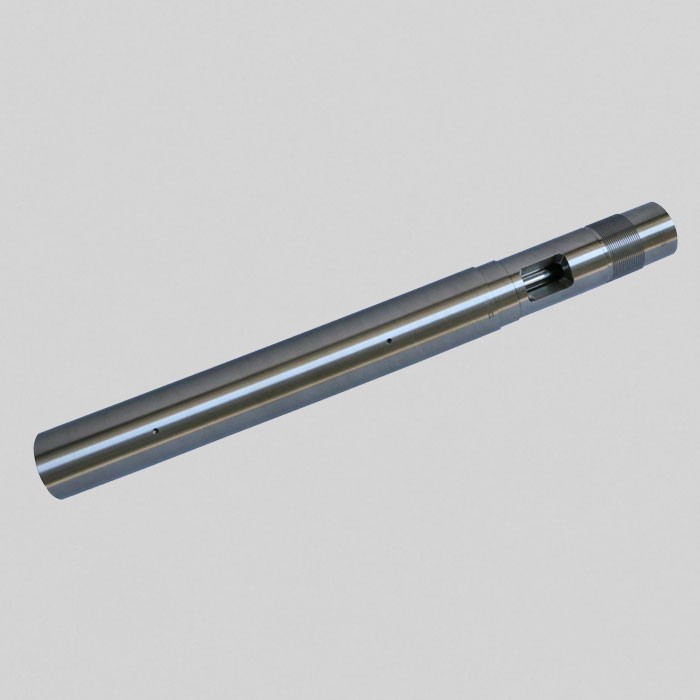
High - Quality Steel Alloys
High - quality steel alloys are commonly used in barrel manufacturing. For example, nitrided steel barrels offer good wear resistance. Nitriding is a surface - hardening process that creates a hard nitride layer on the barrel surface. This layer can withstand abrasive and adhesive wear to a certain extent. However, for applications with highly abrasive plastics, more advanced materials may be required.
Sintered Hard Alloy Barrels
Sintered hard alloy barrels are an excellent choice for improving wear resistance. These barrels are made by sintering hard carbide particles together, resulting in a material with extremely high hardness and wear resistance. They can handle plastics with high - content glass fibers or other abrasive fillers without significant wear. The high - strength matrix of sintered hard alloy barrels can also resist adhesive and corrosive wear, making them suitable for a wide range of injection moulding applications.
Surface Treatments
In addition to material selection, surface treatments can significantly enhance the wear resistance of injection moulding barrels.
Coating Technologies
- Chrome Plating: Chrome plating is a widely used surface treatment for injection moulding barrels. The chrome layer provides a smooth and hard surface that reduces friction and wear. It also has good corrosion resistance, protecting the barrel from chemical attack. However, chrome plating has some limitations. The plating thickness is relatively thin, and it may wear off over time, especially in highly abrasive applications.
- Ceramic Coatings: Ceramic coatings are another option for improving wear resistance. Ceramic materials have high hardness and excellent chemical stability. They can form a protective layer on the barrel surface, preventing abrasive particles from directly contacting the barrel material. Ceramic coatings can also reduce friction, which helps to improve the plasticizing efficiency and reduce energy consumption.
Heat Treatment
Heat treatment processes, such as quenching and tempering, can improve the mechanical properties of the barrel material. Quenching can increase the hardness of the steel, while tempering can relieve internal stresses and improve toughness. By carefully controlling the heat treatment parameters, the barrel can achieve a good balance between hardness and toughness, enhancing its wear resistance.
Design Optimization
The design of the injection moulding barrel also has a significant impact on its wear resistance.
Barrel Geometry
The inner diameter and length of the barrel should be carefully designed according to the specific injection moulding requirements. A proper barrel geometry can ensure uniform plasticizing and reduce the stress on the barrel wall. For example, a longer barrel can provide more time for the plastic to melt and mix, reducing the shear stress on the barrel surface.
Screw Design
The screw is in direct contact with the barrel, and its design can affect the wear of the barrel. A well - designed screw can distribute the plastic evenly, reducing the local wear on the barrel. For example, a screw with a proper compression ratio can ensure efficient plasticizing without excessive shear stress on the barrel wall. Additionally, the surface finish of the screw should be smooth to reduce friction and wear.
Operational Considerations
Proper operation and maintenance are essential for improving the wear resistance of injection moulding barrels.
Plastic Selection
Choosing the right plastic resin is crucial. Some plastics are more abrasive or corrosive than others. By selecting plastics with lower abrasive properties or using additives to reduce the abrasiveness of the plastic, the wear on the barrel can be reduced. For example, using lubricants in the plastic can reduce friction and wear.
Temperature and Pressure Control
Maintaining proper temperature and pressure during the injection moulding process is important. High temperatures can increase the chemical reactivity of the plastic and the barrel material, leading to corrosive wear. Excessive pressure can also cause increased wear on the barrel wall. By carefully controlling the temperature and pressure, the wear rate of the barrel can be minimized.
Regular Maintenance
Regular maintenance of the injection moulding barrel is necessary to ensure its long - term performance. This includes cleaning the barrel regularly to remove any residual plastic or contaminants. Inspecting the barrel for signs of wear and damage, such as scratches or corrosion, and replacing worn parts in a timely manner can prevent further damage and extend the barrel's service life.
Conclusion
Improving the wear resistance of an injection moulding barrel is a comprehensive task that involves material selection, surface treatments, design optimization, and proper operation and maintenance. As a supplier of Injection Screw Barrel, I am committed to providing high - quality barrels with excellent wear resistance. By implementing the strategies mentioned above, manufacturers can significantly reduce the wear of their injection moulding barrels, improve the quality of their products, and increase their production efficiency.
If you are interested in our high - wear - resistant barrels for injection moulding, please feel free to contact us for more information and to discuss your specific requirements. We are ready to provide you with the best solutions and support.
References
- Brown, T. (2018). Injection Molding Handbook. Hanser Publishers.
- Smith, J. (2020). Materials for Injection Molding Components. Journal of Plastics Technology, 15(2), 34 - 42.
- Johnson, R. (2019). Surface Treatments for Improving Wear Resistance in Injection Molding. Proceedings of the International Conference on Manufacturing Technology, 23 - 27.