

Determining the shot weight for an injection machine barrel is a critical aspect of the injection molding process. As a supplier of injection machine barrels, I understand the importance of getting this right to ensure optimal performance, quality, and efficiency in your molding operations. In this blog post, I'll share some key insights and methods to help you accurately determine the shot weight for your injection machine barrel.
Understanding Shot Weight
Shot weight refers to the amount of plastic material that is injected into the mold cavity during each cycle of the injection molding process. It is typically measured in grams or ounces. The correct shot weight is crucial because it directly affects the quality of the molded parts. If the shot weight is too low, the part may be incomplete or have short shots. On the other hand, if the shot weight is too high, it can lead to excessive flash, longer cycle times, and increased material waste.
Factors Affecting Shot Weight
Several factors influence the shot weight for an injection machine barrel. Understanding these factors is essential for making accurate calculations and adjustments.
1. Part Design
The size, shape, and complexity of the molded part are primary factors in determining the shot weight. Larger parts generally require more material, while complex geometries may need additional plastic to fill all the cavities properly. For example, a simple plastic cup will have a different shot weight compared to a multi - cavity, intricate electronic housing.
2. Material Properties
Different plastic materials have different densities. For instance, polypropylene has a lower density compared to polycarbonate. The density of the material directly impacts the amount of material needed to fill the mold cavity. Additionally, the flow properties of the plastic, such as its melt flow index (MFI), can also affect the shot weight. Materials with a higher MFI flow more easily and may require less pressure and potentially a different shot weight compared to materials with a lower MFI.

3. Machine Specifications
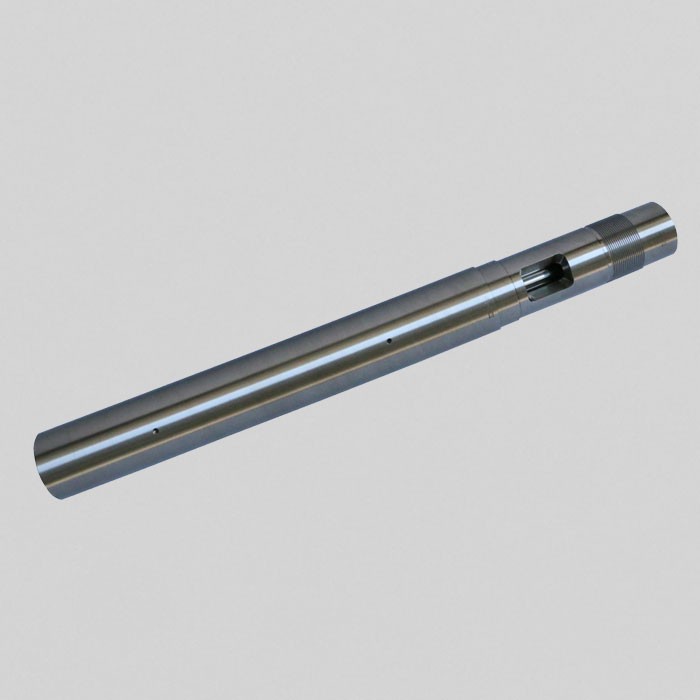
The capabilities of the injection machine itself play a significant role. The size of the injection machine barrel, the diameter of the screw, and the injection pressure and speed all affect how much material can be injected. A larger barrel can hold more material, allowing for larger shot weights. The screw design also influences the plasticizing and injection process, which in turn affects the shot weight.
Methods to Determine Shot Weight
1. Theoretical Calculation
The theoretical method involves calculating the volume of the mold cavity and then converting it to weight based on the density of the plastic material. Here are the steps:
- Calculate the volume of the mold cavity: This can be done using geometric formulas for simple shapes. For complex parts, 3D modeling software can be used to accurately determine the volume. For example, if the part is a rectangular prism, the volume (V) is calculated as V = length × width × height.
- Determine the density of the plastic material: You can find the density of the plastic from the material supplier's data sheet. The density (ρ) is usually given in grams per cubic centimeter (g/cm³).
- Calculate the shot weight (W): The shot weight is calculated using the formula W = V × ρ.
Let's say you have a mold cavity with a volume of 100 cm³ and the plastic material has a density of 1.2 g/cm³. The shot weight would be W = 100 cm³ × 1.2 g/cm³ = 120 grams.
2. Experimental Method
The experimental method is often more accurate, especially for complex parts or when dealing with new materials. Here's how it works:
- Initial trial shots: Start by setting an estimated shot weight based on theoretical calculations or previous experience. Make a few trial shots and inspect the molded parts. If the parts are incomplete, increase the shot weight slightly. If there is excessive flash, decrease the shot weight.
- Fine - tuning: Make small adjustments to the shot weight after each set of trial shots. Keep track of the changes and the corresponding part quality. Continue this process until you achieve the desired part quality.
Importance of Accurate Shot Weight Determination
Accurately determining the shot weight offers several benefits:
1. Quality Assurance
A correct shot weight ensures that the molded parts have the right dimensions, strength, and appearance. This reduces the number of defective parts, which in turn improves the overall quality of your production.
2. Cost Savings
By using the right amount of material, you can minimize material waste. This not only reduces material costs but also has a positive impact on the environment. Additionally, optimizing the shot weight can lead to shorter cycle times, which increases production efficiency and reduces energy consumption.
3. Machine Performance
Proper shot weight determination helps to prevent overloading or under - loading of the injection machine. This extends the lifespan of the machine and reduces the risk of breakdowns and maintenance issues.
Our Injection Machine Barrels
As a supplier of injection machine barrels, we offer a wide range of high - quality products to meet your specific needs. Our Bimetallic Barrel for Injection Molding Machine is designed to provide excellent wear resistance and corrosion protection, ensuring long - term performance. Our Injection Screw Barrel is engineered for efficient plasticizing and injection, allowing for precise control of the shot weight. And our Plastic Injection Screw Barrel is suitable for a variety of plastic materials, providing versatility in your molding operations.
Contact Us for Purchase and Consultation
If you are looking for the right injection machine barrel for your shot weight requirements or need further assistance in determining the shot weight, we are here to help. Our team of experts can provide you with in - depth advice and guidance based on your specific application. Whether you are a small - scale manufacturer or a large - scale production facility, we have the solutions to meet your needs. Contact us today to start a discussion about your injection molding requirements and how our products can enhance your production process.
References
- "Injection Molding Handbook" by O. Olabisi
- "Plastics Processing: Modeling and Simulation" by R. A. Pearson
- Technical data sheets from major plastic material suppliers