

Controlling the shot size of the barrel in injection moulding is a critical aspect that directly impacts the quality and efficiency of the manufacturing process. As a supplier of Barrel in Injection Moulding, I've witnessed firsthand the challenges and importance of this task. In this blog, I'll share some insights on how to effectively control the shot size of the barrel in injection moulding.
Understanding Shot Size in Injection Moulding
Before delving into the control methods, it's essential to understand what shot size means. The shot size refers to the volume of plastic material that is injected into the mould cavity during each cycle of the injection moulding process. It is typically measured in cubic centimeters (cc) or grams (g). The accurate control of shot size is crucial for ensuring consistent part quality, minimizing waste, and optimizing production efficiency.
Factors Affecting Shot Size
Several factors can influence the shot size in injection moulding. Understanding these factors is the first step towards effective control.
1. Barrel Design and Specifications
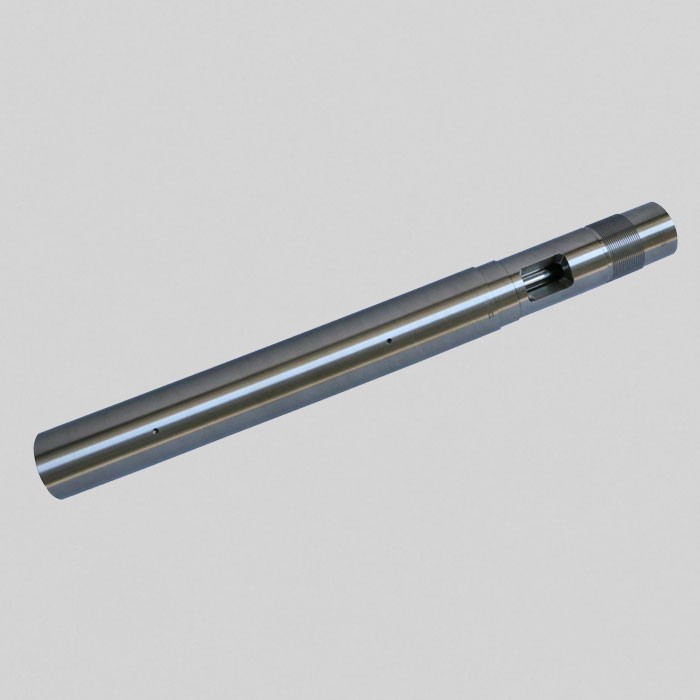
The design and specifications of the Injection Machine Barrel play a significant role in determining the shot size. The inner diameter, length, and screw design of the barrel all affect the amount of plastic material that can be melted and delivered to the mould. For example, a larger inner diameter barrel can hold more plastic, potentially allowing for a larger shot size. However, it's important to note that the screw design must also be optimized to ensure proper melting and delivery of the plastic.
2. Plastic Material Properties
Different plastic materials have different melting points, viscosities, and flow characteristics. These properties can significantly impact the shot size. For instance, a high - viscosity plastic may require more pressure and energy to flow through the barrel and into the mould, which can affect the amount of material that can be injected in each cycle. Additionally, the moisture content of the plastic material can also influence its flow behavior and, consequently, the shot size.
3. Machine Settings
The settings of the injection moulding machine, such as the injection pressure, injection speed, and screw rotation speed, have a direct impact on the shot size. Higher injection pressures and speeds can force more plastic material into the mould, increasing the shot size. However, excessive pressure and speed can also cause issues such as flash, short shots, or part deformation. The screw rotation speed affects the melting rate of the plastic in the barrel. A faster rotation speed can increase the melting rate, potentially allowing for a larger shot size, but it may also lead to uneven melting and degradation of the plastic.
4. Mould Design
The design of the mould, including the size and shape of the mould cavity, the runner system, and the gate design, can affect the shot size. A larger mould cavity requires a larger shot size to fill completely. The runner system and gate design determine the flow path and resistance of the plastic material as it enters the mould. A well - designed runner system and gate can ensure smooth and uniform filling of the mould, which is essential for accurate shot size control.
Methods for Controlling Shot Size
1. Barrel Selection and Customization
As a Barrel in Injection Moulding supplier, we offer a wide range of barrels with different specifications to meet the diverse needs of our customers. When selecting a barrel, it's important to consider the required shot size, the type of plastic material, and the production volume. In some cases, custom - designed barrels may be necessary to achieve precise shot size control. For example, if a specific shot size is required for a particular application, we can design a barrel with the appropriate inner diameter and length to ensure accurate dosing of the plastic material.
2. Material Management
Proper material management is crucial for consistent shot size control. This includes storing the plastic material in a dry environment to prevent moisture absorption, pre - drying the material if necessary, and ensuring a consistent feed rate. Using a gravimetric feeder can help to accurately measure and control the amount of plastic material being fed into the barrel, which is essential for maintaining a consistent shot size.
3. Machine Parameter Optimization
Optimizing the machine settings is one of the most effective ways to control the shot size. This involves adjusting the injection pressure, injection speed, screw rotation speed, and other parameters based on the specific requirements of the part and the plastic material. For example, during the initial setup of the injection moulding process, it's important to conduct a series of trial runs to determine the optimal settings for achieving the desired shot size. Once the optimal settings are determined, they should be carefully monitored and adjusted as needed to account for any changes in the process conditions, such as variations in the plastic material properties or machine wear.
4. Mould Design and Optimization
A well - designed mould can greatly facilitate shot size control. The mould cavity should be accurately sized to match the desired part dimensions, and the runner system and gate design should be optimized to ensure uniform filling of the mould. For example, using a hot runner system can help to maintain a consistent temperature in the runner, which can improve the flow of the plastic material and reduce the risk of variations in the shot size. Additionally, the gate size and location should be carefully selected to ensure proper filling of the mould without causing issues such as jetting or weld lines.
5. Process Monitoring and Control
Implementing a comprehensive process monitoring and control system is essential for ensuring accurate shot size control. This can include using sensors to measure the injection pressure, temperature, and screw position during the injection moulding process. By continuously monitoring these parameters, any deviations from the optimal settings can be detected early, allowing for timely adjustments to be made. For example, if the injection pressure drops below a certain threshold, it may indicate a blockage in the barrel or runner system, which can affect the shot size. In such cases, the machine can be stopped immediately, and the issue can be resolved before it leads to defective parts.

Benefits of Accurate Shot Size Control
Accurately controlling the shot size in injection moulding offers several benefits, including:
1. Improved Part Quality
Consistent shot size ensures that each part produced has the same dimensions and properties, resulting in higher - quality parts. This is particularly important for applications where tight tolerances are required, such as in the automotive and medical industries.
2. Reduced Waste
By accurately controlling the shot size, the amount of excess plastic material used in each cycle can be minimized, reducing waste and saving costs. This is not only beneficial from an economic perspective but also from an environmental standpoint.
3. Increased Production Efficiency
Accurate shot size control allows for a more efficient injection moulding process. With consistent shot sizes, the cycle time can be optimized, and the production rate can be increased. This can lead to higher productivity and lower production costs.
Conclusion
Controlling the shot size of the barrel in injection moulding is a complex but essential task. By understanding the factors that affect shot size, implementing appropriate control methods, and leveraging the expertise of a reliable Barrel in Injection Moulding supplier, manufacturers can achieve accurate shot size control, improve part quality, reduce waste, and increase production efficiency.
If you're interested in learning more about our Plastic Injection Screw Barrel products or need assistance with shot size control in your injection moulding process, please feel free to contact us. We're committed to providing high - quality products and professional solutions to meet your specific needs.
References
- Throne, J. L. (1996). Injection Molding Handbook. Marcel Dekker.
- Rosato, D. V., & Rosato, D. V. (2000). Injection Molding Handbook. Kluwer Academic Publishers.
- Beaumont, J. P. (2003). Runner and Gating Design Handbook. Hanser Gardner Publications.