

Calibrating a plastic injection screw barrel is a critical process that ensures the optimal performance and longevity of your injection molding equipment. As a leading supplier of Plastic Injection Screw Barrel, we understand the importance of proper calibration in achieving high-quality plastic parts production. In this blog post, we will guide you through the step-by-step process of calibrating a plastic injection screw barrel, highlighting key considerations and best practices along the way.
Understanding the Importance of Calibration
Before delving into the calibration process, it's essential to understand why calibration is necessary. A well-calibrated screw barrel ensures consistent plastic melting, mixing, and injection, resulting in uniform part quality, reduced scrap rates, and improved production efficiency. Over time, wear and tear, thermal expansion, and other factors can cause the screw barrel to deviate from its optimal operating parameters, leading to issues such as inconsistent part dimensions, poor surface finish, and material degradation. Regular calibration helps to identify and correct these issues, ensuring that your injection molding machine operates at peak performance.
Pre-Calibration Preparation
Safety First
Before starting any calibration procedure, it's crucial to prioritize safety. Ensure that the injection molding machine is powered off, and all electrical and hydraulic connections are disconnected. Wear appropriate personal protective equipment (PPE), such as gloves and safety glasses, to prevent injuries.
Gather Necessary Tools and Equipment
To calibrate a plastic injection screw barrel, you will need the following tools and equipment:
- Calibration gauges: These include micrometers, calipers, and dial indicators for measuring the dimensions of the screw and barrel.
- Cleaning supplies: Use a suitable solvent and brushes to clean the screw and barrel thoroughly.
- Lubricants: Apply a high-quality lubricant to the screw and barrel to reduce friction and wear during operation.
- Torque wrench: This is used to tighten the screw and barrel components to the manufacturer's recommended torque specifications.
Inspect the Screw and Barrel
Before calibration, inspect the screw and barrel for signs of wear, damage, or contamination. Look for excessive scoring, corrosion, or uneven wear patterns on the screw flights and barrel bore. If any damage is detected, it may be necessary to replace the affected components before proceeding with calibration.
Step-by-Step Calibration Process
Step 1: Remove the Screw from the Barrel
Using the appropriate tools, carefully remove the screw from the barrel. This may involve loosening the screw retainer bolts and pulling the screw out of the barrel. Take care not to damage the screw or barrel during this process.
Step 2: Clean the Screw and Barrel
Thoroughly clean the screw and barrel using a suitable solvent and brushes. Remove any plastic residue, debris, or contaminants from the screw flights and barrel bore. Pay special attention to the areas where the screw and barrel come into contact, as these areas are most prone to wear and contamination.
Step 3: Measure the Screw and Barrel Dimensions
Using the calibration gauges, measure the key dimensions of the screw and barrel, including the diameter, length, and pitch of the screw flights, as well as the inner diameter and length of the barrel bore. Compare these measurements to the manufacturer's specifications to determine if any adjustments are necessary.
Step 4: Check the Screw and Barrel Alignment
Inspect the alignment of the screw and barrel to ensure that they are properly centered and parallel. Misalignment can cause uneven wear, reduced plastic melting efficiency, and other issues. Use a dial indicator to check the runout of the screw and barrel, and make any necessary adjustments to correct the alignment.
Step 5: Adjust the Screw and Barrel Clearance
The clearance between the screw and barrel is a critical parameter that affects plastic melting, mixing, and injection. If the clearance is too large, it can result in poor plastic melting and mixing, while a clearance that is too small can cause excessive friction and wear. Use the calibration gauges to measure the clearance between the screw flights and the barrel bore, and adjust the screw position or barrel liner as needed to achieve the recommended clearance.
Step 6: Reinstall the Screw in the Barrel
Once the calibration adjustments have been made, carefully reinstall the screw in the barrel. Ensure that the screw is properly aligned and seated in the barrel, and tighten the screw retainer bolts to the manufacturer's recommended torque specifications.
Step 7: Test the Calibration
After reinstalling the screw in the barrel, perform a test run of the injection molding machine to verify the calibration. Monitor the machine's performance, including the plastic melting temperature, injection pressure, and part quality. If any issues are detected, repeat the calibration process until the desired results are achieved.
Key Considerations and Best Practices
Follow Manufacturer's Recommendations
Always refer to the manufacturer's operating manual and calibration guidelines for your specific injection molding machine and screw barrel. The manufacturer's recommendations provide the most accurate and reliable information on how to calibrate your equipment properly.
Use High-Quality Components
Invest in high-quality screw barrels and replacement parts to ensure optimal performance and longevity. Inferior quality components may wear out more quickly, leading to frequent calibration and maintenance issues.
Regular Maintenance and Inspection
Implement a regular maintenance and inspection schedule for your injection molding machine and screw barrel. This includes cleaning, lubrication, and calibration at regular intervals to prevent wear and damage and ensure consistent performance.
Training and Education
Provide training and education to your operators on the proper calibration and maintenance procedures for your injection molding equipment. Well-trained operators are more likely to perform calibration tasks accurately and efficiently, reducing the risk of equipment damage and production downtime.
Conclusion
Calibrating a plastic injection screw barrel is a complex but essential process that ensures the optimal performance and longevity of your injection molding equipment. By following the step-by-step calibration process outlined in this blog post and adhering to the key considerations and best practices, you can achieve consistent plastic melting, mixing, and injection, resulting in high-quality plastic parts production.

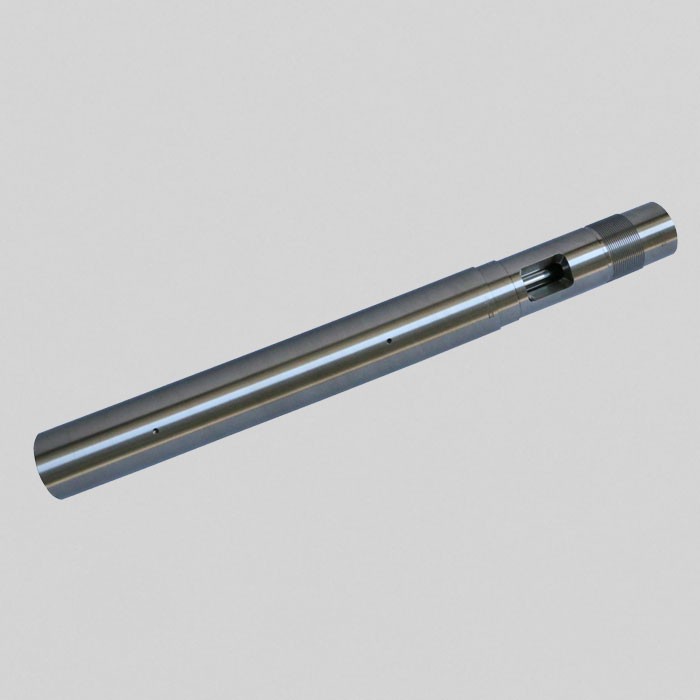
As a trusted supplier of Plastic Injection Screw Barrel, Screw Barrel Injection Molding Machine, and Bimetallic Barrel for Injection Molding Machine, we are committed to providing our customers with the highest quality products and technical support. If you have any questions or need assistance with calibrating your plastic injection screw barrel, please do not hesitate to contact us. We look forward to helping you optimize your injection molding process and achieve your production goals.
References
- "Injection Molding Handbook" by O. Olszewski
- Manufacturer's operating manuals and calibration guidelines for specific injection molding machines and screw barrels.