

How to calculate the plasticizing capacity of an injection molding barrel?
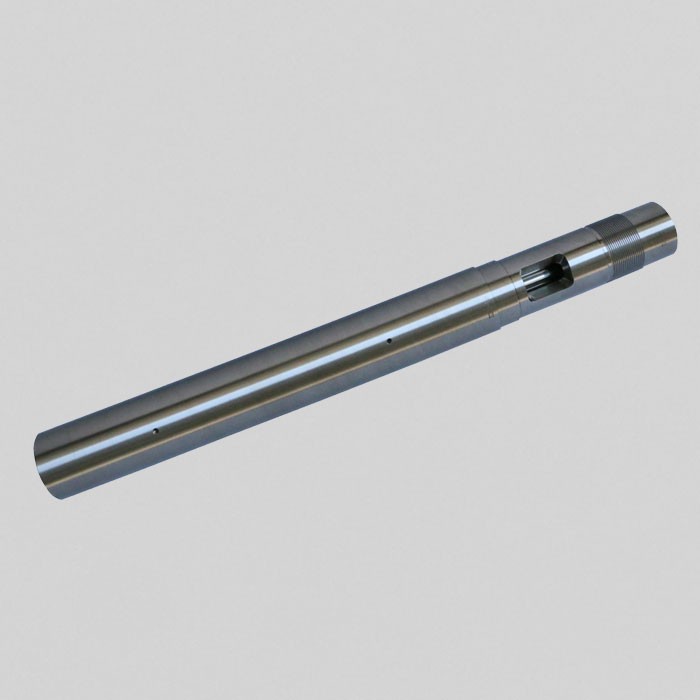
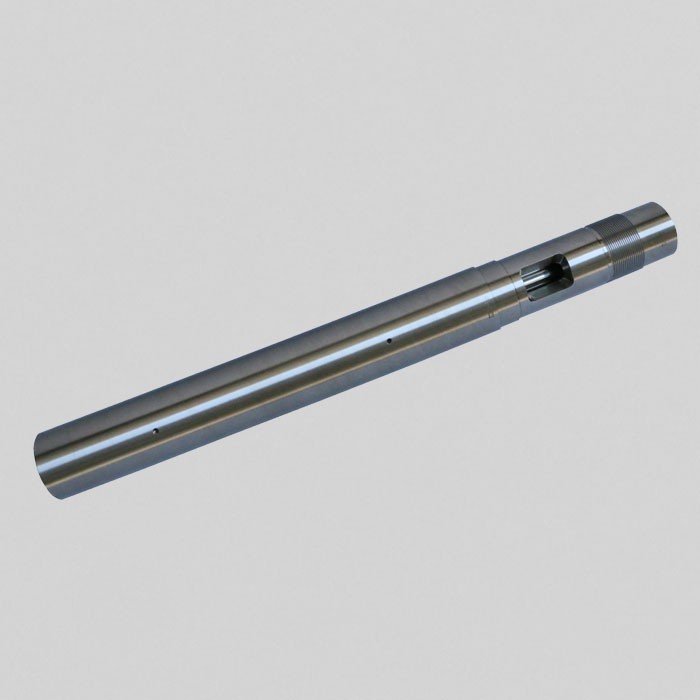
As a seasoned supplier of injection molding barrels, I've witnessed firsthand the pivotal role that accurate plasticizing capacity calculation plays in the injection molding process. The plasticizing capacity of an injection molding barrel determines how much plastic material can be melted and prepared for injection into a mold within a specific time frame. This parameter is crucial for optimizing production efficiency, ensuring product quality, and minimizing costs. In this blog post, I'll share some insights on how to calculate the plasticizing capacity of an injection molding barrel.
Understanding the Basics of Plasticizing Capacity
Before diving into the calculation methods, it's essential to understand what plasticizing capacity represents. Plasticizing capacity is typically measured in kilograms per hour (kg/h) or pounds per hour (lb/h). It indicates the maximum amount of plastic resin that the barrel and screw assembly can melt and convey to the front of the barrel for injection within an hour. The plasticizing capacity depends on several factors, including the barrel diameter, screw design, screw speed, plastic material properties, and the temperature profile of the barrel.
Factors Affecting Plasticizing Capacity
- Barrel Diameter: The diameter of the injection molding barrel is one of the primary factors influencing plasticizing capacity. Generally, larger barrel diameters can accommodate more plastic material, resulting in higher plasticizing capacities. However, increasing the barrel diameter also requires more energy to heat and melt the plastic, which can impact the overall efficiency of the process.
- Screw Design: The design of the screw plays a crucial role in plasticizing capacity. Different screw geometries, such as the compression ratio, flight depth, and pitch, can affect how effectively the screw conveys, melts, and homogenizes the plastic material. A well-designed screw can enhance plasticizing efficiency and increase the plasticizing capacity.
- Screw Speed: The rotational speed of the screw directly affects the plasticizing capacity. Higher screw speeds can increase the rate at which the plastic material is conveyed and melted, leading to higher plasticizing capacities. However, excessive screw speeds can also cause shear heating, which may degrade the plastic material and affect product quality.
- Plastic Material Properties: Different plastic materials have different melting points, viscosities, and thermal conductivities, which can significantly impact the plasticizing capacity. For example, materials with higher melting points require more energy to melt, while materials with high viscosities may be more difficult to convey and homogenize.
- Temperature Profile: The temperature profile of the barrel is critical for ensuring proper plasticizing. Maintaining the correct temperature at each zone of the barrel helps to melt the plastic material uniformly and prevent overheating or underheating. An optimized temperature profile can improve plasticizing efficiency and increase the plasticizing capacity.
Calculation Methods
There are several methods for calculating the plasticizing capacity of an injection molding barrel. One of the most common methods is based on the volumetric approach, which involves calculating the volume of plastic material that can be conveyed by the screw per revolution and then multiplying it by the screw speed and the density of the plastic material.
The formula for calculating the volumetric plasticizing capacity ($Q_v$) is as follows:
$Q_v = 60 \times \frac{\pi}{4} \times D^2 \times h \times n \times \rho$
Where:
- $Q_v$ is the volumetric plasticizing capacity (cm³/h)
- $D$ is the screw diameter (cm)
- $h$ is the flight depth of the screw (cm)
- $n$ is the screw speed (rpm)
- $\rho$ is the density of the plastic material (g/cm³)
To convert the volumetric plasticizing capacity to mass plasticizing capacity ($Q_m$), the following formula can be used:
$Q_m = \frac{Q_v \times \rho}{1000}$
Where $Q_m$ is the mass plasticizing capacity (kg/h).
It's important to note that these formulas provide an approximate estimate of the plasticizing capacity and may need to be adjusted based on the specific characteristics of the injection molding machine and the plastic material being used.
Practical Considerations
When calculating the plasticizing capacity, it's essential to consider the practical limitations of the injection molding machine. For example, the maximum screw speed and torque of the machine may limit the achievable plasticizing capacity. Additionally, the plasticizing capacity may be affected by factors such as the wear and tear of the barrel and screw, the presence of any blockages or restrictions in the feed system, and the efficiency of the heating and cooling systems.
To ensure accurate calculation and optimal performance, it's recommended to conduct test runs with the actual plastic material and injection molding machine. By measuring the actual plasticizing capacity under different operating conditions, you can fine-tune the process parameters and optimize the plasticizing efficiency.
Importance of Accurate Plasticizing Capacity Calculation
Accurately calculating the plasticizing capacity of an injection molding barrel is crucial for several reasons:
- Production Planning: Knowing the plasticizing capacity allows you to plan your production schedule effectively. You can determine how many parts can be produced per hour and estimate the total production time required for a specific order.
- Cost Optimization: By optimizing the plasticizing capacity, you can reduce energy consumption, minimize material waste, and improve overall production efficiency. This can lead to significant cost savings in the long run.
- Product Quality: Proper plasticizing is essential for ensuring consistent product quality. An accurately calculated plasticizing capacity helps to maintain the correct temperature and pressure during the injection molding process, resulting in high-quality products with fewer defects.
Conclusion
Calculating the plasticizing capacity of an injection molding barrel is a complex process that requires considering multiple factors. By understanding the factors affecting plasticizing capacity and using appropriate calculation methods, you can optimize the injection molding process and achieve higher production efficiency and product quality.
As a supplier of injection molding barrels, we offer a wide range of high-quality products, including Bimetallic Barrel for Injection Molding Machine, Screw Barrel Injection Molding Machine, and Sintered Hard Alloy Barrel for Injection Molding Machine. Our barrels are designed to provide excellent plasticizing performance and reliability, helping you to achieve optimal results in your injection molding operations.
If you're interested in learning more about our injection molding barrels or need assistance with calculating the plasticizing capacity for your specific application, please feel free to contact us. Our team of experts is ready to provide you with professional advice and support.
References
- Rosato, D. V., & Rosato, D. V. (2004). Injection Molding Handbook. Hanser Gardner Publications.
- Beaumont, J. P. (2007). Successful Injection Molding: Getting It Right the First Time. Hanser Gardner Publications.
- Osswald, T. A., & Turng, L. -S. (2007). Injection Molding Handbook. Hanser Gardner Publications.