

Hey there! As a supplier of injection screw barrels, I've seen firsthand how crucial it is to have proper backflow prevention in these systems. In this blog post, I'm gonna share some tips on how to adjust the backflow prevention in an injection screw barrel.
First off, let's understand what backflow prevention is and why it's so important. Backflow in an injection screw barrel occurs when the molten plastic flows in the opposite direction of the intended flow path. This can lead to a whole bunch of problems, like inconsistent part quality, reduced production efficiency, and even damage to the screw barrel itself. So, getting the backflow prevention right is key to ensuring a smooth and successful injection molding process.
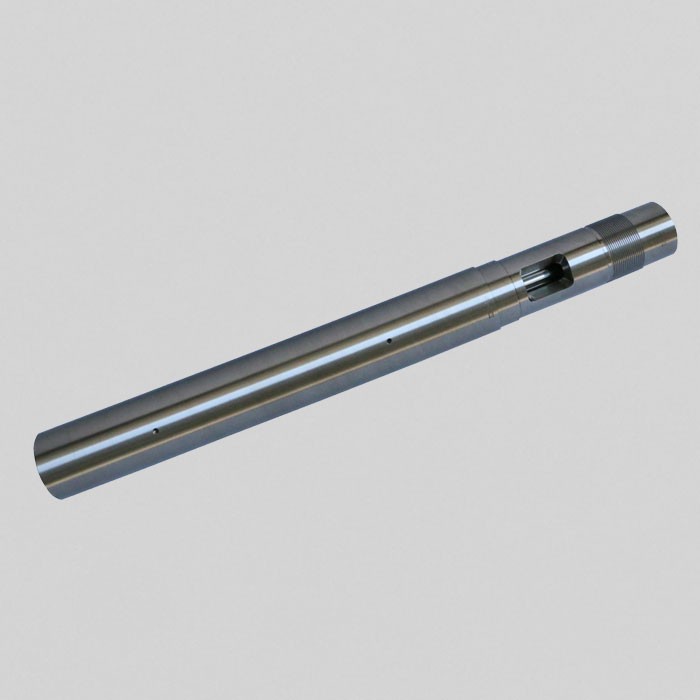

Understanding the Basics of Backflow Prevention
Before we dive into the adjustment process, it's important to know the main components that contribute to backflow prevention in an injection screw barrel. The two primary elements are the screw tip and the check ring.
The screw tip is the end part of the screw that comes into direct contact with the molten plastic. It's designed to control the flow of plastic into the mold cavity. A well - designed screw tip can significantly reduce backflow.
The check ring, on the other hand, is a ring - shaped component that sits around the screw. It acts as a valve, allowing the plastic to flow forward during the injection phase and preventing it from flowing backward during the holding and cooling phases.
Step 1: Inspect the Screw Tip
The first step in adjusting backflow prevention is to inspect the screw tip. Over time, the screw tip can wear out due to the high - pressure and high - temperature environment of the injection molding process. A worn - out screw tip may not seal properly, leading to backflow.
Check for any signs of damage, such as cracks, chips, or excessive wear. If you notice any of these issues, it's time to replace the screw tip. You can find a wide range of high - quality screw tips for your Injection Screw Barrel on our website.
When installing a new screw tip, make sure it's properly tightened. An improperly tightened screw tip can also cause backflow. Use the appropriate tools to ensure a secure fit.
Step 2: Examine the Check Ring
Next, take a close look at the check ring. Just like the screw tip, the check ring can also wear out. Check for any signs of wear on the surface of the check ring and the mating surface on the screw. If the wear is significant, the check ring may not be able to form a proper seal, allowing backflow to occur.
If the check ring is worn, replace it with a new one. When installing the new check ring, ensure that it moves freely along the screw. A stuck check ring won't be able to function correctly and will lead to backflow. You can find suitable check rings for your Plastic Injection Screw Barrel in our product catalog.
Step 3: Adjust the Screw Speed and Back Pressure
The screw speed and back pressure also play a crucial role in backflow prevention. The screw speed determines how fast the plastic is pushed forward, while the back pressure controls the resistance against the forward movement of the screw.
If the screw speed is too high, the plastic may not have enough time to properly fill the mold cavity, and backflow can occur. On the other hand, if the back pressure is too low, there won't be enough resistance to prevent the plastic from flowing backward.
Start by setting the screw speed and back pressure to the recommended values for your specific injection molding process. Then, make small adjustments based on the actual performance of the machine. Monitor the part quality and the amount of backflow. If you notice excessive backflow, try reducing the screw speed and increasing the back pressure slightly.
Step 4: Check the Barrel Temperature
The temperature of the barrel can also affect backflow prevention. If the barrel temperature is too high, the plastic will be more fluid, which can increase the likelihood of backflow. Conversely, if the temperature is too low, the plastic may not flow properly, leading to other issues.
Make sure the barrel temperature is set within the recommended range for the type of plastic you're using. Use a reliable temperature control system to maintain a consistent temperature throughout the injection molding process.
Step 5: Evaluate the Nozzle
The nozzle is another important component that can impact backflow. A clogged or damaged nozzle can disrupt the flow of plastic and cause backflow. Check the nozzle for any blockages or signs of damage.
If the nozzle is clogged, clean it using the appropriate cleaning tools. If it's damaged, replace it with a new one. A properly functioning nozzle ensures a smooth and consistent flow of plastic into the mold cavity, reducing the chances of backflow.
Step 6: Regular Maintenance
Regular maintenance is essential for keeping the backflow prevention system in good working condition. Clean the screw barrel regularly to remove any plastic residues or contaminants. Lubricate the moving parts, such as the check ring, to ensure smooth operation.
Inspect the entire injection molding system periodically to catch any potential issues early. By following a regular maintenance schedule, you can prevent backflow problems and extend the lifespan of your Screw Barrel Injection Molding Machine.
Conclusion
Adjusting the backflow prevention in an injection screw barrel is a multi - step process that requires careful inspection, adjustment, and maintenance. By following the steps outlined in this blog post, you can significantly reduce backflow and improve the overall performance of your injection molding process.
If you're looking for high - quality injection screw barrels or any related components, we're here to help. We offer a wide range of products that are designed to meet the needs of various injection molding applications. Whether you need a new screw tip, a check ring, or a complete screw barrel assembly, we've got you covered.
Don't hesitate to reach out to us if you have any questions or if you're interested in discussing your specific requirements. We're always happy to assist you in finding the best solutions for your injection molding needs. Let's work together to make your injection molding process more efficient and successful!
References
- "Injection Molding Handbook" by O. Olsson
- "Plastics Processing Technology" by W. Michaeli