

As a seasoned supplier of injection molding barrels, I've encountered numerous inquiries regarding the optimal cleaning frequency for these crucial components. The answer isn't one-size-fits-all; it hinges on a multitude of factors that must be carefully considered to ensure the longevity and efficiency of your injection molding operations.
Understanding the Importance of Barrel Cleaning
Before delving into the cleaning frequency, it's essential to grasp why regular barrel cleaning is so vital. Injection molding barrels are subjected to high temperatures, pressures, and abrasive materials during the molding process. Over time, residues from the plastic materials, additives, and colorants can accumulate inside the barrel. This buildup can lead to a range of issues, including:

- Quality Degradation: Residual materials can contaminate subsequent batches of plastic, resulting in defects such as streaks, bubbles, or inconsistent color in the molded parts.
- Reduced Efficiency: The accumulation of deposits can restrict the flow of plastic through the barrel, increasing cycle times and energy consumption.
- Mechanical Damage: Abrasive residues can cause wear and tear on the barrel's inner surface and the screw, leading to premature failure and costly repairs.
Factors Influencing Cleaning Frequency
Several factors play a role in determining how often an injection molding barrel should be cleaned. Let's take a closer look at each of these factors:
- Plastic Material: Different plastics have varying properties, such as melting points, viscosity, and chemical reactivity. Some plastics, like polycarbonate and nylon, are more prone to degradation and charring, which can lead to faster buildup inside the barrel. In contrast, materials like polyethylene and polypropylene are generally more forgiving. If you're using high-temperature or abrasive plastics, you may need to clean the barrel more frequently.
- Color Changes: Changing the color of the plastic being molded is a common occurrence in injection molding. However, this process can leave behind significant amounts of residual colorant in the barrel. To prevent color contamination in subsequent batches, it's crucial to thoroughly clean the barrel between color changes. The more frequent the color changes, the more often the barrel will need to be cleaned.
- Production Volume: High-volume production runs can generate a substantial amount of plastic residue in a short period. If your injection molding machine is operating continuously or at a high production rate, you may need to clean the barrel more frequently to maintain optimal performance.
- Additives and Fillers: Many plastics are formulated with additives and fillers to enhance their properties. These additives can include flame retardants, antioxidants, and glass fibers. Some additives and fillers can be abrasive or prone to sticking, which can increase the rate of buildup inside the barrel. If you're using plastics with high levels of additives or fillers, you'll likely need to clean the barrel more often.
- Machine Shut-Down: Extended periods of machine shut-down can also affect the cleaning frequency. When the machine is not in use, the plastic inside the barrel can cool and solidify, making it more difficult to remove. To prevent this, it's recommended to clean the barrel before shutting down the machine for an extended period.
General Guidelines for Cleaning Frequency
Based on the factors mentioned above, here are some general guidelines for cleaning an injection molding barrel:
- Daily or Every Few Shifts: If you're running high-temperature plastics, making frequent color changes, or using plastics with high levels of additives or fillers, it's advisable to clean the barrel at the end of each day or every few shifts. This will help prevent the buildup of residues and ensure consistent part quality.
- Weekly or Bi-Weekly: For normal production runs using standard plastics with minimal additives, a weekly or bi-weekly cleaning schedule may be sufficient. This will help maintain the barrel's performance and prevent long-term damage.
- Before and After Long Shut-Downs: As mentioned earlier, it's important to clean the barrel before shutting down the machine for an extended period. This will prevent the plastic from solidifying inside the barrel. Additionally, it's a good idea to clean the barrel after a long shut-down to remove any debris or contaminants that may have accumulated during the idle period.
Cleaning Methods
There are several methods for cleaning an injection molding barrel, each with its own advantages and disadvantages. The most common cleaning methods include:
- Mechanical Cleaning: This method involves using brushes, scrapers, or other tools to physically remove the residues from the barrel's inner surface. Mechanical cleaning is effective for removing stubborn deposits but can be time-consuming and may cause damage to the barrel if not done carefully.
- Chemical Cleaning: Chemical cleaning involves using solvents or cleaning agents to dissolve the residues inside the barrel. This method is often faster and more effective than mechanical cleaning but requires careful handling of the chemicals to ensure safety.
- Thermal Cleaning: Thermal cleaning involves heating the barrel to a high temperature to burn off the residues. This method is effective for removing charred or baked-on deposits but can be energy-intensive and may require specialized equipment.
Our Injection Molding Barrels
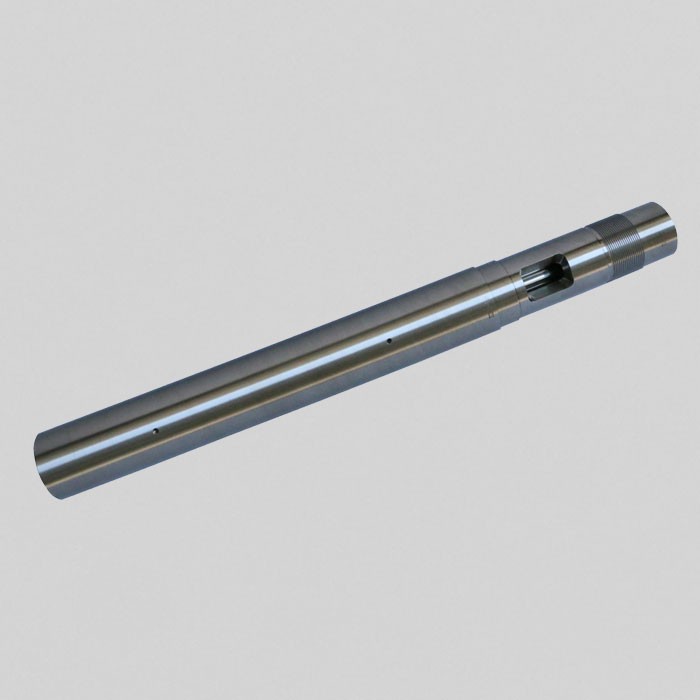
At our company, we offer a wide range of high-quality injection molding barrels to meet the diverse needs of our customers. Our Nitrided Steel Barrel for Injection Molding Machine is known for its excellent wear resistance and corrosion resistance, making it suitable for a variety of applications. Our Bimetallic Barrel for Injection Molding Machine combines the benefits of two different materials to provide superior performance and durability. And our Injection Screw Barrel is designed to ensure efficient plasticization and injection, resulting in high-quality molded parts.
Conclusion
Determining how often to clean an injection molding barrel is a critical decision that can have a significant impact on the performance and longevity of your injection molding machine. By considering the factors discussed in this blog post and following the general guidelines for cleaning frequency, you can ensure that your barrel remains in optimal condition and your production runs smoothly.
If you have any questions about our injection molding barrels or need assistance with determining the best cleaning schedule for your specific application, please don't hesitate to contact us. We're here to help you make the most of your injection molding operations.
References
- Throne, J. L. (1996). Plastics Process Engineering. Hanser Publishers.
- Rosato, D. V., & Rosato, D. V. (2000). Injection Molding Handbook. Kluwer Academic Publishers.
- Osswald, T. A., & Turng, L.-S. (2007). Injection Molding Handbook. Hanser Publishers.