

As a supplier of HVOF coating screws, I've often been asked about the applicability of HVOF coating in the furniture industry. High-Velocity Oxygen Fuel (HVOF) coating is a thermal spray process that can significantly enhance the properties of screws. In this blog, I'll delve into the potential use of HVOF coating on screws in the furniture industry, exploring its advantages, limitations, and practical considerations.
Understanding HVOF Coating
HVOF coating involves spraying a fine powder of the coating material onto a substrate at high velocities using a mixture of fuel and oxygen. This process results in a dense, well-bonded coating with excellent wear resistance, corrosion resistance, and hardness. The high velocity of the particles ensures that they deform and bond tightly to the surface, creating a coating that can withstand harsh environments and mechanical stresses.
Advantages of HVOF Coating on Furniture Screws
Wear Resistance
Furniture screws are often subjected to repeated tightening and loosening, as well as friction during assembly and disassembly. HVOF coating can significantly improve the wear resistance of screws, reducing the likelihood of thread damage and extending their service life. This is particularly important for furniture that is frequently moved or adjusted, such as modular furniture or office chairs.
Corrosion Resistance
Furniture may be exposed to various environmental conditions, including humidity, moisture, and chemicals. HVOF coatings can provide a protective barrier against corrosion, preventing rust and degradation of the screws. This is especially beneficial for outdoor furniture or furniture used in damp environments, such as bathrooms or kitchens.
Improved Aesthetics
In addition to its functional benefits, HVOF coating can also enhance the appearance of furniture screws. The coating can be customized to achieve a variety of finishes, including smooth, textured, or colored surfaces. This allows furniture manufacturers to create unique and visually appealing products that stand out in the market.
Enhanced Strength
The high-density nature of HVOF coatings can increase the strength of screws, making them more resistant to deformation and breakage. This is particularly important for heavy-duty furniture or furniture that is subjected to high loads, such as beds, sofas, or cabinets.
Limitations of HVOF Coating on Furniture Screws
Cost
One of the main limitations of HVOF coating is its relatively high cost compared to traditional screw finishing methods. The equipment and materials required for HVOF coating are expensive, and the process itself is labor-intensive. This can make HVOF-coated screws more expensive than uncoated or conventionally coated screws, which may limit their use in some applications.
Thickness and Tolerance
HVOF coatings typically have a thickness of several microns to several hundred microns, which can affect the dimensional tolerance of screws. This may require additional machining or finishing operations to ensure that the screws meet the required specifications. In some cases, the coating thickness may also need to be carefully controlled to avoid interference with the mating parts.
Compatibility with Mating Materials
The compatibility of HVOF coatings with the mating materials used in furniture assembly is another important consideration. Some coatings may react with certain materials, causing adhesion problems or chemical degradation. It is essential to ensure that the coating material is compatible with the mating parts to ensure a reliable and long-lasting connection.
Practical Considerations for Using HVOF Coating on Furniture Screws
Application Method
The application method of HVOF coating can vary depending on the specific requirements of the furniture industry. There are several types of HVOF systems available, including gas-fueled and liquid-fueled systems. The choice of system depends on factors such as the coating material, the substrate material, and the desired coating properties.
Coating Material Selection
The selection of the coating material is crucial for achieving the desired performance and properties of the coated screws. There are various coating materials available for HVOF coating, including metals, ceramics, and composites. The choice of coating material depends on factors such as the application requirements, the environmental conditions, and the cost.
Quality Control
To ensure the quality and consistency of HVOF-coated screws, it is essential to implement a rigorous quality control program. This includes inspecting the raw materials, monitoring the coating process parameters, and testing the coated screws for performance and quality. Quality control measures can help to identify and address any issues early in the production process, ensuring that the final products meet the required standards.
Comparing HVOF Coating with Other Coating Methods
Pvd Coating Screw
Physical Vapor Deposition (PVD) is another popular coating method used in the screw industry. PVD coating involves depositing a thin film of coating material onto the substrate using a physical vapor deposition process. PVD coatings are known for their high hardness, wear resistance, and corrosion resistance. However, PVD coatings are typically thinner than HVOF coatings and may not provide the same level of protection in harsh environments. You can learn more about Pvd Coating Screw.
Pta Welding Screw
Plasma Transferred Arc (PTA) welding is a process that involves melting a filler metal onto the substrate using a plasma arc. PTA welding can be used to apply a thick, hard coating to screws, providing excellent wear resistance and corrosion resistance. However, PTA welding is a relatively expensive and time-consuming process, and it may not be suitable for all applications. You can find more information about Pta Welding Screw.
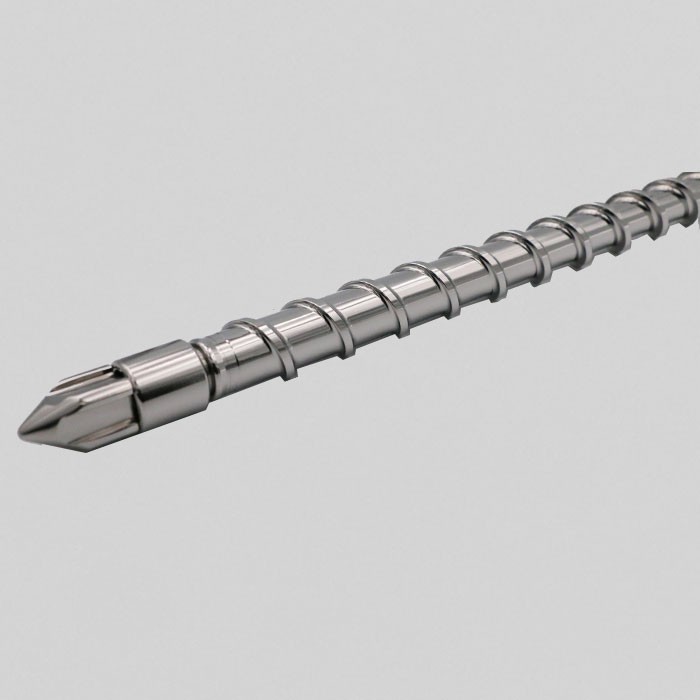
Fully Hardened Alloy Screw for Injection Molding Machine
Fully hardened alloy screws are another option for improving the performance of screws in the furniture industry. These screws are made from high-strength alloy materials and are heat-treated to achieve maximum hardness and strength. Fully hardened alloy screws are known for their excellent wear resistance and corrosion resistance, but they may be more expensive than HVOF-coated screws. You can explore Fully Hardened Alloy Screw for Injection Molding Machine.

Conclusion
In conclusion, HVOF coating can be a viable option for improving the performance and durability of screws in the furniture industry. The wear resistance, corrosion resistance, improved aesthetics, and enhanced strength provided by HVOF coating can offer significant benefits for furniture manufacturers. However, the relatively high cost, thickness and tolerance issues, and compatibility with mating materials need to be carefully considered.
When compared to other coating methods such as PVD coating, PTA welding, and fully hardened alloy screws, HVOF coating has its own unique advantages and limitations. Furniture manufacturers should evaluate their specific requirements, including the application environment, the expected service life of the furniture, and the budget, to determine the most suitable coating method for their screws.
If you are interested in exploring the potential of HVOF coating for your furniture screws, I encourage you to reach out for further discussion. Our team of experts can provide you with detailed information, samples, and technical support to help you make an informed decision. Let's work together to enhance the quality and performance of your furniture products.
References
- Smith, J. (2018). Thermal Spray Coatings: Principles and Applications. Elsevier.
- Jones, A. (2019). Coating Technologies for Metal Components. CRC Press.
- Brown, R. (2020). Advances in Surface Engineering for Wear and Corrosion Resistance. Springer.