

In the dynamic realm of plastic extrusion, the pursuit of innovation and efficiency drives continuous advancements in technology. One area that has garnered significant attention is multi - layer extrusion, a process that enables the production of complex plastic products with enhanced properties. As an extruder bimetallic barrel supplier, I am often asked whether our bimetallic barrels can be used in multi - layer extrusion. In this blog post, I will delve into this question, exploring the technical aspects, benefits, and considerations of using extruder bimetallic barrels in multi - layer extrusion.
Understanding Multi - layer Extrusion
Multi - layer extrusion is a sophisticated process that involves the simultaneous extrusion of two or more different polymers through a single die to create a multi - layer structure. This technique allows manufacturers to combine the unique properties of different materials, such as strength, flexibility, barrier properties, and aesthetics, into a single product. Common applications of multi - layer extrusion include packaging films, pipes, profiles, and automotive components.
The process typically requires multiple extruders, each responsible for melting and conveying a specific polymer. These polymers are then merged in a feedblock or a multi - manifold die, where they are arranged into the desired layer configuration before being extruded through the die opening. The success of multi - layer extrusion depends on several factors, including the compatibility of the polymers, the control of melt flow rates, and the uniformity of layer thickness.
The Role of Extruder Barrels in Extrusion
Extruder barrels play a crucial role in the extrusion process. They provide a controlled environment for melting, mixing, and conveying the polymer material from the hopper to the die. The design and material of the barrel significantly impact the performance and efficiency of the extruder.
Extruder Nitrided Steel Barrels are commonly used in extrusion. Nitriding is a surface treatment process that enhances the hardness and wear resistance of the barrel. However, for more demanding applications, Bimetallic Barrels are often preferred. Bimetallic barrels consist of a steel outer shell and a lining made of a wear - and corrosion - resistant alloy. This combination provides excellent mechanical strength and superior performance in terms of wear and corrosion resistance.
Can an Extruder Bimetallic Barrel be Used in Multi - layer Extrusion?
The answer is a resounding yes. Extruder bimetallic barrels are well - suited for multi - layer extrusion for several reasons:
1. Wear and Corrosion Resistance
In multi - layer extrusion, different polymers may have varying chemical compositions and processing requirements. Some polymers, such as PVC, can be highly corrosive, while others may contain abrasive fillers. Bimetallic barrels with their wear - and corrosion - resistant linings can withstand the harsh conditions associated with processing these polymers. This ensures a longer service life of the barrel and reduces the risk of contamination due to barrel wear.
2. Temperature Control
Precise temperature control is essential in multi - layer extrusion to maintain the proper viscosity and flow properties of each polymer layer. Bimetallic barrels can be designed with efficient heating and cooling systems. The steel outer shell provides good thermal conductivity, allowing for rapid heat transfer, while the alloy lining can withstand high temperatures without deforming. This enables better control of the melt temperature and ensures consistent product quality.
3. Compatibility with Different Polymers
Bimetallic barrels are compatible with a wide range of polymers, making them suitable for multi - layer extrusion where multiple polymers are used. The alloy lining can be selected based on the specific polymers being processed to ensure optimal performance. For example, a nickel - based alloy lining may be used for processing polymers with high melting points, while a chromium - based alloy may be more suitable for corrosive polymers.

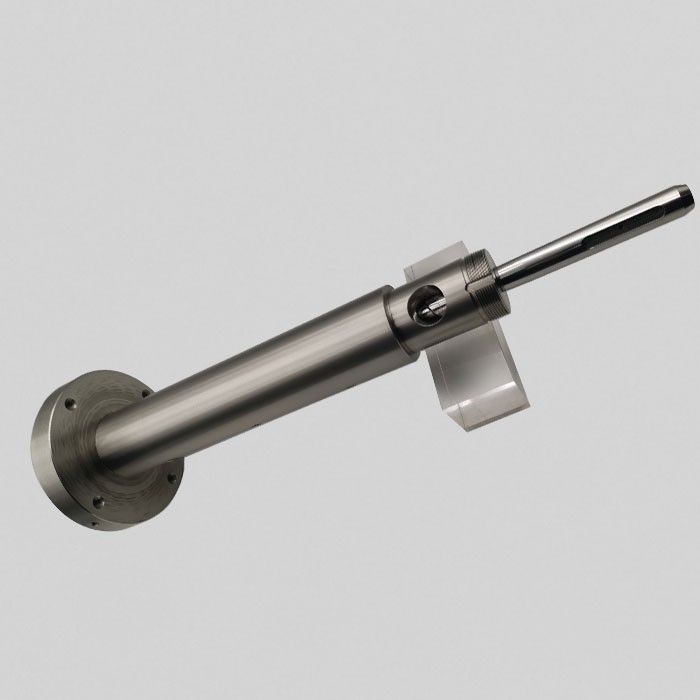
4. Uniform Melt Conveyance
In multi - layer extrusion, it is crucial to ensure uniform melt conveyance of each polymer layer. Bimetallic barrels, with their smooth inner surfaces and precise dimensions, provide excellent melt flow characteristics. This helps to maintain consistent layer thickness and quality throughout the extrusion process.
Benefits of Using Bimetallic Barrels in Multi - layer Extrusion
1. Improved Product Quality
The use of bimetallic barrels can lead to improved product quality in multi - layer extrusion. The wear and corrosion resistance of the barrels ensure that the polymer melt remains clean and free from contaminants, resulting in a more consistent and defect - free product. Additionally, the precise temperature control and uniform melt conveyance provided by bimetallic barrels contribute to better layer adhesion and uniformity.
2. Increased Productivity
Bimetallic barrels have a longer service life compared to traditional barrels. This reduces the frequency of barrel replacement, minimizing downtime and increasing overall productivity. Moreover, the efficient heat transfer properties of bimetallic barrels allow for faster heating and cooling cycles, enabling higher extrusion speeds.
3. Cost - effectiveness
Although bimetallic barrels may have a higher initial cost compared to nitrided steel barrels, their longer service life and improved performance result in lower long - term costs. The reduced maintenance and replacement costs, combined with the increased productivity, make bimetallic barrels a cost - effective solution for multi - layer extrusion.
Considerations when Using Bimetallic Barrels in Multi - layer Extrusion
While bimetallic barrels offer many advantages in multi - layer extrusion, there are some considerations to keep in mind:
1. Polymer Compatibility
It is essential to select the appropriate alloy lining for the bimetallic barrel based on the polymers being processed. Incompatible polymers and barrel linings can lead to chemical reactions, which may affect the quality of the extruded product.
2. Barrel Design
The design of the bimetallic barrel, including the length - to - diameter ratio, the screw configuration, and the heating and cooling systems, should be optimized for multi - layer extrusion. A well - designed barrel can improve melt mixing, reduce shear stress, and ensure uniform layer distribution.
3. Process Control
Multi - layer extrusion is a complex process that requires precise process control. The temperature, pressure, and flow rate of each polymer layer need to be carefully monitored and adjusted. Bimetallic barrels should be integrated into a comprehensive process control system to ensure consistent product quality.
Conclusion
In conclusion, extruder bimetallic barrels are an excellent choice for multi - layer extrusion. Their wear and corrosion resistance, temperature control capabilities, compatibility with different polymers, and uniform melt conveyance properties make them well - suited for this demanding process. By using bimetallic barrels, manufacturers can achieve improved product quality, increased productivity, and cost - effectiveness.
If you are considering using extruder bimetallic barrels in your multi - layer extrusion process, I encourage you to reach out to us for more information. We are a leading Extrusion Barrel supplier with extensive experience in providing high - quality bimetallic barrels for various extrusion applications. Our team of experts can help you select the right barrel design and alloy lining for your specific needs. Contact us today to start a discussion about your extrusion requirements and explore how our bimetallic barrels can enhance your multi - layer extrusion process.
References
- Throne, J. L. (1996). Plastics extrusion technology. Hanser Publishers.
- Rauwendaal, C. (2014). Polymer extrusion. Hanser Gardner Publications.
- Michaeli, W., & Hopmann, C. (Eds.). (2012). Extrusion Dies: Design and Engineering Computations. Carl Hanser Verlag.